
Beautiful Plants For Your Interior
Beautiful Plants For Your Interior
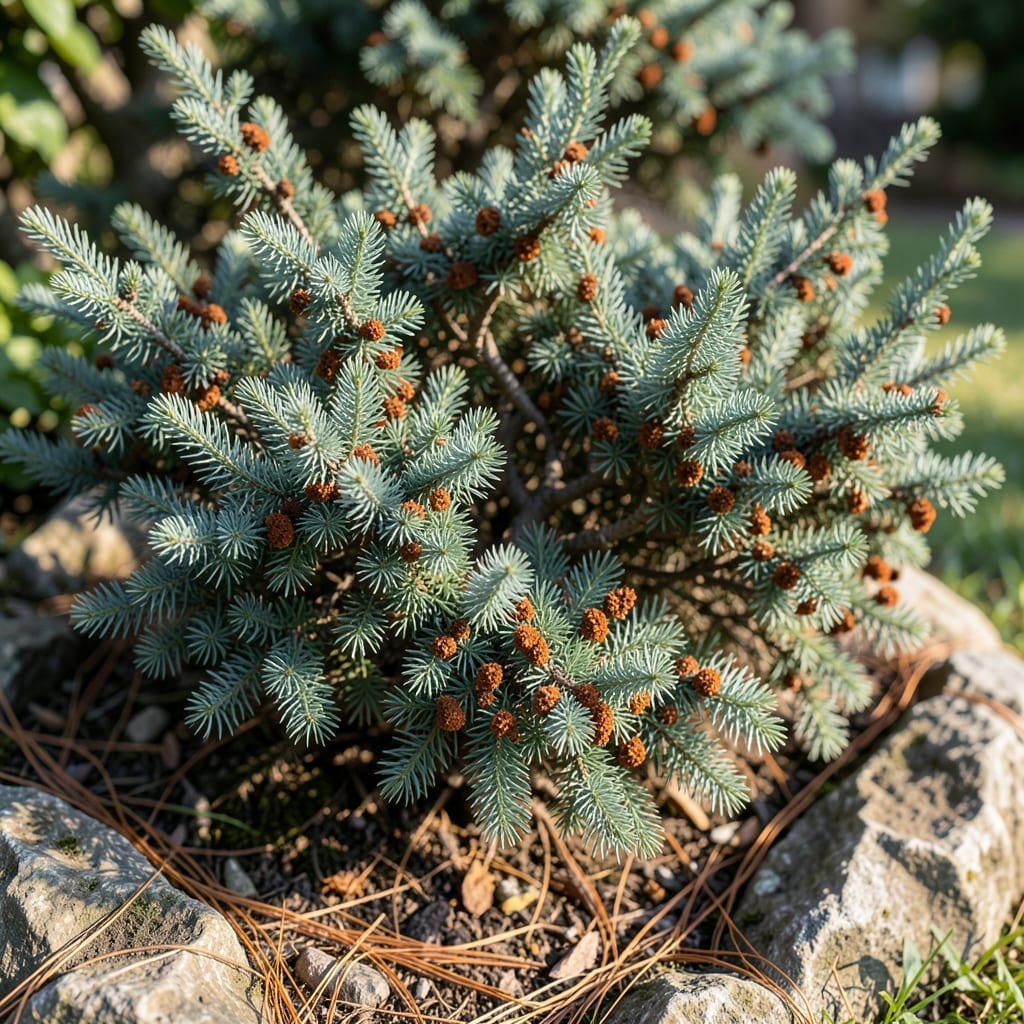
Orange jelly-like blobs on your juniper branches mean trouble. I first spotted juniper rust on my own plants three springs ago—ugly, alarming, and spreading fast if you don’t act.
The disease thrives in wet conditions, jumping between junipers and apples or crabapples. Left unchecked, it weakens plants and can kill young specimens. Catching it early makes all the difference.
Organic treatment starts with removal—prune infected branches 6 inches below visible signs. Sanitize tools between cuts to prevent spreading the spores.
Prevention is simpler than cure: space plants properly, water at the base, and keep an eye out after rainy periods. Your junipers can recover with the right approach.
Juniper rust disease is a fungal infection that thrives under specific environmental and biological conditions. Understanding these causes can help you prevent and manage outbreaks effectively. Below are the primary factors that contribute to its development.
The fungus Gymnosporangium spp., responsible for juniper rust, requires two different host plants to complete its life cycle. It alternates between juniper species (the primary host) and rosaceous plants like apple, crabapple, or hawthorn (the alternate host). Without both hosts nearby, the fungus cannot reproduce, reducing the risk of infection.
Wet, humid conditions are ideal for fungal spores to germinate and spread. Prolonged moisture on juniper foliage—from rain, irrigation, or high humidity—creates a perfect environment for the disease to take hold. Poor air circulation exacerbates the problem by keeping foliage damp for extended periods.
Cool, wet springs followed by warm summers accelerate the life cycle of juniper rust. The fungus releases spores in spring when temperatures range between 50–75°F (10–24°C), coinciding with the blooming of alternate hosts. These conditions allow spores to travel via wind or water, infecting susceptible plants.
Not all junipers are equally vulnerable. Species like Juniperus virginiana (Eastern Red Cedar) and Juniperus communis (Common Juniper) are highly susceptible, while some cultivated varieties may show resistance. Similarly, certain apple or crabapple cultivars are more prone to infection, increasing the disease pressure in mixed landscapes.
Overcrowded plantings, improper pruning, or neglecting to remove infected plant debris can spread the fungus. Spores overwinter in galls on juniper branches or fallen leaves, ready to reinfect plants in the next growing season. Sanitation and spacing are key to breaking this cycle.
Tackling juniper rust starts with targeted fixes for its root causes. Here’s how to address each issue and keep your plants thriving:
Prune away all visible galls, cankers, or infected branches immediately. Use sterilized pruning shears to cut at least 6 inches below the infected area. Burn or dispose of the debris—never compost it, as spores can linger.
Dense foliage traps moisture, creating a breeding ground for rust. Thin out crowded branches to let air flow freely. Space juniper plants 3–5 feet apart depending on variety, and avoid planting near susceptible hosts like apples or hawthorns.
Water at the base of the plant in the early morning so leaves dry quickly. Avoid overhead irrigation, which spreads spores. Drip systems or soaker hoses are ideal for keeping foliage dry while delivering moisture to roots.
For active infections, use copper-based fungicides or neem oil. Apply in early spring before galls form, then repeat every 7–10 days during wet weather. Always follow label instructions for safety and effectiveness.
Consistency is key—combine these steps for the best defense against reinfection.
Look for bright orange, jelly-like galls on branches in spring. Later, brown cankers or swollen areas appear on stems. Needles may turn yellow or brown and drop prematurely.
No, never compost infected material. The fungal spores can survive and spread to other plants. Burn or bag and dispose of all pruned branches and debris.
Start treatments in early spring, before galls form and spores release. Continue applications every 7–10 days during wet weather. Early intervention prevents spread.