
Beautiful Plants For Your Interior
Beautiful Plants For Your Interior
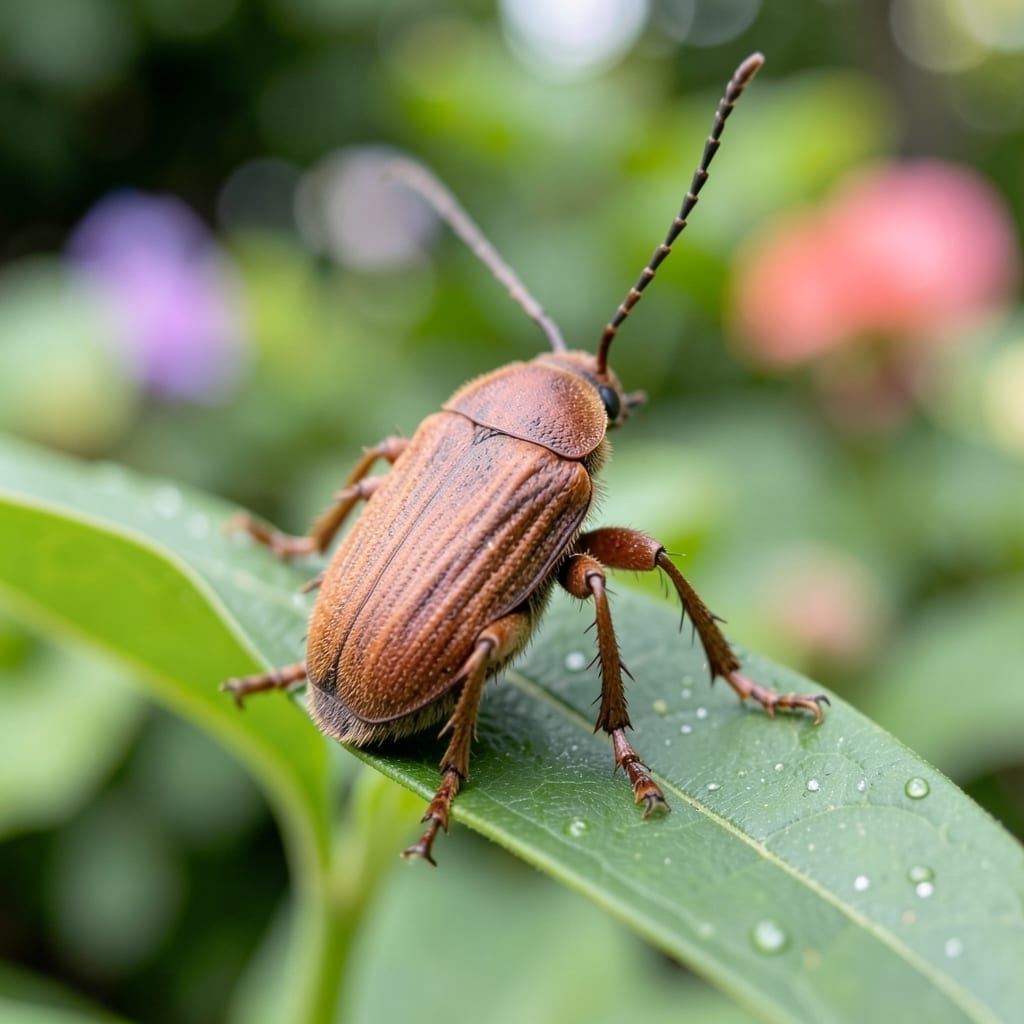
Those clumsy fliers bumbling into your porch light at dusk have a darker side. June bugs chew through lawn roots underground while their grubs prepare to devastate your grass next season.
I spotted my first damage after patches of turf lifted like loose carpet. The culprits were white, C-shaped larvae feasting just below the surface, turning healthy lawns into brown wastelands overnight.
Their life cycle means what you see now predicts next year’s problems. One season of ignored grubs guarantees a lawn that struggles to recover, no matter how much you water or fertilize.
Here’s the thing—you can stop the cycle before it starts. Early action saves your grass, garden beds, and sanity from these notorious summer pests.
June bugs, also known as Phyllophaga beetles, emerge in large numbers for specific biological and environmental reasons. Understanding these causes can help you manage and reduce their presence effectively. Below are the primary factors behind their seasonal appearance.
June bugs follow a 1- to 3-year life cycle, with adults emerging in late spring to early summer (typically May–June). This timing aligns with soil temperature warming (around 60–70°F), which triggers pupae to mature into adults. Their synchronized emergence ensures optimal conditions for mating and egg-laying.
These beetles thrive in moist, well-drained soils rich in organic matter, such as lawns, gardens, and agricultural fields. Warm, humid nights (common in early summer) prompt adults to become active, as they’re attracted to lights and vegetation. Heavy rainfall in spring can also accelerate larval (grub) development, leading to larger adult populations.
Adult June bugs feed on tree leaves, flowers, and fruits (e.g., oak, maple, or roses), while their grubs consume grass roots. The abundance of food sources in summer supports their survival. Additionally, their short adult lifespan (4–6 weeks) drives them to mate quickly, often clustering around lights or foliage to find partners.
Overwatered lawns, excessive outdoor lighting, and monoculture landscaping (e.g., large grassy areas) unintentionally create ideal habitats for June bugs. Artificial lights at night disorient them, leading to the swarms often seen around porches or streetlights.
Dealing with June bugs can be frustrating, but these practical solutions will help you reclaim your garden and lawn. Below are targeted fixes for common issues caused by these pests, along with prevention tips to keep them from returning.
If your lawn has brown, wilting patches, June bug grubs may be feeding on the roots. Beneficial nematodes (like Heterorhabditis bacteriophora) are natural predators that kill grubs without harming plants or pets. Apply them in late summer or early fall when grubs are young and active. Water the lawn before and after application to help nematodes move through the soil.
Prevention tip: 💡 Aerate your lawn in early summer to disrupt grub habitats and improve soil health.
Adult June bugs skeletonize leaves, especially on roses, grapes, and raspberries. Handpicking them off plants in the early morning (when they’re sluggish) is effective for small infestations. For larger problems, spray neem oil or insecticidal soap on affected foliage. Reapply after rain or every 7–10 days.
Prevention tip: 🎯 Install floating row covers over vulnerable plants to block adults from laying eggs.
June bugs swarm around porch lights and outdoor fixtures at night. Replace white lights with yellow or LED bulbs, which are less attractive to insects. You can also place a fan near lights to create a breeze that deters them.
Prevention tip: ✨ Keep outdoor lights off when not needed, or use motion-activated lighting to reduce beetle gatherings.
June bugs thrive in overgrown, moist areas. Reduce thatch in your lawn, mow regularly, and remove leaf litter or compost piles near your home. Encourage natural predators like birds, toads, and ground beetles by providing habitats such as birdhouses or rock piles.
Prevention tip: 🌡️ Avoid overwatering your lawn, as excessively damp soil attracts egg-laying females.
Adult June bugs have a very short lifespan of about 4-6 weeks. This brief period is focused on mating and laying eggs before they die. Their grubs, however, can live underground for 1-3 years before emerging.
June bug grubs are white, C-shaped larvae with brown heads and six legs. They grow up to 1 inch long and are often found curled up just below the soil surface, feeding on grass roots.
No, June bugs are harmless to humans. They don’t bite, sting, or transmit diseases. Their primary nuisance comes from damaging plants and swarming around lights at night.
They earned this name because adults typically emerge in late spring and are most active during June. This timing coincides with warm soil temperatures and ideal mating conditions.