
Beautiful Plants For Your Interior
Beautiful Plants For Your Interior
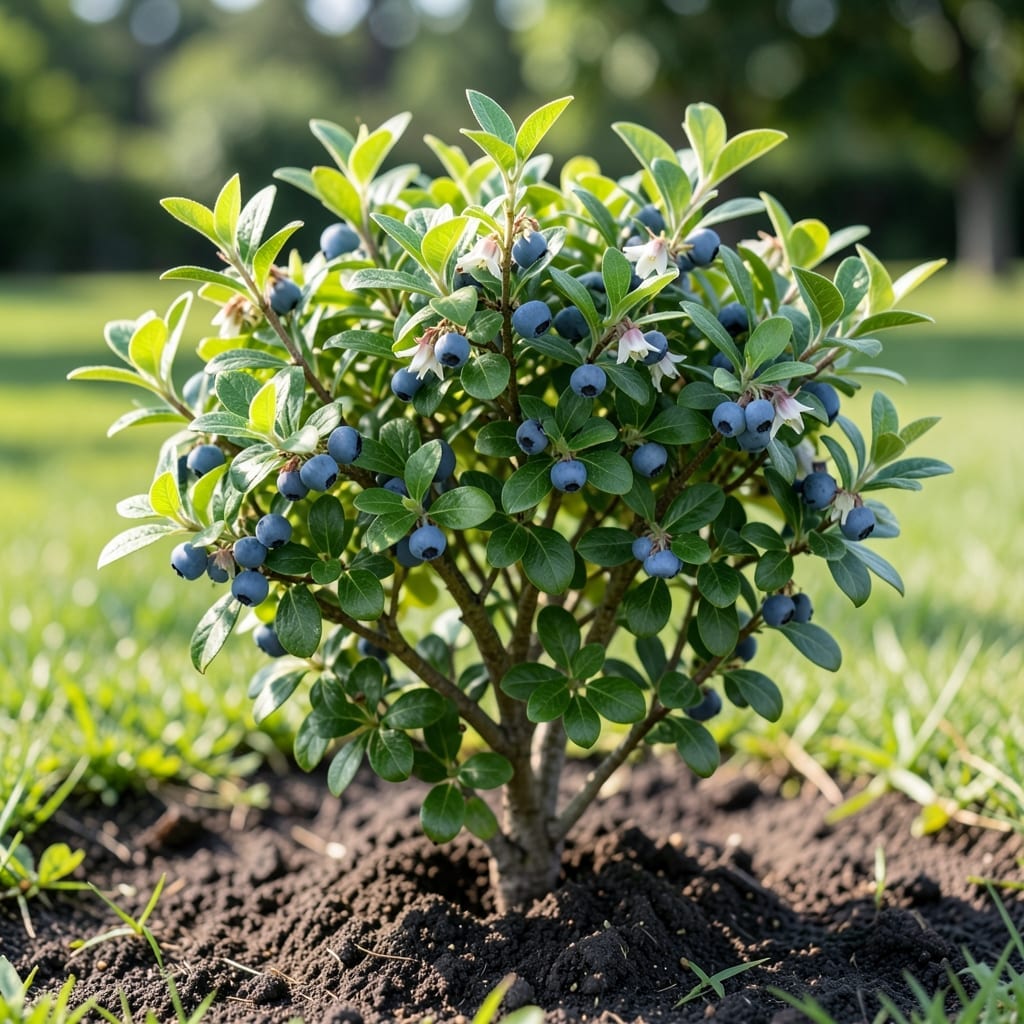
I discovered this thornless blueberry variety last season and it changed everything. No more scratches or struggles when picking fruit, and the berries taste just like the ones from childhood.
It grows compact enough for containers yet produces pint-sized harvests of sweet, firm fruit. The plants establish quickly with basic care: acidic soil, full sun, and consistent watering. Perfect for small spaces or beginner gardeners.
📚 In This Guide
Here’s the method I use to get abundant harvests from these thornless, easy-to-pick bushes.
Choose a site with full sun exposure—at least 6-8 hours daily. Jelly Bean blueberries thrive in acidic soil with a pH between 4.5-5.5. Test your soil first; if it’s too alkaline, amend with sulfur or peat moss.
Ensure the area has good air circulation to prevent fungal diseases. Avoid low-lying spots where cold air settles, as late frosts can damage early blooms. I prefer a slightly raised bed for better drainage.
Work the soil to a depth of 12-18 inches, removing any weeds or debris. Mix in plenty of organic matter like compost or well-rotted manure to improve fertility and structure. Blueberries have shallow root systems, so loose, well-draining soil is crucial.
If your soil isn’t naturally acidic, incorporate peat moss or pine bark fines into the planting hole. I add a handful of elemental sulfur to the mix to lower pH gradually over time. This step ensures your plants can access essential nutrients like iron.
Dig a hole twice as wide and just as deep as the root ball. Set the plant in the hole so the top of the root ball sits 1-2 inches above the surrounding soil level—blueberries hate standing water. Backfill with your amended soil, gently firming as you go.
Space plants 4-6 feet apart to allow for proper air circulation and future growth. Water thoroughly after planting to settle the soil and eliminate air pockets. I always mulch with 2-3 inches of pine bark to conserve moisture and suppress weeds.
Keep the soil consistently moist but not waterlogged, especially during the first growing season. Water deeply 2-3 times per week, allowing the top 1 inch of soil to dry slightly between waterings. Drip irrigation works best to keep foliage dry.
Blueberries are sensitive to both drought and overwatering. I check soil moisture by sticking my finger in the ground—if it feels dry at the first knuckle, it’s time to water. Morning watering reduces evaporation and fungal risks.
Begin pruning in the second or third year to encourage strong growth. Remove any dead, diseased, or crossing branches first. Then thin out weak, twiggy growth to allow light and air to penetrate the center of the bush.
Jelly Bean blueberries fruit on 1-year-old wood, so avoid heavy pruning that removes potential fruit-bearing stems. I aim to maintain an open vase shape, which makes harvesting easier and reduces disease pressure. Always sterilize pruning tools between cuts with rubbing alcohol.
These insights will help you avoid common pitfalls and maximize your harvest.
The Sun Factor: In Step 1, that 6-8 hours daily of full sun is non-negotiable. I learned this the hard way when my first plant struggled in partial shade. Without enough sunlight, you’ll get sparse fruit and weak growth. Choose the sunniest spot in your yard, even if it means moving other plants.
Soil Depth Secret: When preparing the soil in Step 2, don’t skimp on the 12-18 inches depth. Blueberry roots are shallow but spread wide, and compacted soil beneath will stunt growth. I use a garden fork to loosen the subsoil before adding my amended top layer.
Planting Height Hack: The 1-2 inches above soil level rule in Step 3 prevents root rot. I’ve seen plants decline within a season when planted level with the ground. The slight mound also improves drainage around the crown, which these bushes absolutely require.
Watering Wisdom: For Step 4, that top 1 inch of soil dryness test works perfectly with the 2-3 times per week schedule. I water in the early morning, and if I notice the soil is still damp at the 1-inch depth after 3 days, I skip a watering. Overwatering shows up as yellowing leaves first.
Keep the soil moist but well-drained, and ensure full sun exposure. Prune annually in late winter to encourage new growth. Fertilize with acid-loving plant food in spring.
Harvest when berries turn deep blue and easily detach from the bush, typically in mid to late summer. Check daily as they ripen at different rates.
Try other thornless varieties like ‘Top Hat’ or ‘Pink Icing’ blueberries. These are also compact, easy to grow, and produce abundant fruit.
Common causes include insufficient sunlight, poor pollination, or incorrect soil pH. Ensure acidic soil (pH 4.5–5.5) and cross-pollination with another variety if needed.