
Beautiful Plants For Your Interior
Beautiful Plants For Your Interior
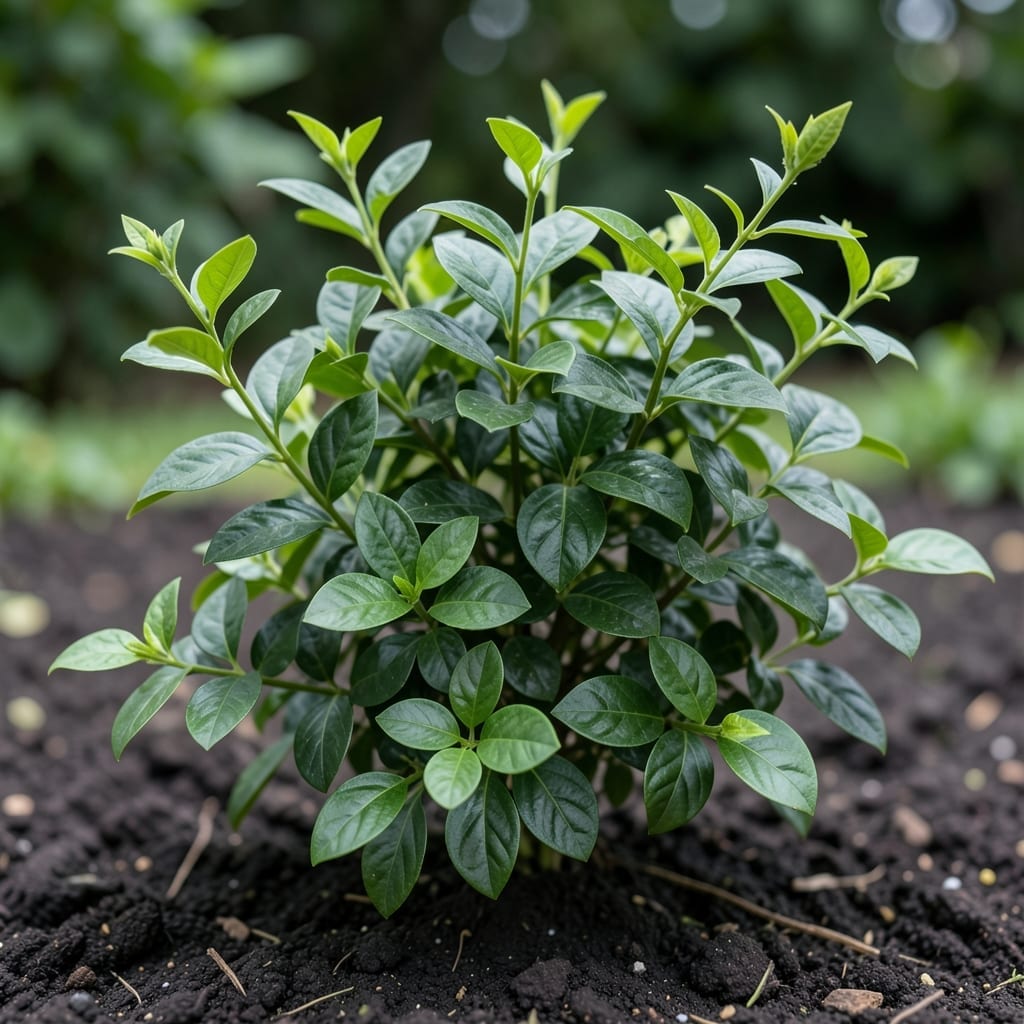
My jasmine vine sat leafy but flowerless for two years before I figured it out. The problem wasn’t bad soil or lazy plants—it was missing two critical pieces: the right light and proper feeding.
Jasmine needs 6+ hours of direct sunlight daily to set buds, plus a fertilizer high in phosphorus to push blooms instead of just leaves. I switched to a bloom-boost formula and moved the pot to a sunnier spot.
Within 8 weeks, the first white star-shaped flowers appeared. The vine now explodes with scent every spring, and the difference was shockingly simple.
If yours isn’t flowering, check sunlight first, then soil nutrients. The fix is usually easier than you think.
Understanding why your jasmine isn’t flowering starts with pinpointing the root causes. Here’s a breakdown of the most common triggers, backed by science and practical experience:
Jasmine thrives in full sun to partial shade. Most varieties, like Jasminum officinale or Jasminum grandiflorum, require 6–8 hours of direct sunlight daily to initiate flowering. Inadequate light disrupts photosynthesis, reducing the plant’s ability to produce the carbohydrates needed for bloom development. If your jasmine is in a shady spot, relocate it gradually to a sunnier area to avoid shock.
Too much or too little water can stall flowering. Jasmine prefers consistently moist but well-drained soil. Overwatering leads to root rot, which diverts energy away from flower production, while drought stress signals the plant to prioritize survival over blooming. Check soil moisture 1–2 inches deep—water only when the top layer feels dry.
A lack of phosphorus (P) or an excess of nitrogen (N) is a primary culprit. Phosphorus fuels flower formation, while too much nitrogen promotes leafy growth at the expense of blooms. Use a balanced fertilizer (e.g., 10-10-10) or switch to a bloom-boosting formula (e.g., 7-9-5) during the growing season. Test soil pH too—jasmine prefers 6.0–7.0 for optimal nutrient uptake.
Jasmine is sensitive to cold snaps or excessive heat. Most varieties flower best in 60–75°F (15–24°C). Frost can damage buds, while heatwaves may cause the plant to conserve energy. Protect potted jasmine by moving it indoors during cold spells, and provide afternoon shade in scorching climates.
Pruning at the wrong time can remove potential flower buds. Jasmine often sets buds on old wood (last year’s growth). Prune immediately after flowering to avoid cutting off next season’s blooms. If you’ve pruned in late winter or spring, you may have unintentionally trimmed off the flower-producing stems.
Here’s how to tackle the most common reasons your jasmine isn’t flowering, with simple fixes and tips to keep it blooming year after year.
Jasmine thrives in full sun to partial shade. If your plant is in a dim corner, relocate it to a spot that gets at least 6 hours of sunlight daily. South- or west-facing areas are ideal. For potted jasmine, rotate the container weekly to ensure even light exposure.
Prevention tip: 💡 Monitor sunlight patterns in your garden or balcony and adjust plant placement seasonally.
Jasmine hates soggy roots but also dislikes dry spells. Water deeply once a week, allowing the top inch of soil to dry out between waterings. If the soil stays waterlogged, improve drainage by mixing in perlite or sand. For underwatered plants, mulch around the base to retain moisture.
Prevention tip: 🌡️ Use a moisture meter to avoid guessing—keep soil evenly damp, not drenched.
A lack of phosphorus (key for blooming) often causes jasmine to skip flowering. Switch to a high-phosphorus fertilizer (e.g., 5-10-5 or 7-9-5) and apply every 4–6 weeks during growing season. Organic options like bone meal or compost tea work well too.
Prevention tip: ✨ Test your soil annually and amend with compost to maintain fertility.
Pruning at the wrong time removes flower buds. Jasmine sets buds on old wood, so prune immediately after flowering (late summer or early fall). Remove only dead or overgrown branches, and avoid heavy cuts in spring.
Prevention tip: 🎯 Mark your calendar after the first bloom to remind yourself when to prune.
Pests like aphids or scale sap plant energy, reducing blooms. Spray with neem oil or insecticidal soap at the first sign of infestation. Encourage natural predators (ladybugs, lacewings) by planting companion flowers like marigolds.
Prevention tip: 🌿 Regularly check the undersides of leaves for early pest detection.
Jasmine requires at least 6-8 hours of direct sunlight daily to produce blooms. If it’s not flowering, try moving it to a sunnier spot. South-facing windows or outdoor areas work best.
Use a high-phosphorus fertilizer like 5-10-5 or 7-9-5 during the growing season. Apply every 4-6 weeks to encourage bloom production rather than leafy growth.
Prune immediately after flowering, typically in late summer or early fall. This prevents cutting off next season’s buds, as jasmine sets flowers on old wood.
Yes, pests like aphids or scale drain the plant’s energy. Treat with neem oil or insecticidal soap and check leaf undersides regularly. Healthy plants bloom more reliably.