
Beautiful Plants For Your Interior
Beautiful Plants For Your Interior
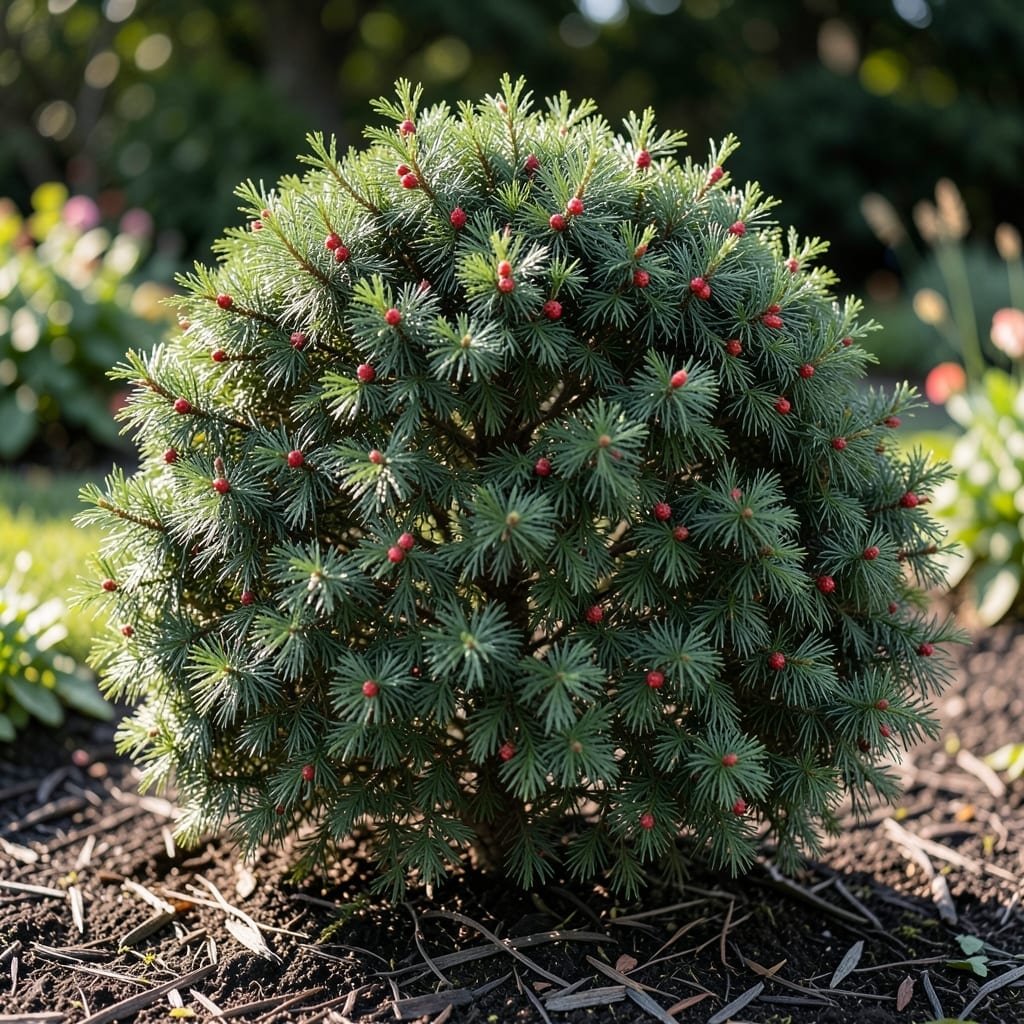
If you’ve ever admired a perfectly manicured hedge and wondered how it achieved such elegant form, the Japanese Yew 🌳 might be your answer. This evergreen shrub is a landscape favorite for its controlled, graceful growth pattern.
Its growth rate is a key factor in its appeal, offering just enough progress to shape without becoming unruly. Gardeners in zones 4-7 will find it particularly rewarding for outdoor cultivation.
Let me walk you through what influences this plant’s pace and how you can encourage its best development. The results might surprise you.


The Japanese yew grows at a slow to moderate pace, typically adding 6-12 inches per year under ideal conditions. This makes it perfect for hedges and topiary that need shaping without constant maintenance.
Different cultivars have distinct growth patterns. For example, ‘Hicksii’ tends to grow taller, while ‘Densiformis’ spreads wider. Climate and soil quality also play significant roles in its development.
🌳 Japanese Yew Growth Rate by Variety
| Variety | Annual Growth | Mature Height | Notes |
|---|---|---|---|
| Hicksii | 8-12 inches | 15-20 ft | Upright growth habit |
| Densiformis | 4-6 inches | 3-4 ft | Dwarf, spreading form |
| Nigra | 6-10 inches | 10-15 ft | Dark green foliage |
| Capitata | 10-12 inches | 20-40 ft | Tree-like form |
The ‘Hicksii’ cultivar is a popular choice for tall hedges due to its upright growth. It can reach 15-20 feet at maturity, making it ideal for privacy screens.
‘Densiformis’ is a dwarf variety that stays compact, perfect for low borders or ground cover. Its slow growth means less frequent pruning.
‘Nigra’ offers a balance with moderate height and dark foliage. It’s versatile for both formal and informal garden designs.
For those wanting a tree-like form, ‘Capitata’ grows the fastest among Japanese yews, potentially reaching 40 feet in optimal conditions.
Growth rates can vary based on climate zone. In warmer areas, you might see slightly faster growth, while cooler climates may slow it down.
Soil quality is another critical factor. The Japanese yew thrives in well-draining, slightly acidic soil. Poor drainage can stunt growth and lead to root issues.
If you’re planting in USDA zones 4-7, you’ll find this evergreen particularly adaptable. Just ensure it gets partial shade to protect it from harsh afternoon sun.
With proper care, your Japanese yew can become a stunning focal point in your landscape, offering year-round beauty and structure 🌿
If you want your Japanese yew to thrive, understanding the key factors that influence its growth is essential. This evergreen responds to environmental conditions and care practices in predictable ways.
From sunlight exposure to soil quality, small adjustments can make a big difference in how quickly your yew reaches its full potential.
🌳 Top 5 Growth Influencers for Japanese Yew
For optimal sunlight, I recommend planting your yew where it gets morning sun and afternoon shade. This prevents leaf scorch while providing enough light for healthy growth.
Soil pH is often overlooked but critical. If your soil is too alkaline, the yew may develop yellowing leaves. A simple soil test can guide you on amendments needed.
When it comes to watering, consistency is key. Deep watering once a week is better than frequent shallow watering. This encourages strong root development.
Pruning at the right time ensures your yew maintains its shape without stress. I always prune mine in early spring before new growth starts, using clean, sharp tools for the best results ✂️