
Beautiful Plants For Your Interior
Beautiful Plants For Your Interior
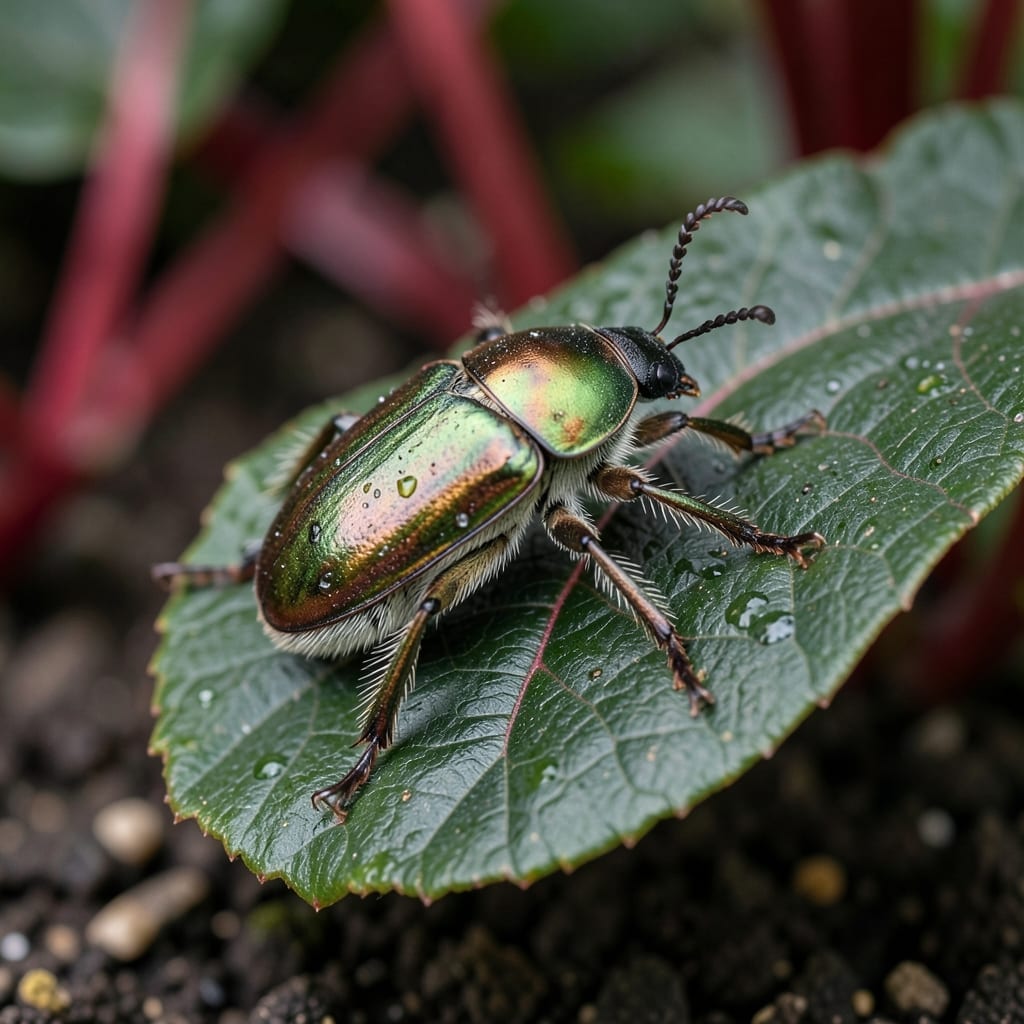
Skeletonized rose leaves and lacy grape vines mean Japanese beetles have arrived. 🌱 These metallic pests devour plants in broad daylight, leaving gardens looking like swiss cheese by afternoon.
Here’s the thing—I tried every trick before landing on what actually works. Hand-picking at dawn does the most damage to their population, and it’s oddly satisfying. Neem oil and kaolin clay create barriers that stop feeding without chemicals.
Companion planting with garlic and chives confuses their scent tracking, while milky spore powder targets the grubs in your lawn. The key is consistency—skip a day and they’ll be back twice as strong.
You’ll see results within a week of starting this routine. No more watching your hard work disappear overnight.
Understanding why Japanese beetles invade your garden is the first step toward effective control. These pests thrive due to specific environmental and biological factors.
Japanese beetles are drawn to over 300 plant species, including roses, grapes, and linden trees. Gardens with diverse, lush vegetation provide an all-you-can-eat buffet, encouraging beetles to lay eggs in the soil. Grubs (their larval stage) then feed on grass roots, creating a cyclical infestation.
Warm, sunny days (70–85°F) and moist soil trigger beetle activity. They emerge in early summer, synchronized with plant blooming cycles. Drought-stressed lawns are especially vulnerable, as grubs seek out the remaining moisture in roots.
In their native Japan, beetles are kept in check by predators like parasitic wasps. In North America, few natural enemies exist, allowing populations to explode unchecked. Birds and toads may eat some adults, but this rarely curbs large infestations.
Beetles hitch rides on plants, soil, or gardening tools, accidentally transported by humans. Infested nursery stock is a common culprit—always inspect new plants for eggs or adults before planting.
Japanese beetles can wreak havoc on your garden, but you can fight back with these targeted solutions. Below, we break down the most common causes of infestations and how to address them—plus prevention tips to keep them from returning.
Fix: Remove attractants like overripe fruit, fallen leaves, and weeds where beetles breed. Handpick beetles in the early morning when they’re sluggish (drop them into soapy water).
Prevent: Keep your garden clean and prune regularly. Plant beetle-resistant varieties like boxwood, lily of the valley, or oak.
Fix: Use fine mesh netting (1/4-inch or smaller) to cover vulnerable plants. For small areas, floating row covers work well.
Prevent: Install barriers before beetles emerge (late June in most regions). Secure edges tightly to the soil.
Fix: Reduce irrigation and improve drainage with compost or sand. Beetle grubs thrive in moist soil, so let the top inch dry between waterings.
Prevent: Water deeply but infrequently (early morning is best) to discourage grub survival.
Fix: Introduce beneficial nematodes (Heterorhabditis bacteriophora) to target grubs in the soil. Apply in late summer or early fall.
Prevent: Avoid broad-spectrum pesticides, which kill predator insects like parasitic wasps and ground beetles.
💡 Pro Tip: Trap away from your garden! Japanese beetle traps can attract more pests than they catch—place them at least 30 feet from your plants.
Early morning is ideal for hand-picking, as they’re sluggish then. Treat grubs in late summer or early fall with nematodes.
Traps can attract more beetles than they catch. Place them at least 30 feet from your garden to avoid drawing pests closer.
Beetles dislike boxwood, lily of the valley, and oak. Use these as natural deterrents in your landscaping.
Avoid broad-spectrum pesticides, as they kill beneficial predators. Opt for targeted organic solutions like neem oil instead.