
Beautiful Plants For Your Interior
Beautiful Plants For Your Interior
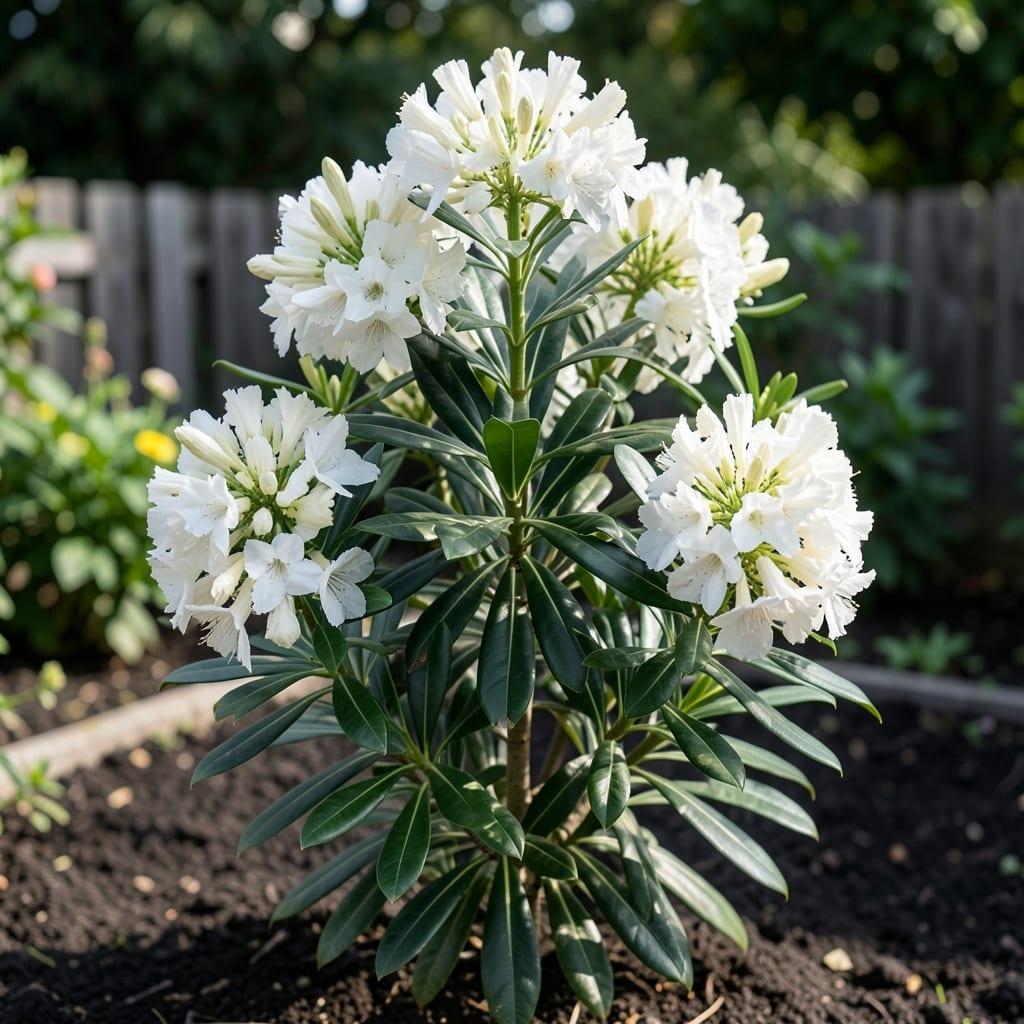
Yes, white oleander is highly poisonous. All parts contain toxic cardiac glycosides that can cause severe heart issues, nausea, or even death if ingested by humans or animals.
I’ve seen cases where even small amounts of its leaves or sap triggered dangerous heart arrhythmias. These compounds disrupt normal heart function by interfering with potassium and sodium levels in cells. Children and pets are especially at risk due to their smaller body size, so it’s critical to keep this plant far from play areas or pet zones. 💫
What surprises many gardeners is how deceptively beautiful yet deadly this shrub can be. Always wear gloves when pruning, and never burn the clippings—the smoke can also release toxins.
💡 In This Article
The primary culprits are cardiac glycosides, particularly oleandrin and neriine. These compounds disrupt the sodium-potassium pump in heart cells, causing chaotic electrical signaling that can lead to fatal arrhythmias. Even 0.005% of the plant’s weight in these toxins can be lethal to humans.
What makes these glycosides so dangerous is their stability. They remain potent even when dried or cooked, and all parts of the plant—leaves, flowers, stems, and sap—contain them. The concentration varies, but leaves typically hold 0.1-0.5% cardiac glycosides by dry weight, enough to cause severe poisoning if ingested. 🔥
Symptoms appear within 2-4 hours of exposure. Early signs include nausea, vomiting, and diarrhea. As the toxins spread, they cause confusion, irregular heartbeat, and potentially fatal cardiac arrest. The heart’s electrical system becomes overwhelmed, similar to digitalis poisoning from foxglove plants.
Pets are equally vulnerable. Dogs and cats may experience drooling, tremors, and weakness after chewing just a few leaves. Veterinary cases show that even small animals can suffer fatal outcomes from minimal exposure. The toxins are absorbed quickly, making immediate action critical.
These compounds persist in the environment too. When plant material decomposes, the glycosides can leach into soil and water, potentially affecting other plants or animals. This is why proper disposal of trimmings is essential—never compost oleander clippings.
Every part of the plant is poisonous, including leaves, flowers, stems, and sap. The highest concentrations of cardiac glycosides are typically found in the leaves and sap.
Symptoms usually develop within 2-4 hours after exposure. Early signs include nausea and vomiting, followed by more severe cardiac effects if untreated.
No, burning oleander releases toxic compounds in the smoke. Always bag and dispose of trimmings with household trash, never in compost or open fires.
Yes, dogs and cats can suffer severe symptoms from chewing even small amounts. Signs include drooling, tremors, and weakness. Seek vet care immediately.
Call poison control at 1-800-222-1222 (US) right away. Do not induce vomiting unless instructed by medical professionals.