
Beautiful Plants For Your Interior
Beautiful Plants For Your Interior
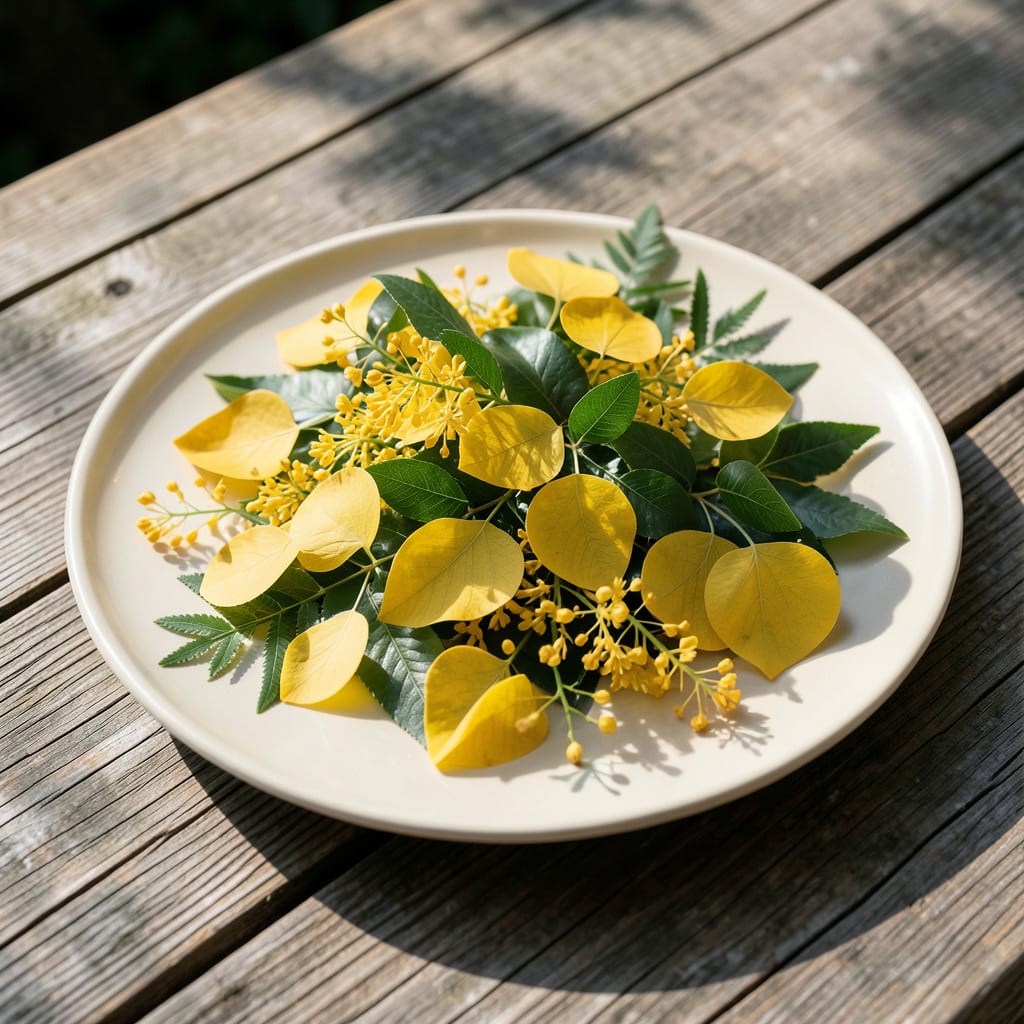
Yellow leaves on your butterfly bush aren’t just unsightly—they’re a cry for help. I’ve seen this happen mid-season when the plant should be thriving, and it always points to one of three common issues.
Most often it’s overwatering creating soggy roots, or underwatering leaving the plant parched. Sometimes it’s the soil itself lacking iron or nitrogen, which shows up as that sickly yellow first.
Here’s the thing—catch it early and you can reverse the damage. The leaves should be a deep green with vibrant blooms, not pale and struggling.
Works for potted or in-ground plants, and the fixes are simpler than you’d expect. Let’s get to the root of the problem.
Yellow leaves on your butterfly bush (Buddleia) are a distress signal, often tied to environmental or cultural stressors. Below are the most common causes, explained with actionable insights.
Butterfly bushes thrive in well-drained soil. Overwatering suffocates roots, preventing nutrient uptake and leading to chlorosis (yellowing). Conversely, drought stress triggers leaf scorch, starting at the edges. Check soil moisture 2 inches deep—dry? Water deeply. Soggy? Improve drainage with compost or sand.
Nitrogen deficiency causes uniform yellowing (older leaves first), while iron or magnesium shortages create interveinal chlorosis (yellow leaves with green veins). Test soil pH—Buddleia prefers 6.0–7.0. Amend with chelated iron or Epsom salt (for magnesium) if needed.
While butterfly bushes love full sun (6+ hours), intense heat waves can scorch leaves, turning them yellow or brown. In contrast, deep shade starves the plant of energy, causing pale, weak foliage. Relocate potted plants or use shade cloth during peak summer.
Spider mites and aphids sap nutrients, leading to stippled or yellowed leaves. Fungal issues like powdery mildew (white coating) or root rot (wilting + yellowing) also strike. Inspect undersides of leaves and treat with neem oil or fungicides as needed.
Sudden cold snaps or frost can shock the plant, causing leaf yellowing. Similarly, heat stress in zones with high humidity may trigger similar symptoms. Mulch heavily in fall to insulate roots, and water during heatwaves to cool the soil.
Yellow leaves on your butterfly bush can often be fixed with a few simple adjustments. Below are practical solutions for the most common causes, along with prevention tips to keep your plant thriving.
Fix: Reduce watering frequency and ensure the soil drains well. If the roots are soggy, let the top 1-2 inches of soil dry out before watering again. For severe cases, repot the plant in fresh, well-draining soil and trim any black, mushy roots.
Prevention: Use a pot with drainage holes or amend garden soil with perlite or sand. Stick your finger in the soil—if it feels damp, hold off on watering. 💡
Fix: Apply a balanced, slow-release fertilizer (10-10-10) or a nitrogen-rich formula to address general yellowing. For iron deficiency (yellow leaves with green veins), use chelated iron or lower the soil pH with sulfur.
Prevention: Feed your butterfly bush lightly every 4-6 weeks during the growing season. Avoid over-fertilizing, as this can cause leaf burn.
Fix: Spray leaves with insecticidal soap or neem oil to treat spider mites, aphids, or whiteflies. For stubborn pests, use a horticultural oil or introduce beneficial insects like ladybugs.
Prevention: Inspect leaves regularly, especially the undersides, and keep the area around the plant free of debris. ✨
Fix: If leaves are scorched, move the plant to a spot with afternoon shade. For cold stress, protect it with mulch or a frost cloth in cooler climates.
Prevention: Butterfly bushes love full sun but appreciate some shade in extreme heat. Plant in a sheltered location if you live in a region with harsh winters.
Fix: Remove infected leaves and treat with a copper-based fungicide or bactericide. Improve air circulation by pruning dense growth.
Prevention: Water at the base of the plant (not the leaves) and space plants properly to reduce humidity. 🎯
Water when the top 1-2 inches of soil feel dry, typically 1-2 times per week in hot weather. Overwatering is a common cause of yellow leaves.
A balanced 10-10-10 fertilizer works for general yellowing. For leaves with green veins, use chelated iron or Epsom salt for magnesium.
Severely damaged leaves won’t recover, but new growth will be healthy once you fix the issue. Address the root cause quickly to prevent spreading.
Remove only heavily damaged leaves to redirect energy. If just a few are yellow, wait to see if they recover after adjusting care.
