
Beautiful Plants For Your Interior
Beautiful Plants For Your Interior
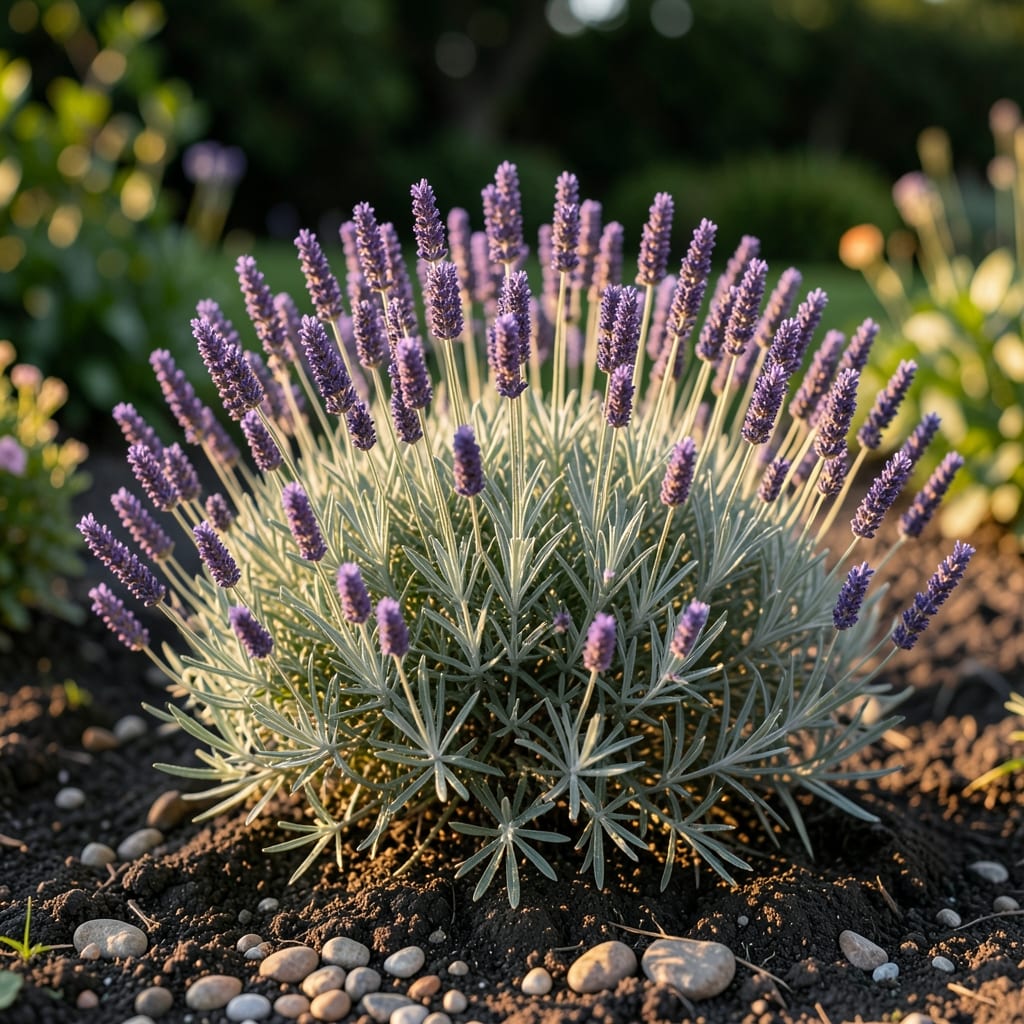
Yes, culinary lavender leaves are generally safe to eat in small amounts, but only if they come from food-grade, pesticide-free varieties. Avoid ornamental types, which may contain harmful chemicals.
I always check the source before using any part of the plant in my kitchen. Food-grade varieties are bred specifically for consumption and undergo strict testing, unlike ornamental types often treated with non-food-safe pesticides. 💫 Even then, I use them sparingly because the oils can be potent, and too much might cause stomach discomfort or allergic reactions in sensitive individuals.
💡 In This Article
The key difference lies in cultivation. Food-grade lavender is grown without synthetic pesticides or herbicides, using organic practices certified for human consumption. Ornamental varieties often contain neonicotinoids or fungicides that leave residues toxic if ingested. The USDA Organic or NSF certifications guarantee safety.
Chemically, edible lavender has lower camphor content (under 5% in oil) compared to ornamental types which can reach 20%. This compound gives ornamental lavender its strong scent but can cause nausea or headaches when consumed. Food-safe varieties like Lavandula angustifolia are bred for milder profiles.
Identification matters. Edible lavender has slender stems with single flowers, while ornamental varieties often have thicker stems and denser flower clusters. The leaves of culinary lavender are narrower (1-2mm wide) and more aromatic when crushed. Always check the label for “culinary grade” designation.
Even with food-grade plants, moderation is key. The essential oils in lavender leaves contain linalool and linalyl acetate, compounds that can cause digestive upset in quantities over 1-2 teaspoons of dried leaves per serving. These compounds are 10-15 times more concentrated in the leaves than in the flowers.
For absolute safety, source from reputable suppliers who provide third-party testing for heavy metals and pesticides. Avoid roadside plants or those from garden centers unless explicitly labeled for consumption. The risk isn’t just chemicals—some ornamental varieties may be treated with growth regulators that aren’t food-safe. 🔥
Food-grade lavender is cultivated without synthetic pesticides, while ornamental types often contain toxic residues like neonicotinoids. Look for USDA Organic or NSF certifications to guarantee safety.
Limit dried leaves to 1-2 teaspoons per serving. The essential oils are highly concentrated and can cause digestive upset in larger amounts. Always start with less and adjust to taste.
Only if you’re certain they’re pesticide-free and from a culinary variety like Lavandula angustifolia. Most garden lavender is ornamental and may contain harmful chemicals. When in doubt, don’t consume.
Dry and crush leaves for teas or baking. Grind with sugar for lavender sugar, or use sparingly in savory dishes with herbs like rosemary. The flavor is stronger than flowers, so use half the typical amount.