
Beautiful Plants For Your Interior
Beautiful Plants For Your Interior
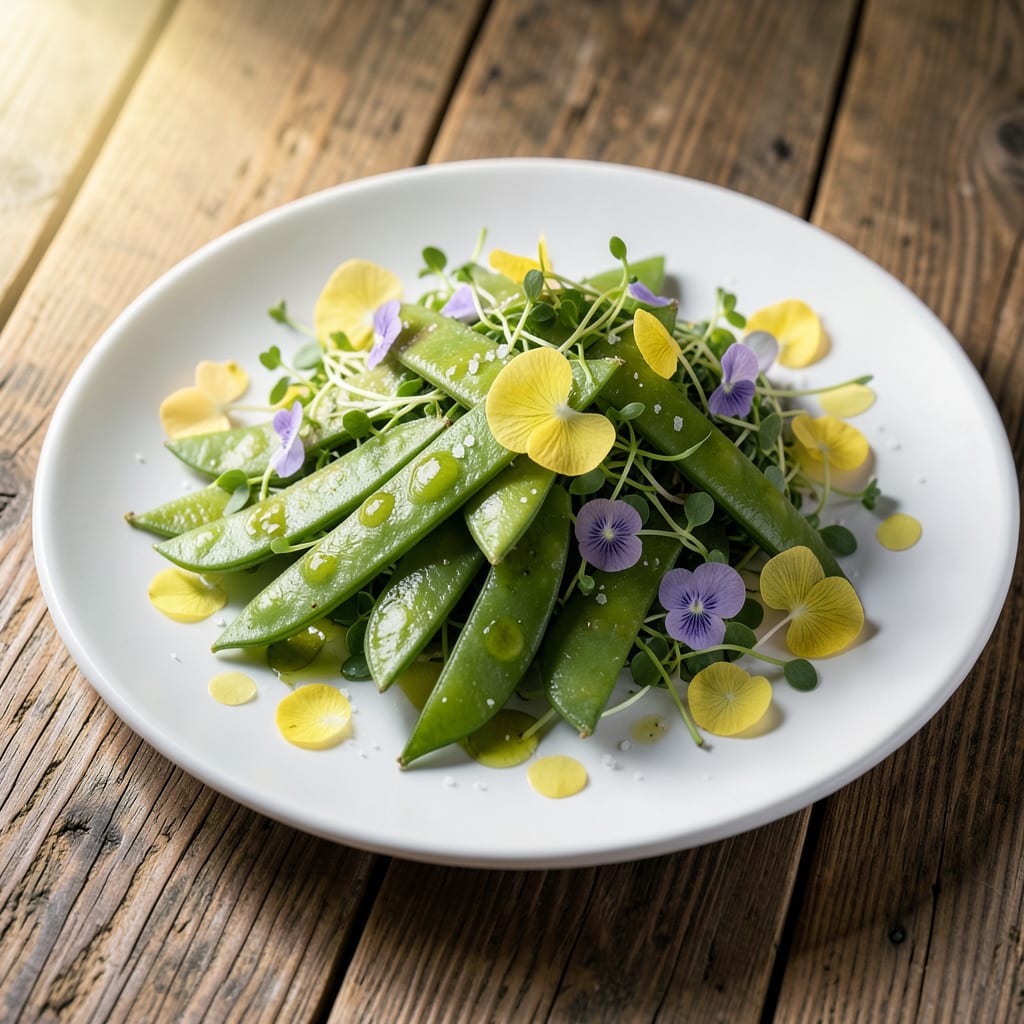
Yellow leaves on sugar snap peas always feel like a gut punch after all that early planting work. I’ve lost entire rows to this before realizing the problem wasn’t the plants—it was what I was doing to them.
Between you and me, most cases come down to 3 simple issues: too much water, not enough nitrogen, or sneaky pests you can’t see yet. The good news? Fix the right one and they bounce back fast.
I’ve revived wilting vines in under a week with the right adjustments. You’ll spot the difference within days—new growth comes in vibrant green instead of sickly yellow.
Works for container or ground plants, organic or conventional setups. Let’s diagnose and fix it.
Sugar snap peas develop yellow leaves for several specific reasons, often tied to their growing conditions or care. Understanding these causes helps you address the issue effectively.
Yellowing often signals a lack of essential nutrients. Nitrogen deficiency is a common culprit, causing uniform yellowing of older leaves as the plant redirects nitrogen to newer growth. Magnesium or iron deficiencies may also trigger yellowing, but these typically appear as interveinal chlorosis (yellowing between leaf veins). Test your soil to confirm and amend with a balanced fertilizer or targeted supplements.
Excess moisture or poorly draining soil can suffocate roots, leading to yellow leaves. Roots deprived of oxygen struggle to absorb nutrients, causing stress. Check soil moisture before watering—only water when the top inch feels dry. Ensure your planting area has good drainage or use raised beds to prevent waterlogging.
Extreme temperatures, either too hot or too cold, can stress sugar snap peas. Heat stress often causes yellowing at the edges of leaves, while cold snaps may lead to widespread discoloration. Peas thrive in 60–75°F (15–24°C). Use row covers to protect plants during temperature swings.
Pests like aphids or diseases such as powdery mildew can weaken plants, leading to yellowing. Aphids suck sap from leaves, causing them to yellow and curl. Powdery mildew creates a white, powdery coating on leaves, eventually turning them yellow. Inspect plants regularly and treat with neem oil or insecticidal soap at the first sign of trouble.
Here’s how to tackle each underlying cause and bring your sugar snap peas back to vibrant health.
If the soil lacks nitrogen or iron, amend it with a balanced organic fertilizer or compost. For quick results, use a foliar spray of chelated iron or a nitrogen-rich liquid fertilizer. Prevention tip: Test soil before planting and enrich it with compost annually. 💡
Overwatered plants need a break—let the top inch of soil dry out before watering again. For underwatered peas, deep-water at the base (avoid wetting leaves) and mulch to retain moisture. Prevention tip: Use a moisture meter to gauge needs and water in the early morning. 🌡️
Move potted peas to a sunnier spot (6+ hours of light daily). If heat stress is the issue, provide afternoon shade with a shade cloth. In cold climates, use row covers to protect from frost. Prevention tip: Plant in spring or fall to avoid extreme temps. ❄️
For aphids or spider mites, spray with neem oil or insecticidal soap. Fungal issues? Remove affected leaves, improve airflow, and apply a copper fungicide. Prevention tip: Rotate crops and avoid overhead watering to keep foliage dry. ✨
If roots are compacted or waterlogged, loosen the soil gently and improve drainage with perlite or sand. For root rot, trim blackened roots and repot in fresh, well-draining soil. Prevention tip: Use raised beds for better drainage. 🎯
With the right fix, new growth often appears within 3-5 days. Older yellow leaves may not turn green again, but fresh ones will emerge healthy. Consistency in care speeds up the process.
Yes, it’s the top culprit for many gardeners. Roots need oxygen, and soggy soil blocks this. Always check the top 1 inch of soil before watering.
A diluted 1 tablespoon baking soda per gallon of water can help with fungal issues. For pests, a soapy water spray (1 tsp mild soap per quart) works temporarily.
Yes, trim severely yellow or damaged leaves to redirect energy. Use clean shears and remove only 1/3 of foliage at a time to avoid shocking the plant.
