
Beautiful Plants For Your Interior
Beautiful Plants For Your Interior
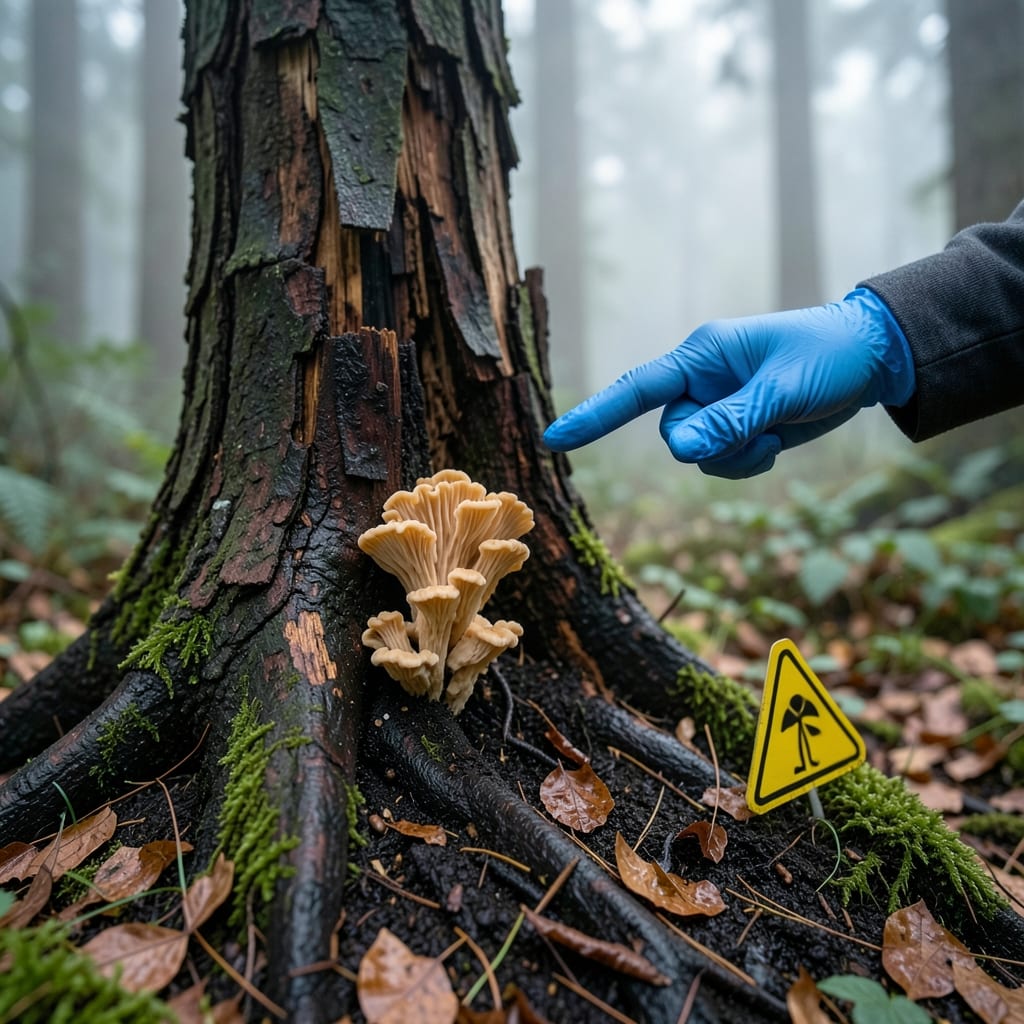
Honey fungus is generally not dangerous to humans as it rarely causes direct harm, but some species may trigger allergic reactions or mild gastrointestinal upset if ingested.
While most honey fungus varieties pose little threat, I always emphasize caution because certain species contain compounds that can irritate sensitive individuals. 💫
The real concern often comes from accidental ingestion or prolonged exposure to spores. I’ve seen cases where gardeners developed skin irritation simply from handling infected wood without protection.
💡 In This Article
The potential hazards stem from specific compounds in certain honey fungus species. Some varieties produce sesquiterpenes and other secondary metabolites that can act as irritants. These compounds may trigger immune responses in sensitive individuals, particularly when ingested or when spores are inhaled over prolonged periods.
Respiratory exposure poses a notable risk during garden work. When disturbed, honey fungus releases microscopic spores that can cause allergic rhinitis or asthma-like symptoms. Studies show spore concentrations above 1,000 per cubic meter may trigger reactions in susceptible people. The spores are particularly potent in enclosed spaces like greenhouses.
Skin contact presents another concern. The mycelium contains chitin and other cell wall components that can cause dermatitis in some individuals. Gardeners report developing red, itchy rashes after handling infected wood without gloves. The severity often depends on the duration of contact and individual sensitivity.
Gastrointestinal effects typically occur only with consumption. While most species are non-toxic, a few contain compounds that may cause nausea, vomiting, or diarrhea. The Armillaria mellea species, for example, has been associated with mild poisoning cases when eaten raw or improperly prepared. Cooking often neutralizes these compounds.
What makes honey fungus particularly tricky is its variability. There are over 10 recognized species in the Armillaria genus, each with different chemical profiles. The Armillaria ostoyae strain, common in North America, tends to have higher concentrations of irritating compounds than its European counterparts.
The risk increases with repeated exposure. Chronic contact may lead to sensitization, where the immune system becomes increasingly reactive to the fungus. This explains why some long-time gardeners suddenly develop symptoms after years of uneventful exposure. ✨
Yes, the mycelium contains chitin that may cause red, itchy rashes. Always wear nitrile gloves when handling to prevent contact dermatitis.
Most species cause only mild stomach upset, but some like Armillaria mellea may trigger nausea or vomiting if raw. Cooking usually neutralizes harmful compounds.
Dig out infected roots and stumps, removing at least 12 inches beyond visible damage. Seal material in heavy-duty bags and discard with trash.
Prolonged exposure may cause allergic rhinitis or asthma-like symptoms. Use a dust mask when working near infected areas to minimize risk.