
Beautiful Plants For Your Interior
Beautiful Plants For Your Interior
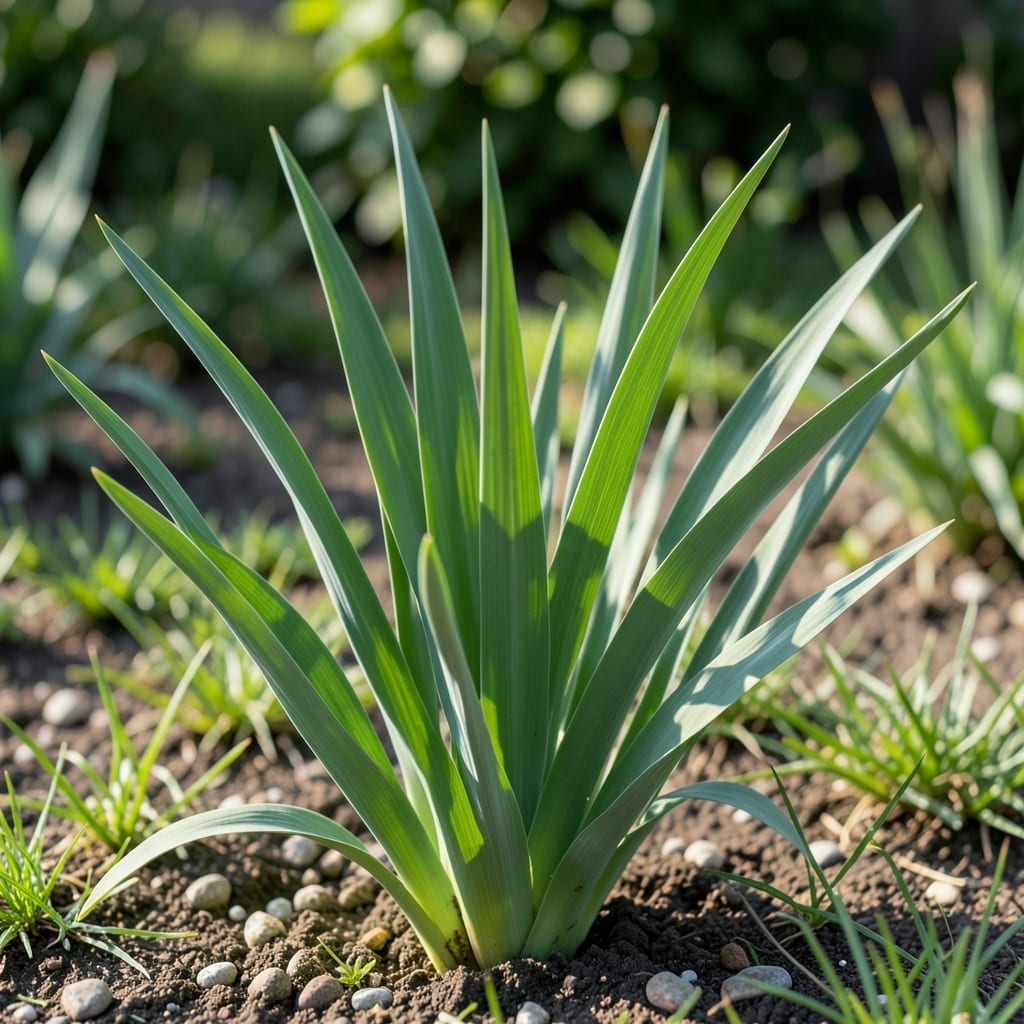
Last year, my irises produced more leaves than flowers. Turns out, they were starving for sunlight and crowded in their bed.
Most iris flowering failures come down to 3 simple issues: not enough sun, too many rhizomes competing, or old clumps that need dividing. I fixed mine by moving them to a sunnier spot and thinning the crowd.
Within a season, I went from zero blooms to dozens. The key was giving them what they naturally crave—full sun and room to breathe.
Works for bearded, Siberian, and Japanese irises alike. Here’s how to diagnose and fix yours.
When irises refuse to bloom, the issue often boils down to a few key environmental or cultural factors. Understanding these causes can help you correct the problem and coax those stunning flowers back. Here’s why your irises might be holding back:
Irises are sun-worshippers, requiring at least 6–8 hours of direct sunlight daily. Shade from trees, buildings, or overgrown plants can starve them of the energy needed to produce flowers. If your irises are planted in a dim corner, relocating them to a sunnier spot is the most actionable fix.
These plants thrive when their rhizomes (thick underground stems) have room to breathe. Over time, clumps become dense, leading to nutrient competition and reduced flowering. If your irises haven’t been divided in 3–4 years, they’re likely suffocating. Dig up the clumps, discard the oldest centers, and replant the healthy rhizomes with 12–24 inches of space between them.
Too much nitrogen (common in lawn fertilizers) promotes lush foliage at the expense of flowers. Irises prefer low-nitrogen, high-phosphorus fertilizers (e.g., 6-10-10) to support blooming. Test your soil—if it’s overly rich in nitrogen, switch to a bloom-boosting formula and avoid over-fertilizing.
A sudden cold snap can zap flower buds before they open. If your region experiences unpredictable late frosts, protect emerging irises with frost cloth or mulch. Planting in a sheltered spot or choosing cold-hardy varieties (like Siberian irises) can also prevent this setback.
Rhizomes planted too deep (more than 1 inch below soil) struggle to absorb sunlight and warmth, stunting flower production. Check their depth—ideally, the tops should be partially exposed to the sun. Gently lift and adjust if needed.
If your irises aren’t blooming, don’t worry—there are straightforward fixes for most common issues. Below are practical solutions mapped to likely causes, along with prevention tips to keep your garden vibrant.
When irises get too crowded, they stop flowering. Dig up the rhizomes every 3–4 years, discard the old or diseased ones, and replant the healthy divisions with space to grow (about 12–18 inches apart). Do this in late summer after blooming ends.
Prevention: Mark your calendar for regular division to avoid future overcrowding.
Irises need full sun (6+ hours daily) to thrive. If your plants are in shade, move them to a sunnier spot. If nearby trees or shrubs are blocking light, prune them back.
Prevention: Observe sunlight patterns in your garden before planting new irises.
Soggy soil rots rhizomes and halts blooms. Amend heavy clay soil with compost or sand, or plant irises in raised beds. Ensure water drains quickly after rain or watering.
Prevention: Avoid overwatering—irises are drought-tolerant once established.
Use a low-nitrogen, high-phosphorus fertilizer (like 6-10-10) in early spring and again after blooming. Avoid excessive nitrogen, which promotes leaves over flowers.
Prevention: Test soil every few years to monitor nutrient levels.
In cold climates, mulch lightly (1–2 inches) with straw or leaves in late fall to protect rhizomes from freeze-thaw cycles. Remove mulch in early spring to prevent rot.
Prevention: Choose cold-hardy iris varieties if you live in a harsh winter zone.
💡 Pro Tip: After fixing the issue, be patient—irises may take a season to rebound and bloom again!
Divide every 3–4 years to prevent overcrowding. This rejuvenates the rhizomes and encourages better blooming.
Yes! Irises need 6–8 hours of direct sunlight daily. Shade starves them of energy needed for flowers.
Use a low-nitrogen, high-phosphorus formula like 6-10-10. Apply in early spring and after blooming.
This usually means they’re getting too much nitrogen or not enough sun. Switch fertilizers and check their light exposure.