
Beautiful Plants For Your Interior
Beautiful Plants For Your Interior
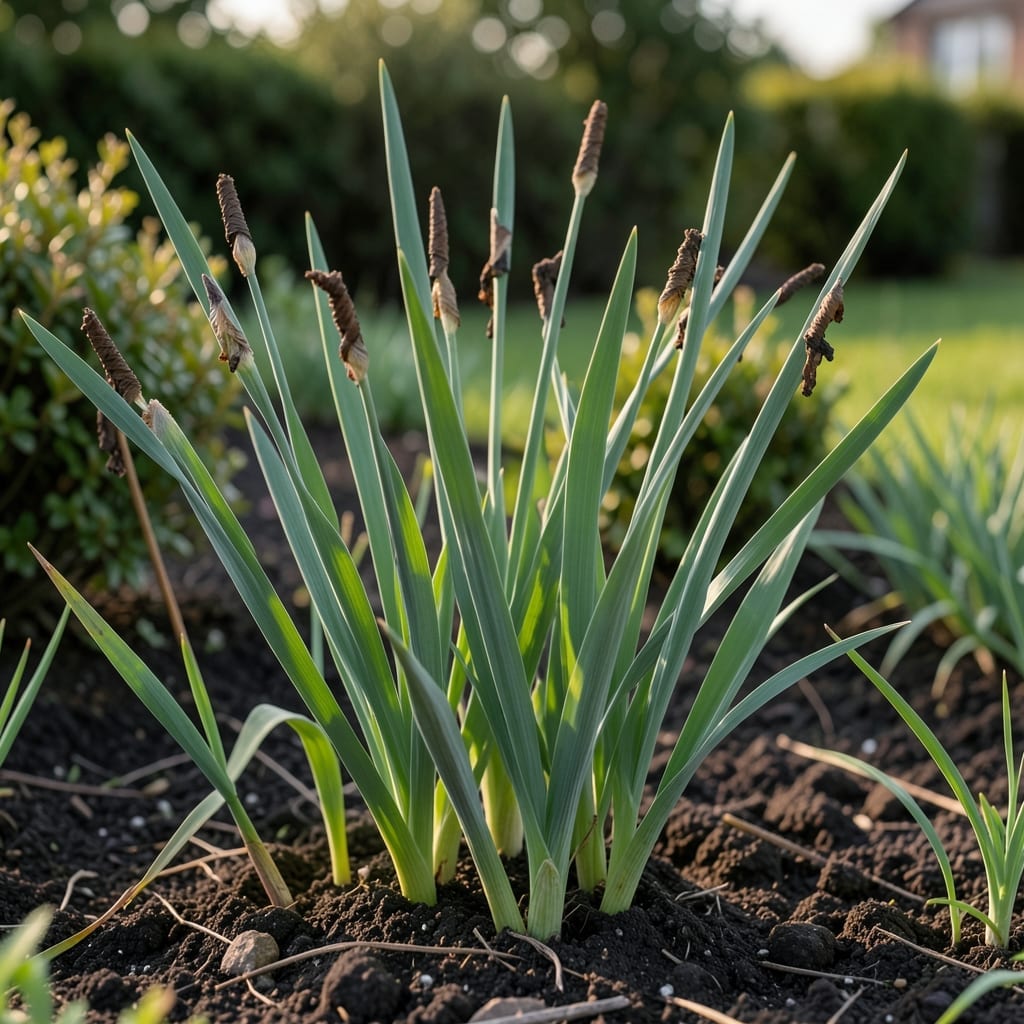
Last spring, my irises looked healthy but refused to flower. Turns out, they were overcrowded and starving for sunlight under that big oak tree.
I dug them up, split the rhizomes, and moved half to a sunnier spot. Within weeks, the leaves perked up and new buds appeared.
You’ll see the same revival if you address the root cause—whether it’s too much shade, poor drainage, or neglected division.
The fix takes one afternoon and sets them up for years of blooms.
When your irises refuse to bloom, the issue often traces back to a few key environmental or care-related factors. Here’s what’s likely happening:
Irises multiply quickly, and if the rhizomes (thick underground stems) become too crowded, they compete for nutrients and water. This stress suppresses flowering. Clumps older than 3–4 years are prime suspects. Dig up and divide them every few years to restore vigor.
These plants need 6–8 hours of full sun daily to trigger bloom production. Shade from trees, buildings, or even taller plants can starve them of the light energy required for flowering. Relocate rhizomes to a sunnier spot if your garden has grown shadier over time.
Irises hate wet feet. Soggy soil or poor drainage leads to rhizome rot, which stunts growth and prevents blooms. Ensure planting beds have well-draining soil and avoid excessive watering, especially in heavy clay soils.
Too much high-nitrogen fertilizer promotes lush foliage at the expense of flowers. Use a balanced, low-nitrogen fertilizer (e.g., 6-10-10) in early spring and again after blooming to encourage next year’s flowers. Phosphorus is key for bloom development.
If flower buds were forming but a late frost hit, the damage may have aborted blooms. Mulch lightly in fall to protect rhizomes, and avoid planting in low-lying areas where cold air settles.
If your irises didn’t bloom this season, don’t worry—there’s often a simple fix. Below are targeted solutions for the most common causes, along with prevention tips to keep them flourishing next year.
Irises need at least 6 hours of direct sunlight daily. If they’re in shade, move them to a sunnier spot or trim nearby trees/bushes blocking light. Prevention tip: 💡 Plant new irises in full-sun areas from the start.
Soggy soil causes rot, which stops blooming. Ensure your irises are in well-draining soil and water only when the top inch is dry. Prevention tip: 🌡️ Add compost or sand to improve drainage before planting.
Too much nitrogen = lush leaves, no flowers. Use a balanced fertilizer (6-10-10 or 5-10-10) in early spring and again after blooming. Prevention tip: ✨ Avoid high-nitrogen fertilizers; opt for phosphorus-rich options to boost blooms.
Irises bloom best when rhizomes have space. Every 3–4 years, dig up clumps, discard old centers, and replant healthy rhizomes 12–24 inches apart. Prevention tip: 🎯 Mark your calendar to divide them regularly.
If frost nipped emerging buds, they won’t open. Next spring, cover plants with mulch or frost cloth during cold snaps. Prevention tip: 🌨️ Plant in sheltered spots or delay mulch removal until frost risk passes.
With these fixes, your irises should bounce back next season—bigger and bolder than ever!
Divide every 3–4 years to prevent overcrowding. Older clumps compete for nutrients, which can stop blooming.
Yes! Irises need 6–8 hours of sunlight daily. Shade from trees or buildings can starve them of light needed for flowering.
Use a low-nitrogen fertilizer (6-10-10). Too much nitrogen promotes leaves, while phosphorus encourages flower production.
This often signals overcrowding or nutrient imbalance. Check for crowded rhizomes and switch to a bloom-boosting fertilizer.