
Beautiful Plants For Your Interior
Beautiful Plants For Your Interior
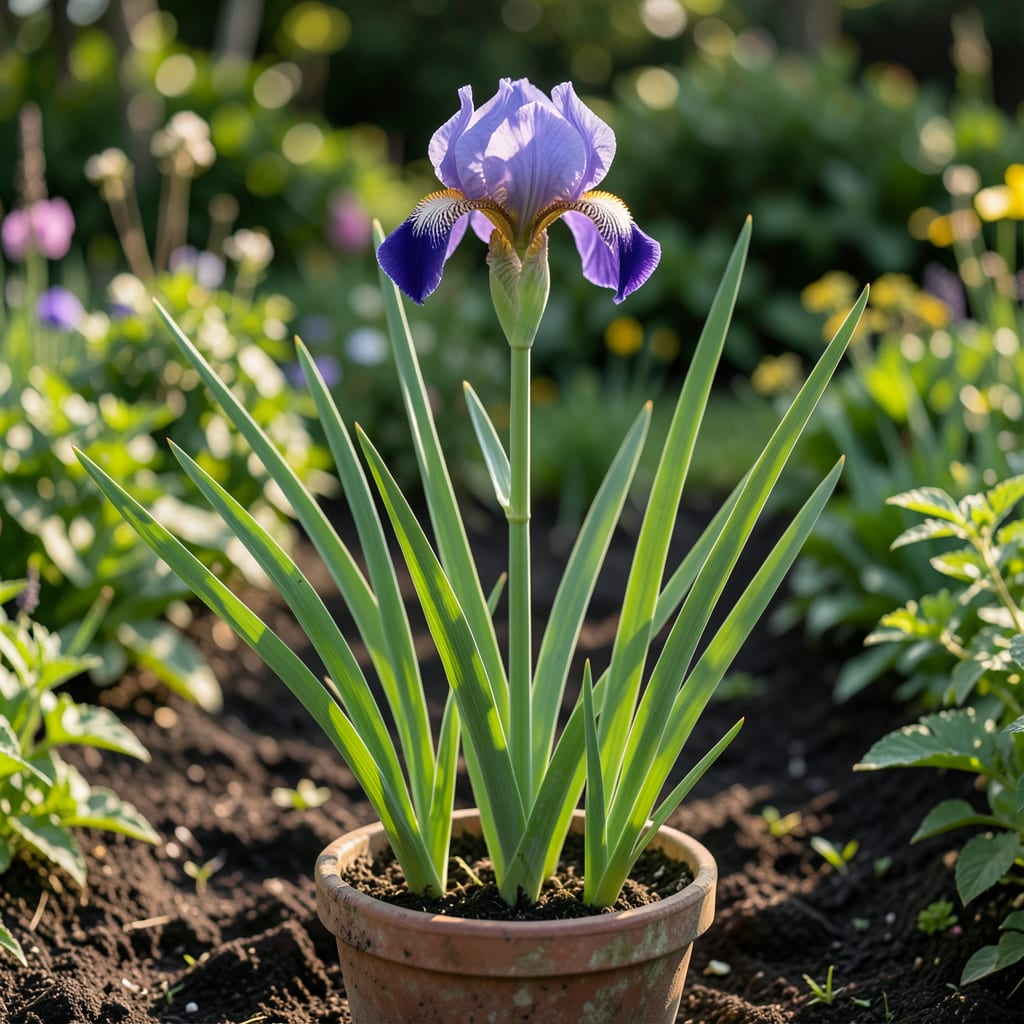
As I watch my Irises 💐 bloom in the garden, I’m always amazed by their beauty. But have you ever wondered how long they’ll keep flowering? The blooming period varies depending on factors like the type of Iris and growing conditions in your USDA Zone 6 garden.
Let’s explore what affects their blooming duration and how to make the most of their flowering season. By understanding these factors, you’ll be able to enjoy your Irises for longer and make informed decisions about your garden care.
Irises are one of the most stunning flowers in any garden, and understanding their blooming period can help you maximize their beauty throughout the growing season. The duration of their bloom varies depending on several factors, including the type of Iris and growing conditions.
Different types of Irises have distinct flowering durations. For example, Bearded Irises typically bloom for 3-5 weeks, while Siberian Irises bloom for 2-4 weeks. Japanese Irises, on the other hand, have a slightly longer blooming period of 4-6 weeks. 🌼
Several factors can influence the length of the blooming period, including climate, soil quality, and sunlight exposure. Irises generally thrive in full sun and well-draining soil, which can help extend their blooming period. By understanding these factors, you can create an optimal environment for your Irises to flourish.
The blooming cycle of Irises is also influenced by factors like temperature and moisture levels. In general, Irises tend to bloom in the spring or summer, depending on the variety. By understanding the specific needs of your Iris variety, you can optimize their growing conditions to promote a longer blooming period.
In addition to the type of Iris and growing conditions, proper care can also impact the blooming period. This includes practices like deadheading, fertilizing, and dividing the rhizomes. By following these best practices, you can help extend the blooming period and enjoy your Irises for longer.
To further understand the blooming periods of different Iris varieties, let’s examine some specific examples. Dutch Irises, for instance, have a relatively short blooming period of 1-2 weeks, while Louisiana Irises can bloom for 4-6 weeks. By understanding these differences, you can choose the right variety for your garden and plan accordingly.
It’s also worth noting that Irises are perennial flowers, meaning they come back year after year. With proper care and maintenance, you can enjoy your Irises for many years to come. By understanding their blooming periods and cycles, you can create a beautiful and thriving garden that showcases these stunning flowers.
By providing your Irises with the right growing conditions and care, you can help extend their blooming period and enjoy their beauty for longer. Whether you’re a seasoned gardener or just starting out, understanding the blooming periods and cycles of Irises can help you make the most of these gorgeous flowers.
In conclusion, the blooming period of Irises varies depending on several factors, including the type of Iris and growing conditions. By understanding these factors and providing proper care, you can help extend the blooming period and enjoy your Irises for longer. With the right knowledge and techniques, you can create a stunning garden that showcases these beautiful flowers.
By following the tips and guidelines outlined in this guide, you can optimize the growing conditions for your Irises and enjoy a longer blooming period. Whether you’re looking to create a beautiful garden or simply want to learn more about these stunning flowers, understanding their blooming periods and cycles is key.
To maximize your Iris blooming season, it’s essential to understand the optimal growing conditions and care techniques that promote longer flowering. By implementing these strategies, you can enjoy your Irises for a more extended period.
One effective way to extend the blooming season is by planting multiple Iris varieties with different flowering times. This approach ensures a continuous display of blooms throughout the growing season. For example, you can plant early-blooming, mid-season, and late-blooming varieties to create a staggered blooming effect 🌼.
Select a spot that receives full sun (at least 6 hours of direct sunlight) and has well-draining soil. This will help promote healthy growth and blooming.
Water your Irises regularly during the growing season, and fertilize after blooming with a low-nitrogen fertilizer (5-10-10 NPK). This will promote healthy growth and encourage reblooming.
Deadhead your Irises after blooming to encourage the plant to focus energy on reblooming. Divide the rhizomes every 3-4 years to maintain plant health and promote new growth.
In addition to these tips, consider companion planting with other flowers that bloom at different times to create a dynamic and interesting garden display. By combining these strategies, you can enjoy a longer and more vibrant Iris blooming season.
By implementing these techniques, you can extend the blooming period of your Irises and enjoy their beauty for a longer time. Whether you’re a seasoned gardener or just starting out, these tips will help you make the most of your Iris plants.
To further enhance your Iris blooming season, consider mulching around the plants to retain moisture and suppress weeds. This will help create a more favorable growing environment and promote healthy blooming.
By following these guidelines and tips, you can create a stunning Iris display that will bloom for a more extended period, adding beauty and vibrancy to your garden.
With proper care and attention, your Irises will continue to thrive and bloom for years to come, providing a delightful display of color and beauty in your garden 🌸.
When growing Irises, it’s essential to avoid common mistakes that can shorten their blooming period. By understanding what to avoid, you can help extend the flowering duration and enjoy your Irises for longer.
One of the most significant mistakes gardeners make is improper care. This includes failing to deadhead the flowers after blooming, which can encourage the plant to focus energy on reblooming. Additionally, not dividing the rhizomes every 3-4 years can lead to overcrowding, reducing the blooming period.
Failing to deadhead, not dividing rhizomes, and poor soil conditions can all shorten the blooming period of your Irises. By avoiding these mistakes, you can help extend the flowering duration.
Poor soil conditions are another common mistake that can affect Iris blooming. Irises prefer well-draining soil with a slightly acidic to neutral pH. If the soil is too dense or prone to waterlogging, it can lead to root rot and reduce the blooming period.
In addition to these mistakes, inadequate sunlight can also impact Iris blooming. Irises require full sun to produce plenty of blooms. If they’re not receiving enough sunlight, the blooming period may be shorter.
To avoid these common mistakes,
By being aware of these common mistakes and taking steps to avoid them, you can create a thriving Iris garden that blooms for a more extended period. Whether you’re a seasoned gardener or just starting out, understanding what to avoid can help you make the most of your Iris plants.
In summary, avoiding common mistakes like improper care, poor soil conditions, and inadequate sunlight can help extend the blooming period of your Irises. By providing the right growing conditions and care, you can enjoy a longer and more vibrant Iris blooming season.
Different Iris varieties have distinct blooming periods. Bearded Irises bloom for 3-5 weeks, while Siberian Irises bloom for 2-4 weeks. Japanese Irises have a longer blooming period of 4-6 weeks.
Several factors can influence the blooming period, including climate, soil quality, and sunlight exposure. Irises thrive in full sun and well-draining soil, which can help extend their blooming period.
Planting multiple Iris varieties with different flowering times can help extend the blooming season. You can also deadhead your Irises after blooming and divide the rhizomes every 3-4 years to promote healthy growth and reblooming.
Common mistakes include improper care, such as failing to deadhead or divide the rhizomes, and poor soil conditions. Irises prefer well-draining soil with a slightly acidic to neutral pH.
