
Beautiful Plants For Your Interior
Beautiful Plants For Your Interior
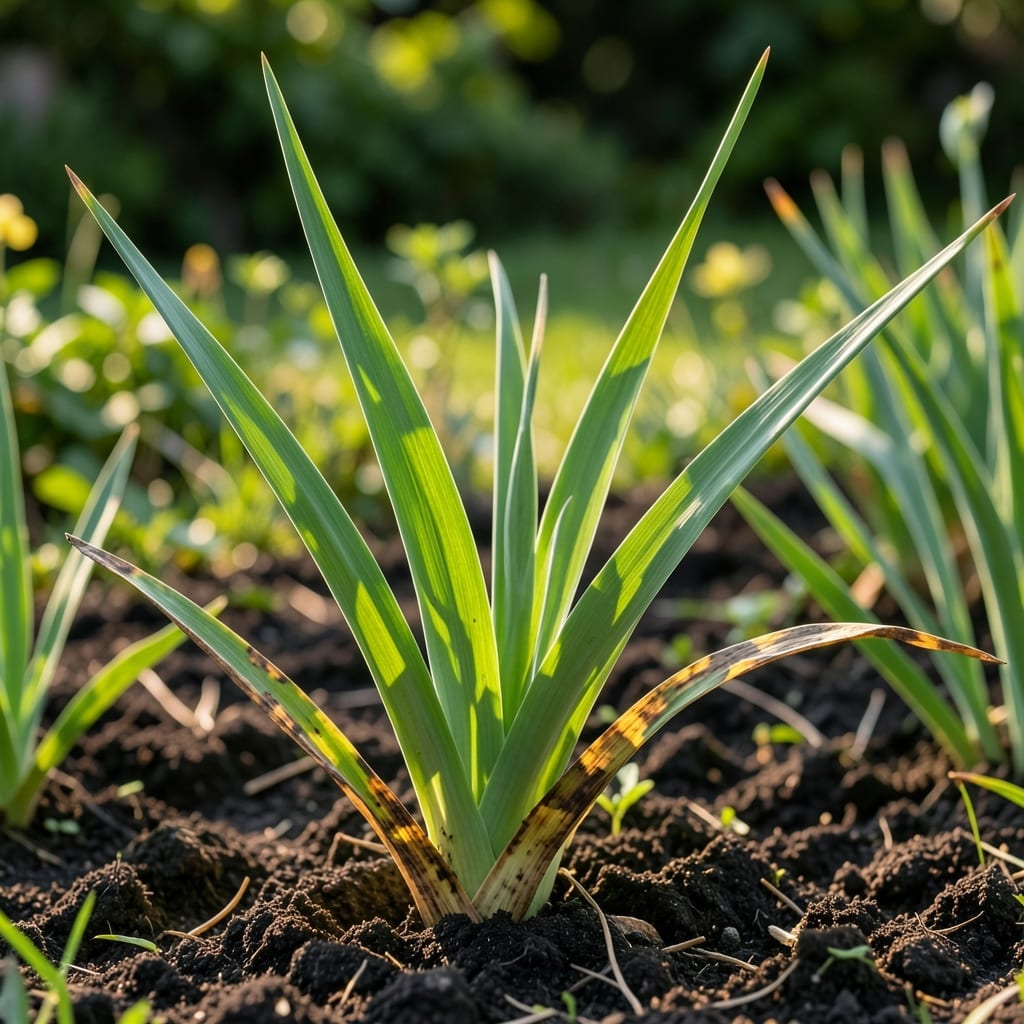
Nothing stings like watching irises produce lush green leaves but zero blooms. I’ve stood in my garden many springs wondering why these tough plants suddenly became shy about flowering.
The usual suspects are surprisingly simple: too much shade, crowded rhizomes, or planting too deep. Each of these silently robs your irises of the energy they need to create those stunning blooms.
Here’s the thing—fixing this often takes just one adjustment. Move them to 6+ hours of sun, divide overgrown clumps, or expose the rhizome tops. The change can be dramatic.
You’ll know it worked when those flower stalks push through the soil next season. Patience pays off with irises.
If your irises aren’t blooming, it’s usually due to a combination of environmental, nutritional, or care-related factors. Here’s a breakdown of the most common causes:
Irises thrive when their rhizomes (thick underground stems) have space to spread. When they become overcrowded, typically after 3–5 years, the plants focus on producing foliage rather than flowers. This is because the competition for nutrients and water stifles bloom production. Solution: Divide clumps every 3–4 years in late summer to rejuvenate growth.
Irises require full sun (at least 6–8 hours of direct sunlight daily) to trigger blooming. Shade from trees, buildings, or even nearby plants can disrupt their photosynthetic process, leading to weak or absent flowers. Solution: Relocate rhizomes to a sunnier spot or prune surrounding vegetation to improve light exposure.
Too much or too little water can stress irises. Overwatering leads to rot and poor nutrient uptake, while underwatering starves the rhizomes of essential moisture. Both scenarios divert energy away from blooming. Solution: Water deeply once a week (more in extreme heat) and ensure well-draining soil to prevent soggy conditions.
Irises are light feeders, but a lack of key nutrients—particularly phosphorus (critical for flowering)—can prevent blooms. Over-fertilizing with nitrogen (which promotes leaf growth) can also tip the balance. Solution: Use a low-nitrogen, high-phosphorus fertilizer (e.g., 6-10-10) in early spring and again after blooming.
A sudden late frost can damage emerging flower buds, especially in reblooming varieties. If buds are nipped by cold, the plant may skip blooming that season to recover. Solution: Cover plants with frost cloth if cold snaps are forecasted after new growth appears.
If your iris isn’t blooming, don’t worry—there’s usually a simple fix. Below are targeted solutions for the most common causes, along with tips to keep your irises thriving year after year.
Irises need 6-8 hours of full sun daily. If yours are in the shade, move them to a sunnier spot in early fall or late summer. Can’t relocate? Trim back nearby trees or shrubs blocking light. Prevention tip: 💡 Plant new irises in a south-facing bed where they’ll get uninterrupted sunlight.
Soggy roots rot, and irises hate wet feet. If your soil stays wet, improve drainage by amending with compost or sand. Water only when the top inch of soil is dry, and avoid overhead watering. Prevention tip: 🌡️ Plant in raised beds if your garden has heavy clay soil.
Irises bloom best with low-nitrogen fertilizer (e.g., 6-10-10). Apply in early spring and again after blooming. Avoid high-nitrogen feeds, which promote leaves over flowers. Prevention tip: ✨ Divide clumps every 3-4 years to prevent nutrient competition.
Rhizomes (thick roots) should sit partially exposed to sunlight. If buried too deep, dig them up and replant so the top is visible. Prevention tip: 🎯 Plant new rhizomes in shallow holes, spacing them 12-24 inches apart.
When clumps get too dense, they stop blooming. Dig up the rhizomes in late summer, discard the old center, and replant the healthy outer sections. Prevention tip: 🔥 Label divided rhizomes to track their age and health.
With these fixes, your irises should bounce back next season—just be patient, as some adjustments (like relocating) take time to show results!
Divide every 3-4 years to prevent overcrowding. Late summer is ideal, as it gives roots time to establish before winter.
They may survive but won’t thrive. For reliable blooms, ensure at least 6-8 hours of direct sunlight daily.
This usually means they’re focusing energy elsewhere. Check for overcrowding, too much shade, or excess nitrogen in the soil.
Yes! Trim flower stalks to the base but leave foliage until it yellows. This helps store energy for next year’s blooms.