
Beautiful Plants For Your Interior
Beautiful Plants For Your Interior
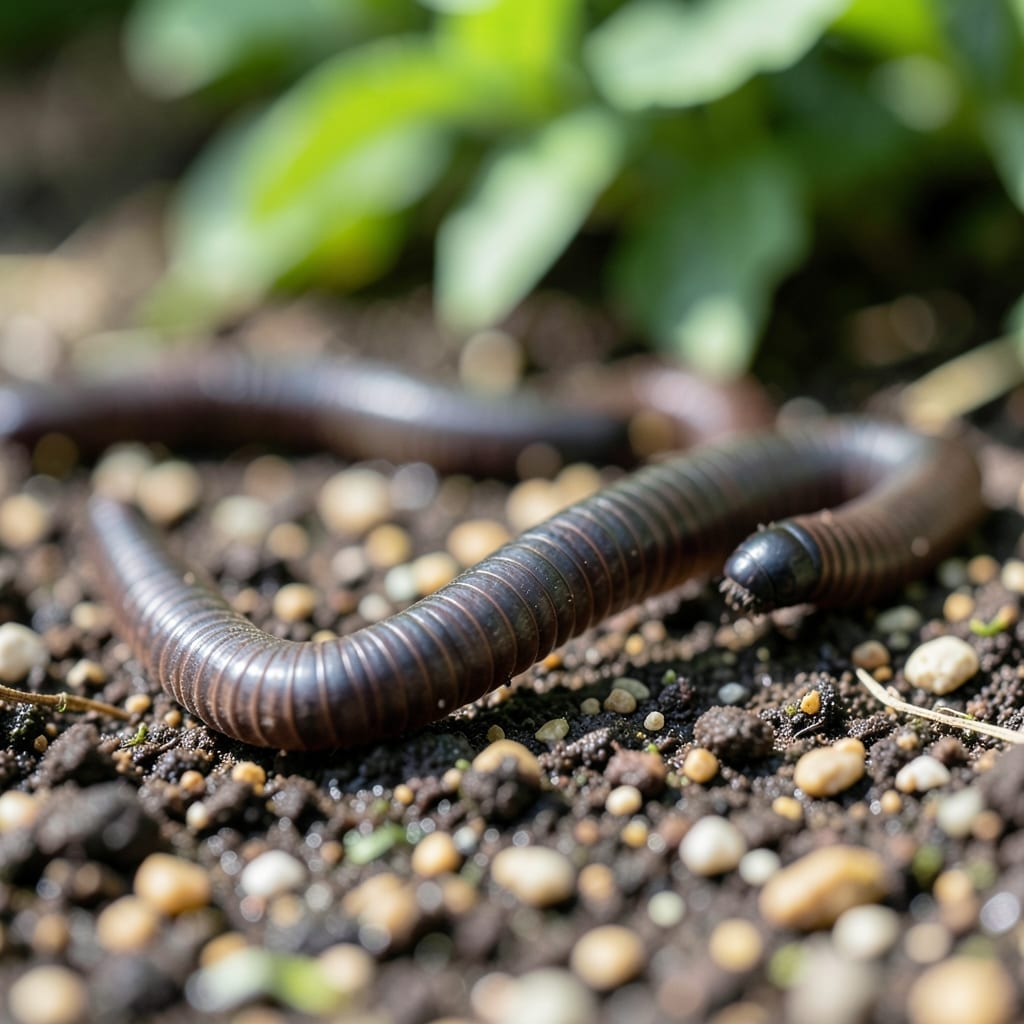
I spotted my first hammerhead worm last summer and nearly dropped my trowel. These flat, ribbon-like pests with their distinctive heads are spreading fast through gardens, and they’re bad news for your soil ecosystem.
They outcompete beneficial earthworms and can disrupt plant health without you even realizing it. The good news? You can remove them safely without chemicals—just a little know-how and the right technique.
No fancy equipment needed. A simple salt solution or citric acid does the trick, and you’ll see results immediately. The key is acting fast before they multiply.
Works for any garden, big or small. Here’s how to handle them the right way.
The rapid expansion of hammerhead worms, particularly the Bipalium kewense species, is driven by several interconnected factors. Understanding these causes can help gardeners and homeowners take targeted action to prevent further infestation.
One of the primary reasons for their spread is accidental human activity. These worms often hitchhike in potted plants, soil, or compost traded across regions or countries. Even garden tools, shoes, or vehicles can carry worm fragments or eggs, introducing them to new environments. Always inspect and quarantine new plants before integrating them into your garden.
Hammerhead worms thrive in moist, warm, and shaded areas, such as under mulch, leaf litter, or dense vegetation. Their preference for high humidity and organic-rich soil allows them to establish themselves quickly in gardens, greenhouses, and even urban landscapes. Overwatering or poor drainage can create perfect breeding grounds for these invasives.
Unlike many worms, hammerhead worms reproduce asexually through fragmentation. Even a small piece of their body can regenerate into a new individual, making them incredibly resilient. This means that improper removal—such as chopping them with a shovel—can accidentally multiply their numbers rather than reduce them.
In their native habitats, these worms have natural predators that keep their populations in check. However, in invasive regions like the U.S., they face fewer threats, allowing their numbers to grow unchecked. Without competition or predation, they can dominate the ecosystem, outcompeting native species for resources.
Dealing with invasive hammerhead worms in your garden can feel overwhelming, but there are effective, chemical-free solutions to tackle the problem. Below are practical steps to remove and prevent these pests without harming your plants or the environment.
If you spot hammerhead worms, the simplest method is manual removal. Use gloves or a damp cloth to pick them up—these worms secrete a mild irritant, so avoid direct contact. Drop them into a sealed container with soapy water or vinegar to ensure they don’t escape or reproduce. This method is immediate and works well for small infestations.
Encourage natural predators like ground beetles, birds, or centipedes, which feed on hammerhead worms. Create a welcoming habitat by leaving leaf litter, installing birdhouses, or adding mulch. This long-term strategy helps maintain balance in your garden ecosystem.
By combining immediate action with preventive measures, you can keep your garden free of invasive hammerhead worms—naturally and safely.
They pose no direct threat, but they secrete a mild irritant. Always wear gloves when handling them to avoid skin irritation. Pets typically avoid them, but supervision is wise.
Cutting fragments their bodies, and each piece can regrow into a new worm. This accidentally multiplies the problem instead of solving it.
Look for the flat, ribbon-like body and distinctive hammer-shaped head. Earthworms are round and lack this head shape.
They may return if conditions remain ideal. Focus on prevention: reduce moisture, clear debris, and inspect new plants. Consistency is key.