
Beautiful Plants For Your Interior
Beautiful Plants For Your Interior
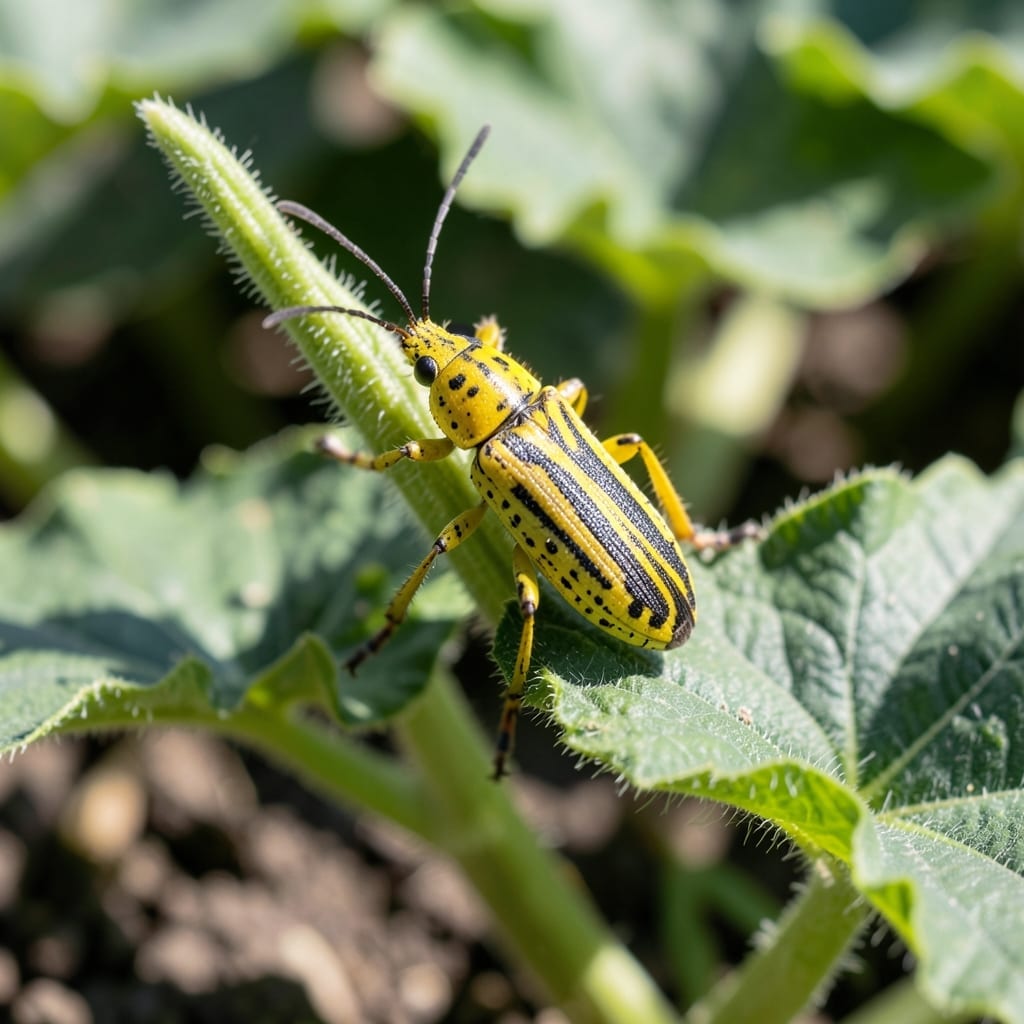
Squash plants under siege usually show it fast. I’ve lost entire crops to overnight munching, but now I spot the early warning signs before it’s too late.
The usual suspects leave distinct calling cards: chewed leaves, wilting vines, or sticky residue. Catching them early means the difference between a full harvest and a total loss. Most gardeners miss the first signs until it’s already spreading.
Organic solutions work better than you’d expect. Hand-picking, neem oil, and companion planting disrupt the life cycle without harsh chemicals. My zucchini patch stayed untouched last season using just these methods.
Prevention beats treatment every time. Healthy soil, proper spacing, and regular inspections keep pests from gaining a foothold in the first place.
Squash plants are a prime target for certain insects due to several biological and environmental factors. Understanding these causes can help you take proactive steps to protect your garden.
Squash plants are packed with nutrients, including nitrogen, phosphorous, and potassium, which are essential for their rapid growth. Insects like squash bugs and cucumber beetles are drawn to these nutrients, especially during the early stages of plant development. The soft, tender leaves and stems of young squash plants are particularly vulnerable to feeding.
The leaves and stems of squash plants are soft and succulent, making them easy for insects to pierce and consume. Additionally, squash plants have high moisture content, which attracts pests like aphids and whiteflies. These insects feed on the plant sap, weakening the plant and potentially spreading diseases.
Squash plants emit volatile organic compounds (VOCs) that can attract certain insects from a distance. For example, the scent of squash blossoms and foliage can lure striped cucumber beetles, which are known carriers of bacterial wilt—a deadly disease for squash plants. This natural chemical signaling makes squash plants a beacon for pests.
Warm, humid environments—ideal for growing squash—also create perfect conditions for insect infestations. Many squash-eating insects thrive in these climates, reproducing rapidly and overwhelming plants if left unchecked. Overcrowded gardens or poor air circulation can exacerbate the problem by providing shelter and breeding grounds for pests.
Dealing with pests on your squash plants can feel overwhelming, but these practical fixes and prevention tips will help you reclaim your garden. 💡
Handpick adult bugs and their egg clusters (bronze, oval eggs on leaf undersides) in the early morning when they’re sluggish. Drop them in soapy water to ensure they don’t return. For prevention, lay reflective mulch or row covers early in the season to deter adults from laying eggs. Neem oil (applied weekly) disrupts their life cycle.
Use yellow sticky traps to catch adults before they feed or lay eggs. Apply kaolin clay spray to leaves—it creates a protective film that deters beetles. Rotate crops yearly to break their life cycle, and plant radishes or nasturtiums nearby as trap crops.
Blast mites off leaves with a strong water spray early in the day to avoid fungal issues. For severe infestations, use insecticidal soap (apply every 3–4 days until gone). Prevent outbreaks by keeping plants well-watered—mites thrive in dry conditions. Pro tip: Introduce predatory mites (like Phytoseiulus persimilis) for long-term control. ✨
Spray aphids off with water or wipe leaves with a soapy water solution (1 tsp mild soap per quart of water). Encourage natural predators like ladybugs and lacewings by planting dill, fennel, or yarrow nearby. Avoid over-fertilizing with nitrogen, which attracts aphids.
Look for ragged holes, yellowing spots, or sticky residue on leaves. Squash bugs leave brown eggs on undersides, while cucumber beetles create small, round holes. Check daily for early signs.
Handpick adults and egg clusters in the early morning when they’re slow. Drop them in soapy water. For large infestations, use neem oil weekly.
Yes! Plant marigolds, basil, or nasturtiums nearby to deter pests naturally. Radishes act as trap crops for cucumber beetles. This method reduces chemical needs.
Many insects overwinter in garden debris. Remove plant residue in fall and rotate crops yearly to break their life cycle. Healthy soil also boosts plant resistance.