
Beautiful Plants For Your Interior
Beautiful Plants For Your Interior
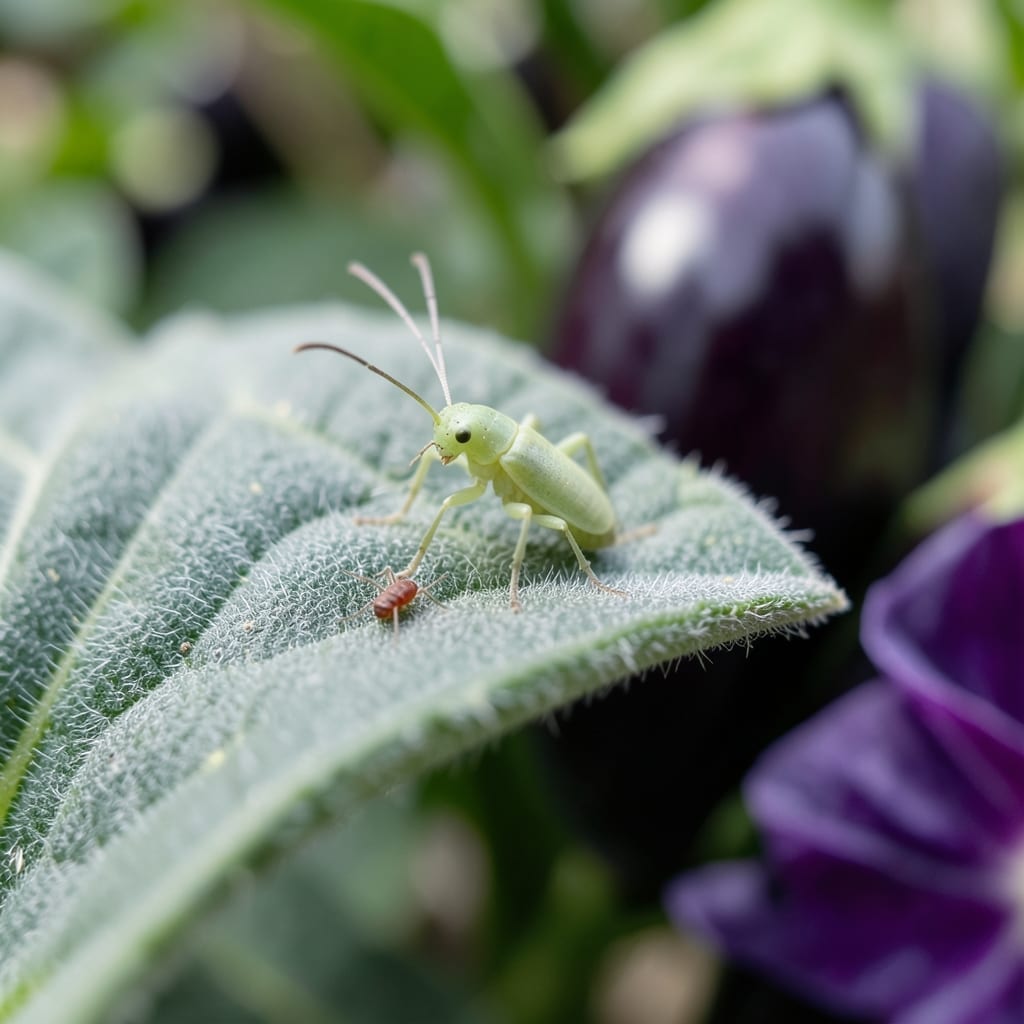
I spotted the first holes on my eggplant leaves last Tuesday. Tiny, dark beetles were the culprits—Japanese beetles, to be exact. They skeletonize leaves overnight if left unchecked.
This isn’t just about beetles. Aphids, flea beetles, and spider mites love eggplants too. Each leaves a distinct calling card: curled leaves, tiny white dots, or webbing between stems.
You can fight back without chemicals. Handpick pests early morning, blast them off with water, or introduce beneficial insects like ladybugs. Neem oil works too for organic control.
Prevention beats cure. Healthy soil, proper spacing, and crop rotation keep most problems away. Your eggplants will thank you with bigger harvests and lush foliage.
Understanding why insects target eggplant leaves starts with recognizing the plant’s natural vulnerabilities and environmental triggers. Below are the primary causes, explained scientifically but practically.
Eggplant leaves are rich in sap, nitrogen, and sugars, which attract sap-sucking pests like aphids and whiteflies. These insects pierce leaf tissues to access the nutrient-dense sap, weakening the plant and leaving behind sticky honeydew. The higher the nitrogen levels (often from over-fertilization), the more appealing the leaves become to pests.
Excess moisture creates a breeding ground for fungus gnats and soft-bodied insects. Overwatered soil reduces oxygen at the roots, stressing the plant and making it more susceptible to infestations. Additionally, damp foliage invites pests like slugs and snails, which chew on leaves overnight.
Eggplants in monoculture gardens or treated with broad-spectrum pesticides often lack beneficial insects (e.g., ladybugs, lacewings). Without these predators, pest populations like spider mites and beetles explode unchecked. Even organic gardens can suffer if companion planting (e.g., marigolds, basil) isn’t used to deter invaders.
Heatwaves, drought, or sudden temperature drops stress eggplants, lowering their natural defenses. Stressed plants emit volatile organic compounds (VOCs) that signal weakness to pests. For example, flea beetles are drawn to drought-stressed plants, while thrips thrive in hot, dry conditions.
Addressing these root causes—through balanced fertilization, proper watering, biodiversity, and stress management—can significantly reduce insect infestations.
Dealing with pests on your eggplant foliage doesn’t have to mean reaching for harsh chemicals. Below are targeted, natural fixes for the most common culprits, plus ways to keep them from coming back.
Use a strong stream of water from your hose to knock aphids off the leaves. Follow up with a spray of soapy water (1 tsp mild liquid soap per quart of water) to dissolve their protective coating. For prevention, encourage ladybugs—natural aphid predators—by planting nectar-rich flowers nearby. 💡 Pro tip: Apply soapy water in the early morning or late evening to avoid leaf burn.
These tiny pests thrive in dry conditions. Mist your eggplant leaves regularly to deter them, or use a neem oil spray (mix 2 tbsp neem oil with 1 gallon of water and a few drops of dish soap). To prevent future outbreaks, keep the garden bed mulched to retain moisture and reduce dust, which mites love.
Check leaves daily and remove beetles by hand, dropping them into soapy water. For larger infestations, set up yellow sticky traps or use kaolin clay spray to create a barrier they’ll avoid. 🌱 Prevention tip: Rotate crops yearly to disrupt beetle life cycles.
Surround your eggplants with copper tape or crushed eggshells—these create a sharp barrier slugs won’t cross. You can also set out beer traps (bury a shallow dish filled with beer at soil level). For prevention, keep the garden free of debris where slugs hide during the day.
Consistency is key! Combine these methods for the best results and enjoy healthier, pest-free eggplant leaves. ✨ Bonus: Always inspect new plants before bringing them into your garden to avoid introducing pests.
Look for specific signs: tiny holes mean flea beetles, sticky residue suggests aphids, while webbing indicates spider mites. A magnifying glass helps spot small pests like thrips.
Ladybugs eat aphids, lacewings target many soft-bodied insects, and parasitic wasps attack beetle larvae. Plant flowers like marigolds or dill to attract these beneficial insects.
Start with a strong water spray to dislodge pests, then apply neem oil or insecticidal soap. Always test on a small area first and apply in the evening.
Check your plants at least twice weekly, ideally in the morning when pests are most active. Early detection makes treatment easier and prevents major damage.