
Beautiful Plants For Your Interior
Beautiful Plants For Your Interior
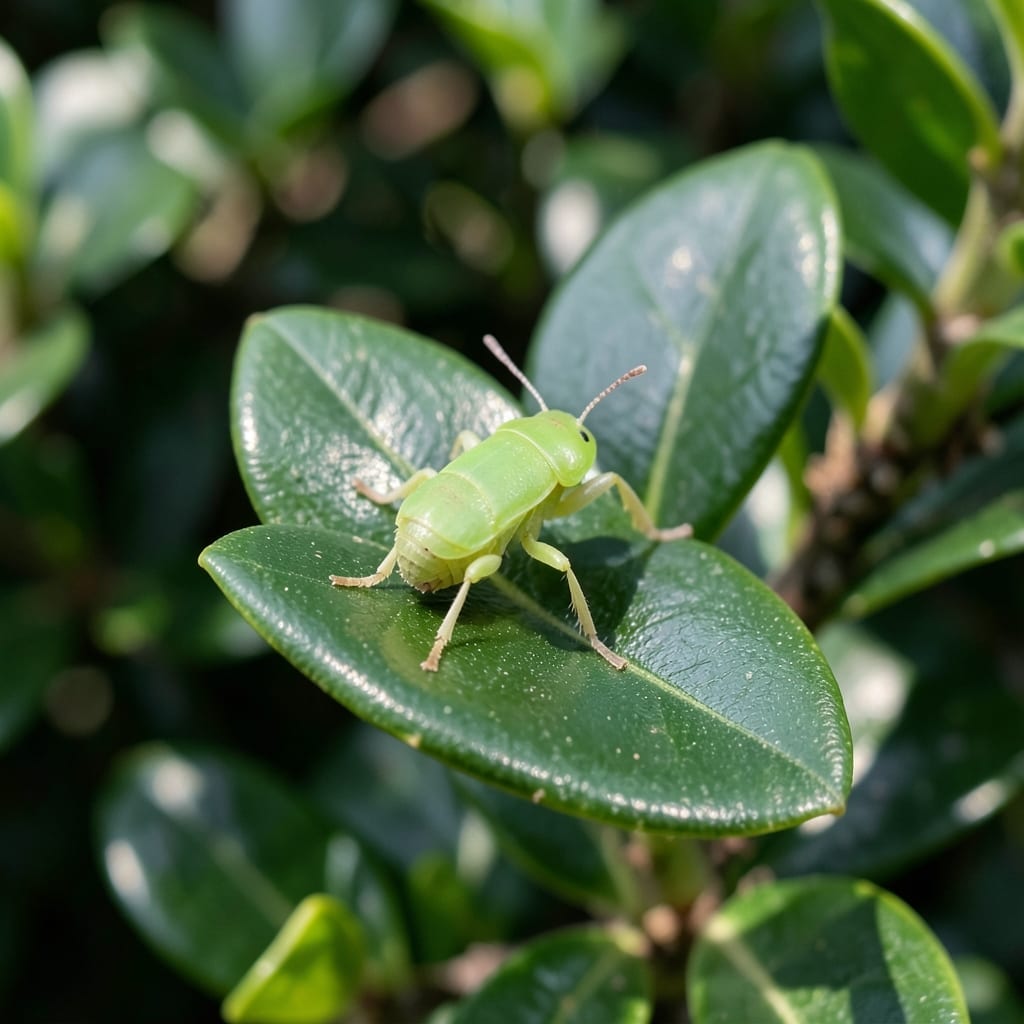
Boxwoods are tough plants, but even they have their limits. I’ve seen healthy shrubs turn into skeletonized messes overnight because of tiny invaders that go unnoticed until it’s almost too late.
Here’s the thing—most pests leave clear signs if you know where to look. Yellowing leaves, webbing, or sticky residue are your first clues. Catching them early means the difference between a quick fix and a full-scale rescue mission.
You’ll learn to spot the usual suspects—leafminers, mites, and psyllids—before they take over. And the best part? Many treatments use items already in your garage or garden shed.
Prevention starts with strong, healthy plants and a little vigilance. Keep them well-fed and watered, and you’ve already won half the battle.
Boxwoods are a favorite target for insects due to their dense foliage and rich sap, but several specific factors make infestations more likely. Understanding these root causes helps you prevent and address them effectively.
Stressed plants are magnet for pests. Over- or under-watering, compacted soil, and improper pruning weaken boxwoods, making them vulnerable. For example, root stress from drought reduces the plant’s ability to produce defensive chemicals, inviting sap-sucking insects like boxwood psyllids and spider mites.
Boxwoods planted too closely or in shaded, humid areas trap moisture. This creates a perfect breeding ground for fungus gnats and boxwood leafminers, which thrive in damp, stagnant environments. Prune regularly to improve airflow and reduce humidity around the foliage.
Nearby infested plants or untreated garden debris can spread insects to your boxwoods. For instance, boxwood mites and scale insects often hitch a ride on tools, animals, or wind. Inspect new plants before introducing them to your garden and remove fallen leaves to limit hiding spots for pests.
Soil lacking essential nutrients (like nitrogen or potassium) weakens boxwoods, reducing their natural pest resistance. Conduct a soil test to identify deficiencies and amend with organic fertilizers to bolster plant health. Healthy boxwoods can better fend off invaders like aphids and whiteflies.
Dealing with pests on your boxwoods doesn’t have to be a losing battle. Here’s how to tackle common culprits with practical, step-by-step solutions—and keep them from coming back.
If you spot clusters of tiny green or black bugs or sticky residue (honeydew) on leaves, aphids are likely the issue. Fix: Spray them off with a strong jet of water from your hose, focusing on the undersides of leaves. For stubborn infestations, apply insecticidal soap or neem oil every 5–7 days until they’re gone. Prevention tip: 💡 Encourage natural predators like ladybugs by planting companion flowers nearby.
When leaves look blistered or discolored, leafminers have likely laid eggs inside. Fix: Prune and destroy infested foliage (don’t compost it!). For severe cases, use a systemic insecticide labeled for leafminers in early spring before new growth appears. Prevention tip: ✨ Inspect new plants before bringing them home to avoid introducing pests.
Fine webbing and speckled, yellowing leaves signal spider mites. Fix: Spray plants with water daily to disrupt their lifecycle, or use horticultural oil for heavy infestations. Avoid pesticides, as they can kill mites’ natural predators. Prevention tip: 🌡️ Keep boxwoods well-hydrated—mites thrive in hot, dry conditions.
If new leaves curl or form cup-like growths, psyllids are the likely cause. Fix: Prune and remove affected shoots. Apply dormant oil in late winter to smother eggs before they hatch. Prevention tip: 🔥 Maintain good airflow around plants by spacing them properly.
For all pests, early detection is your best defense. Regularly inspect your boxwoods, especially in spring and early summer, to catch issues before they escalate.
Look for yellowing leaves, fine webbing, or sticky residue on foliage. These often indicate aphids, mites, or psyllids at work.
Check boxwoods weekly in spring and summer, focusing on leaf undersides and new growth. Early detection prevents major outbreaks.
Yes! A strong water spray removes many pests, while neem oil or insecticidal soap targets stubborn ones. Always test on a small area first.
Pests often hide in garden debris or nearby plants. Remove fallen leaves, improve airflow, and treat neighboring shrubs to break the cycle.