
Beautiful Plants For Your Interior
Beautiful Plants For Your Interior
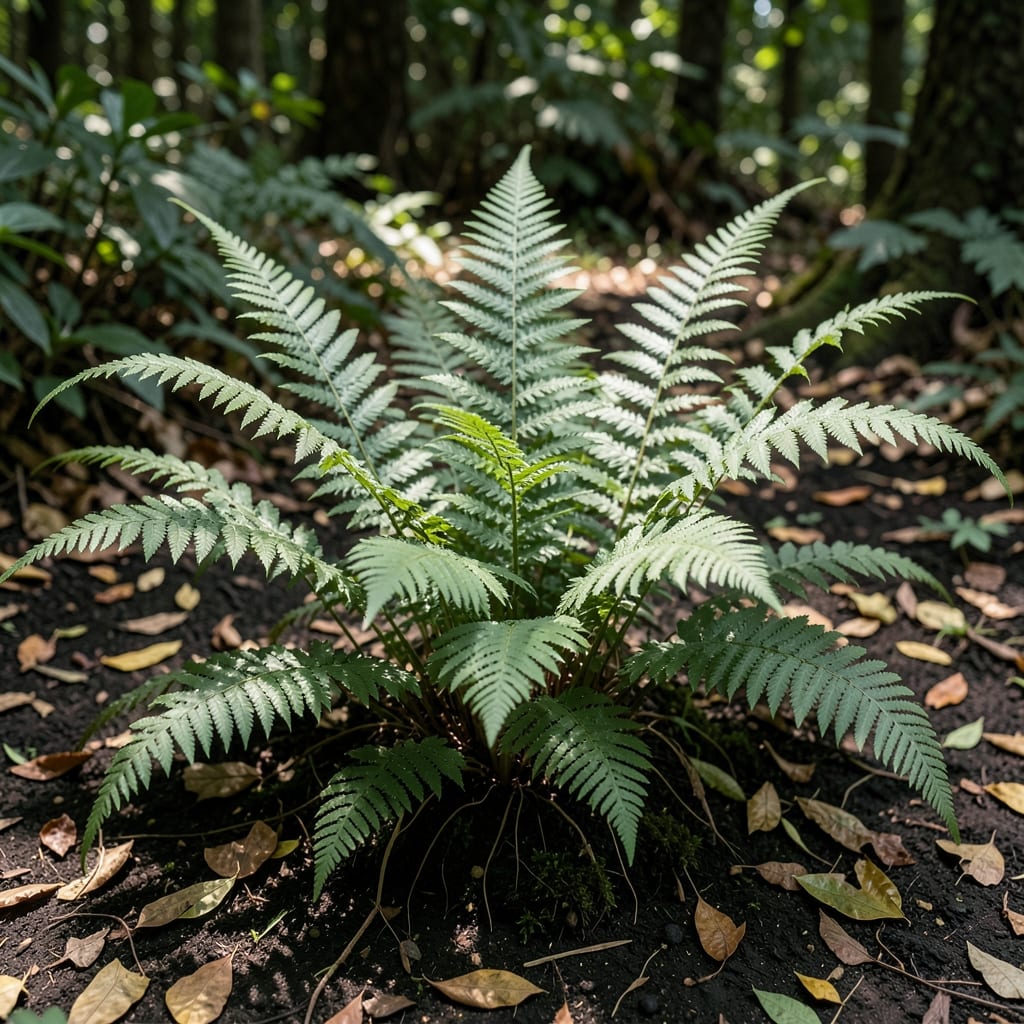
Ferns always impressed me with their lush, ancient beauty. These hardy plants have thrived for millions of years, and they’ll do the same in your garden with the right care.
They prefer shade and moist soil, but don’t let that fool you—some varieties handle sun and dry spells just fine. Once settled, they spread slowly, filling spaces with vibrant green fronds.
📚 In This Guide
Here’s the method I use to keep ferns lush and thriving with minimal effort.
Ferns prefer indirect, dappled light—think of the forest floor under a canopy. A north-facing window or a spot with morning sun and afternoon shade works perfectly. Direct sunlight scorches their delicate fronds, so avoid southern exposures unless filtered by sheer curtains.
Use a well-draining potting mix rich in organic matter. I blend equal parts peat moss, perlite, and compost to mimic the humus-heavy soil ferns love in the wild. The mix should hold moisture but never stay soggy. Test drainage by watering a sample pot—water should flow through within 5-10 seconds.
Plant ferns at the same depth they were in their nursery container. Burying the crown (where fronds emerge) too deep invites rot. Gently loosen the root ball before planting to encourage outward growth. This prevents the roots from circling and choking the plant later.
Water thoroughly after planting until moisture seeps from the drainage holes. Ferns like consistently moist soil, so water when the top inch feels slightly dry. I use room-temperature water to avoid shocking the roots. Overwatering is just as dangerous—yellowing fronds signal too much moisture.
Ferns thrive in 40-60% humidity. If your air is dry, place the pot on a tray filled with pebbles and water. The evaporating water creates a humid microclimate. Mist the fronds 2-3 times weekly with a fine spray, but do this in the morning so leaves dry before evening.
Keep temperatures between 60-75°F during the day and no lower than 50°F at night. Ferns tolerate brief temperature drops but suffer in sustained cold. If growing outdoors, bring potted ferns inside before the first frost. Watch for brown leaf tips—this often means the air is too dry or the plant needs more water.
Feed ferns monthly during the growing season with a balanced liquid fertilizer diluted to half strength. Too much fertilizer burns roots and causes brown, crispy fronds. I stop fertilizing in late fall and winter when growth slows. Always water before fertilizing to prevent root burn.
Prune dead or damaged fronds at the base using clean, sharp scissors. This improves appearance and redirects energy to healthy growth. If the plant looks leggy, trim back one-third of the fronds to encourage bushier regrowth. Real talk: it’s okay if it looks sparse at first—new fronds fill in quickly.
Here are the key details that make fern care effortless and rewarding.
Light Placement: In Step 1, that bright, indirect light is non-negotiable. I learned the hard way that even a few hours of direct sunlight can crisp those delicate fronds. A sheer curtain in front of a south-facing window works if you’re limited on space, but east or north is ideal.
Watering Wisdom: For Step 2, forget the calendar—your finger is the best tool. That top inch of soil should feel dry before you water again. And trust me, room-temperature water makes a difference. Cold water can shock the roots, especially in sensitive varieties.
Container Choice: Step 3 mentions drainage holes for a reason. I’ve lost count of how many ferns I’ve killed in pretty pots without them. If you fall in love with a container that lacks holes, drill them yourself or use it as a cache pot, placing the fern (in its nursery pot) inside.
Pruning Tip: When Step 5 says to remove dead fronds, do it immediately. Those brown fronds won’t turn green again, and they’re stealing energy from healthy growth. Sterilizing your scissors with rubbing alcohol between cuts prevents disease spread—this small step saves so much heartache.
Ferns prefer consistently moist soil, so water them when the top inch feels dry. Typically, this means watering 1-2 times per week, but adjust based on humidity and light conditions.
Brown leaves often indicate low humidity or underwatering. Check soil moisture and mist the plant regularly. Trim damaged fronds to encourage new growth.
Yes! Many ferns, like the Boston or maidenhair, thrive in low to medium indirect light. Avoid direct sunlight, which can scorch their delicate fronds.
Use a well-draining, organic-rich potting mix. A blend of peat moss, perlite, and compost works well to retain moisture while preventing waterlogging.
Cut back dead fronds, repot if root-bound, and ensure proper watering and humidity. Place it in indirect light and keep the soil consistently damp.