
Beautiful Plants For Your Interior
Beautiful Plants For Your Interior
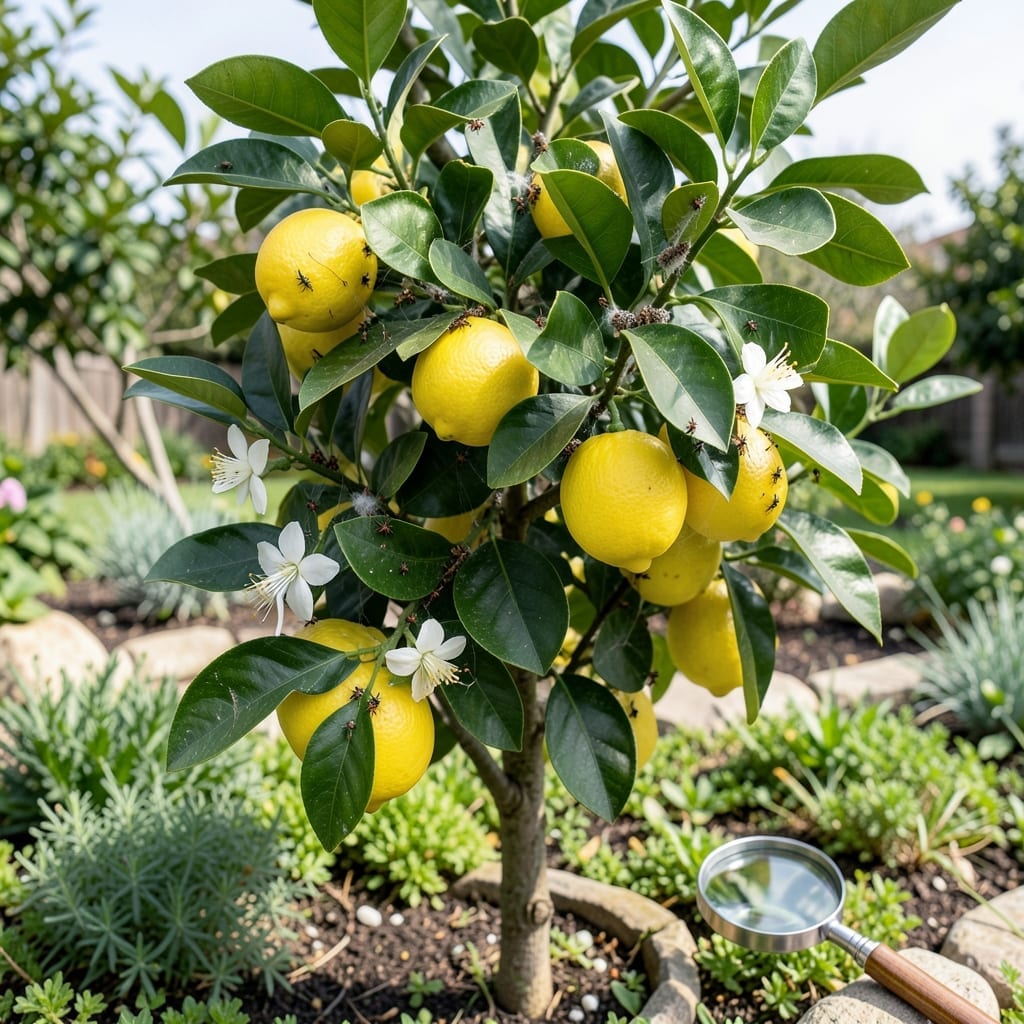
Tiny invaders can wreak havoc on your indoor citrus before you even notice. I’ve lost countless leaves to pests that seemed harmless at first, but catching them early makes all the difference.
Spider mites, scale, and aphids love the dry, warm conditions of indoor spaces. The key is vigilance—check the undersides of leaves weekly. A simple wipe with soapy water can stop an infestation in its tracks.
Organic solutions like neem oil or insecticidal soap work wonders without harsh chemicals. Your tree will thank you with glossy leaves and healthy fruit when you stay proactive.
Prevention is easier than cure, so keep your citrus clean and well-ventilated. A little attention now saves you a major headache later.
Indoor citrus trees are magnets for pests when their environment or care routine creates ideal conditions for invaders. Understanding the root causes helps you prevent problems before they start.
Citrus trees thrive in stable, warm conditions (65–85°F) with 40–60% humidity. Dry indoor air (common in winter) weakens trees, making them susceptible to spider mites and scale insects, which flourish in arid climates. Conversely, excessive humidity without airflow invites fungus gnats and mealybugs.
Inconsistent watering stresses citrus trees, signaling vulnerability to pests. Overwatering leads to root rot, attracting fungus gnats to damp soil. Underwatering causes leaf drop and dry foliage, a buffet for aphids and whiteflies. Aim for moist (not soggy) soil, with the top inch drying between waterings.
Fallen leaves, uneaten fruit, or dusty foliage create breeding grounds. Decaying organic matter harbors fruit flies and thrips, while dust blocks stomata, reducing the tree’s ability to defend itself. Regularly remove debris and wipe leaves with a damp cloth to disrupt pest lifecycles.
New plants or tools can carry pests like scale or spider mites. Always quarantine new additions for 2–3 weeks and inspect both sides of leaves. Sterilize pruning tools with rubbing alcohol to avoid cross-contamination.
Tackling pests on your indoor citrus trees doesn’t have to be a battle. With the right approach, you can restore your plant’s health and keep those pesky invaders at bay. Here’s how to solve common issues:
Gently scrub off scale insects with a soft toothbrush or cotton swab dipped in soapy water. For heavy infestations, use neem oil or insecticidal soap, applying every 7–10 days. Isolate the plant to prevent spreading. Prevention tip: 💡 Wipe leaves regularly with a damp cloth to remove dust and deter pests.
Spider mites thrive in dry conditions. Mist your citrus tree frequently or use a humidifier to maintain moisture. For active infestations, spray leaves with water to dislodge mites, then apply neem oil. Prevention tip: ✨ Keep your plant away from heat vents or drafts.
Use yellow sticky traps to catch adult whiteflies. For larvae, spray the undersides of leaves with insecticidal soap or a garlic-water solution. Repeat weekly until gone. Prevention tip: 🎯 Inspect new plants before bringing them indoors.
A strong water spray can knock aphids off leaves. Follow up with neem oil or a mixture of water and dish soap (1 tsp per gallon). Prevention tip: 🌡️ Encourage natural predators like ladybugs (if indoors, release a few!).
Consistency is key—check your citrus tree weekly for early signs of trouble. A little care goes a long way in keeping pests away!
Inspect your tree weekly, focusing on leaf undersides and stem joints. Early detection prevents major outbreaks.
Yes! A soapy water spray (1 tsp dish soap per gallon) works for aphids. Neem oil is great for scale and mites. Always test on a small area first.
Pests rebound if eggs or hidden insects survive. Repeat treatments every 7–10 days to break their life cycle. Isolate new plants for 2–3 weeks to prevent reinfestation.
Spider mites love dry air—maintain 40–60% humidity with a humidifier or pebble tray. Consistent moisture strengthens your tree’s defenses.