
Beautiful Plants For Your Interior
Beautiful Plants For Your Interior
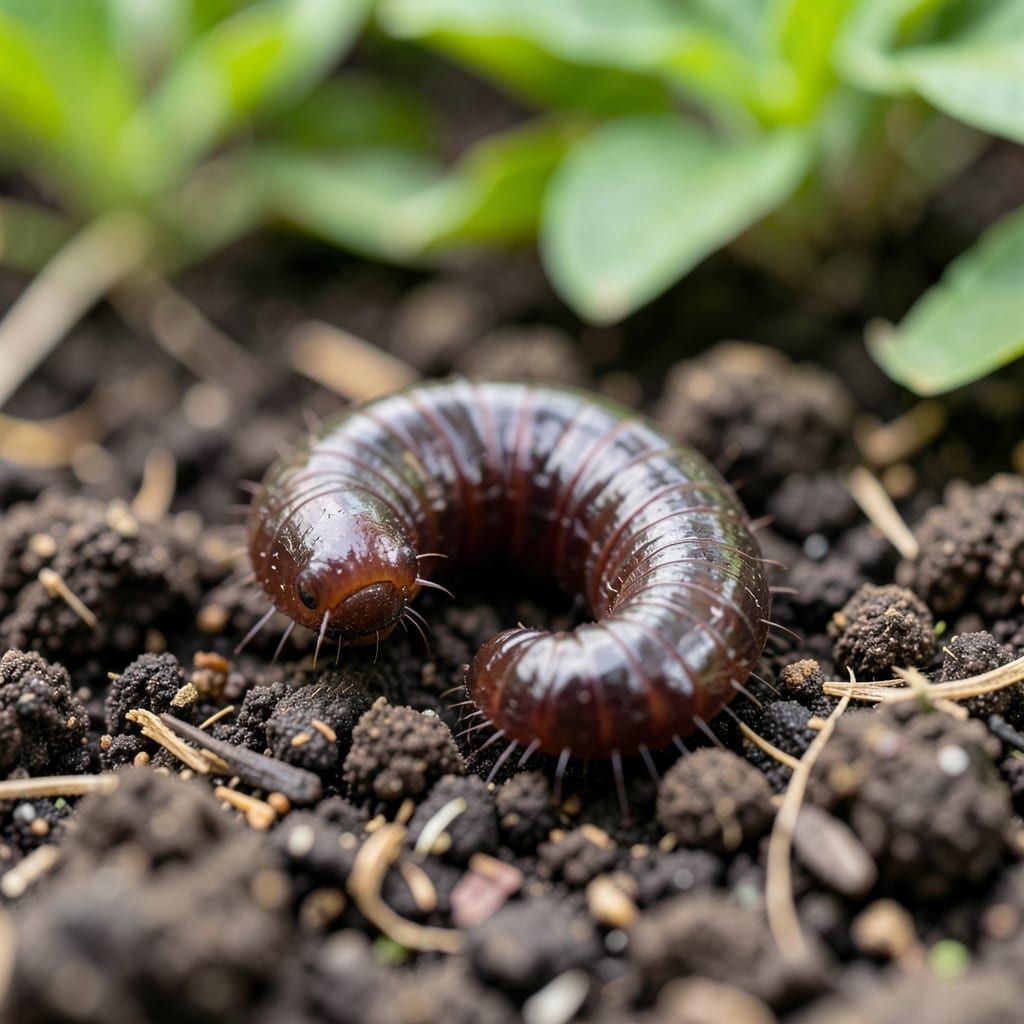
Not all worms are created equal in your soil. I’ve found earthworms that aerate and enrich, then discovered the thin, white grubs that chew through roots overnight.
A 5-minute field test with a hand trowel and magnifying glass reveals who’s helping and who’s harming. The good guys wriggle; the bad guys often curl or stay still when exposed.
You’ll spot the difference by color, size, and movement patterns. Earthworms are dark and segmented, while pest larvae tend to be pale and legless.
Once identified, beneficial species stay put while pests get relocated or treated. This method works in any garden, big or small.
Worms in your garden aren’t just random visitors—they’re drawn by specific conditions. Understanding these triggers helps you manage their presence effectively.
Earthworms and other soil-dwelling worms thrive in environments abundant in decomposing plant material. Compost, leaf litter, and mulch provide food and moisture, making your garden an ideal habitat. While beneficial for soil health, excessive organic buildup can attract pest species like cutworms or root-knot nematodes.
Soggy soil creates a paradise for moisture-loving worms. Lumbricus terrestris (nightcrawlers) and red wigglers flourish in damp conditions, but stagnant water also invites harmful pests like root-feeding maggots. Ensure proper drainage to avoid unintended infestations.
Worms are most active in moderate temperatures (50–75°F). Gardens with stable, warm soil—especially in spring and fall—encourage rapid worm reproduction. If your soil stays too cool or dry, beneficial worms may leave, leaving room for hardier pests.
A garden without birds, beetles, or centipedes allows worm populations to explode. Natural predators keep numbers in check, so consider introducing beneficial insects or creating habitats for worm-eating species.
Once you’ve spotted unwanted worms in your garden, taking quick and targeted action can restore balance and protect your plants. Here’s how to tackle the most common worm-related problems:
If you notice cutworms, grubs, or root-knot nematodes damaging your plants, start by handpicking them early in the morning or after rain when they’re near the surface. Drop them into soapy water to ensure they don’t return. For larger infestations, use a garden fork to gently turn the topsoil and expose them.
Prevention tip: 💡 Rotate crops annually to disrupt worm life cycles and reduce buildup in the soil.
Too many harmful worms often signal poor soil health. Introduce compost or well-rotted manure to improve soil structure and encourage beneficial organisms like earthworms. A balanced ecosystem naturally keeps pest populations in check.
Prevention tip: ✨ Avoid over-fertilizing with synthetic chemicals, which can kill helpful microbes and create an imbalance.
For stubborn problems, introduce natural predators like birds, toads, or nematode-eating insects (e.g., Steinernema carpocapsae for grubs). Alternatively, apply neem oil or diatomaceous earth to affected areas—these are organic and won’t harm plants or beneficial worms.
Prevention tip: 🎯 Use companion planting (e.g., marigolds) to repel pests and attract predator insects.
Excess moisture can attract harmful worms and promote fungal growth. Amend heavy clay soil with sand or organic matter, and ensure your garden has proper drainage. Raised beds can also help prevent waterlogging.
Prevention tip: 🌡️ Water in the morning to allow soil to dry out during the day, reducing worm-friendly dampness.
Earthworms are dark, segmented, and wriggle actively. Harmful species like grubs or cutworms are pale, legless, and often curl when exposed.
Early morning or after rain is ideal, when soil is damp and worms are near the surface. Use a hand trowel to gently turn the top 2-3 inches of soil.
No, earthworms improve soil by aerating it and breaking down organic matter. Only specific pests like root-knot nematodes or cutworms harm plants.
Avoid synthetic pesticides—they harm beneficial species. Instead, use neem oil or introduce natural predators like birds or toads.