
Beautiful Plants For Your Interior
Beautiful Plants For Your Interior
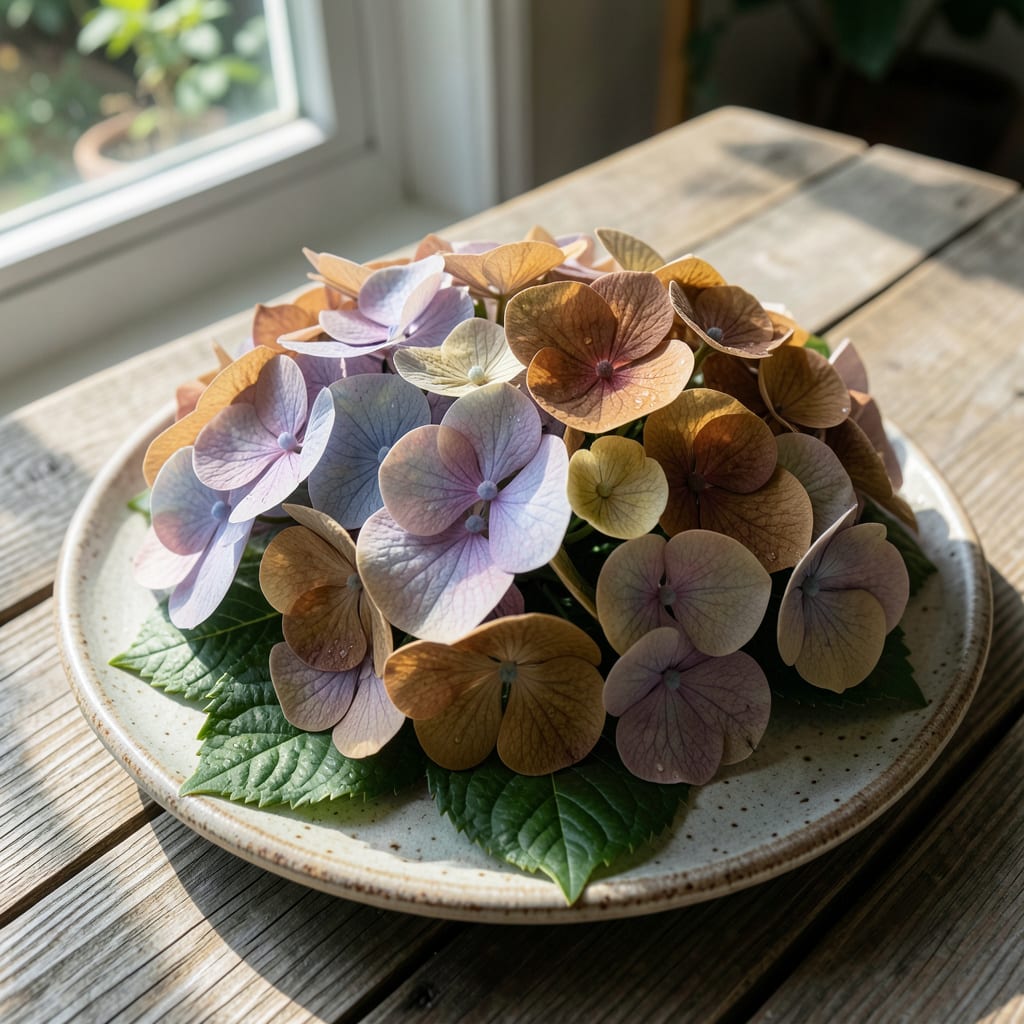
Brown petals on hydrangeas break my heart every time. I’ve learned it’s usually sunburn or water stress causing the damage, not disease.
The edges crisp first, then whole blooms turn papery. Midday sun scalds them, while morning light keeps color vibrant. Even one hot afternoon can do it.
Move pots to dappled shade or throw up a temporary screen. Deep watering twice weekly prevents the stress that invites browning.
Catching it early saves the season. These blooms bounce back faster than you’d expect with the right adjustments.
Hydrangea petals turn brown for several reasons, often tied to environmental stress or care issues. Below are the most common causes, explained with actionable insights.
Direct, intense sunlight can scorch hydrangea petals, leading to brown, crispy edges. Hydrangeas, especially bigleaf varieties (Hydrangea macrophylla), thrive in partial shade. When exposed to prolonged UV radiation, their cells dehydrate and die, causing discoloration. Solution: Provide afternoon shade or use shade cloth during peak sun hours.
Both underwatering and overwatering can trigger browning. Dry soil stresses the plant, while waterlogged roots suffocate, leading to nutrient uptake failure. Hydrangeas prefer consistently moist (not soggy) soil. Check soil moisture 1–2 inches deep—water if dry, or improve drainage if saturated.
Sudden temperature swings or late frosts can damage delicate petals. Hydrangeas are sensitive to cold snaps below 32°F (0°C) and heatwaves above 90°F (32°C). Protect plants with mulch in winter and ensure adequate hydration during summer heat.
A lack of magnesium or potassium may cause browning, often starting at leaf edges before affecting petals. Test soil pH (hydrangeas prefer 5.2–6.2 for blue/purple blooms, 6.0–7.0 for pink/white). Amend with compost or a balanced fertilizer if deficiencies are confirmed.
Pathogens like Botrytis or Cercospora cause brown spots on petals, often with a fuzzy gray mold. These thrive in high humidity or poor air circulation. Prevent by spacing plants properly, pruning dead blooms, and applying fungicide if needed.
If your hydrangea petals are turning brown, don’t panic—there are simple fixes for the most common causes. Below are practical solutions tailored to each issue, along with prevention tips to keep your blooms vibrant.
Move potted hydrangeas to a shadier spot, or add a shade cloth to protect in-ground plants during peak sun (10 AM–4 PM). Water deeply at the base in the early morning to help roots absorb moisture before the heat kicks in.
Prevention: Plant hydrangeas in locations with dappled sunlight or afternoon shade. Mulch around the base to retain soil moisture.
Check soil moisture 1–2 inches down. If dry, water thoroughly (1–2 inches per week, more in extreme heat). If soggy, improve drainage by amending soil with compost or relocating to a raised bed.
Prevention: Use a moisture meter or the finger test (stick your finger in the soil) to gauge watering needs. Ensure pots have drainage holes.
Test your soil’s pH (hydrangeas thrive in 5.2–6.2 for blue flowers, 6.0–7.0 for pink). Adjust with lime (to raise pH) or sulfur (to lower pH). Add organic matter like peat moss to improve texture and nutrient retention.
Prevention: Fertilize lightly in spring with a balanced, slow-release formula (10-10-10). Avoid high-nitrogen fertilizers, which can promote leaf growth over blooms.
Inspect leaves and stems for aphids, spider mites, or fungal spots. Spray with neem oil or insecticidal soap for pests. For fungal issues (like powdery mildew), remove affected leaves and improve air circulation. Apply a fungicide if needed.
Prevention: Space plants 3–4 feet apart for airflow. Water at the base to avoid wetting foliage, and clean up fallen debris regularly.
Pro Tip 💡: Prune spent blooms (deadhead) to encourage new growth and redirect energy to healthier flowers.
No, once petals turn brown, the damage is permanent. Focus on preventing further browning by addressing the root cause like sun exposure or water stress. New blooms will replace the damaged ones with proper care.
Sunburn causes crispy edges and affects the topmost petals first. Disease often shows as spots or mold spreading inward. Check for fuzzy growth or dark centers to confirm fungal issues.
Yes, prune brown petals to redirect energy to healthy growth. Use clean shears and cut just above a set of healthy leaves or buds. This also improves air circulation.
Not always. Overwatering can worsen browning by suffocating roots. Check soil 1-2 inches deep—water only if dry. Ensure good drainage to prevent root rot.
