
Beautiful Plants For Your Interior
Beautiful Plants For Your Interior
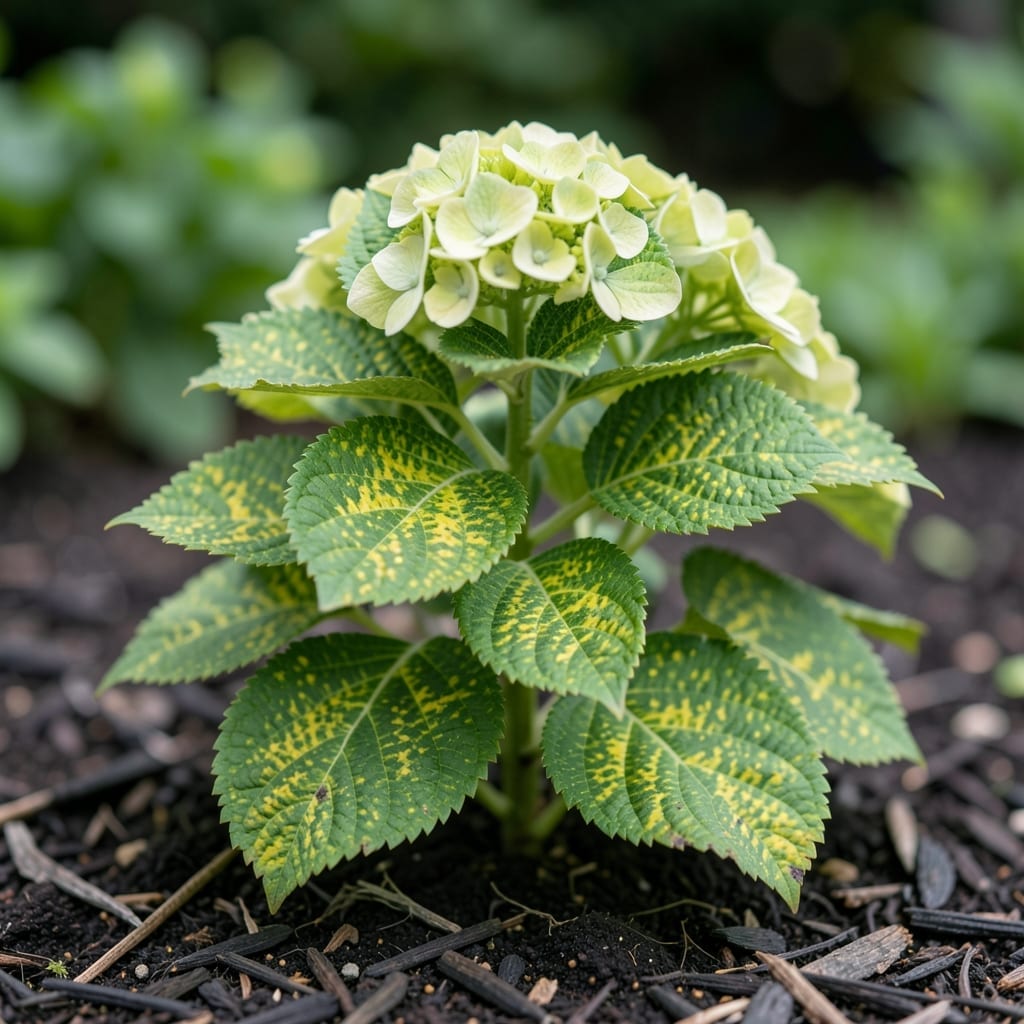
Yellow splotches on your hydrangea leaves aren’t just unsightly—they’re a red flag. I first spotted this on my favorite bush last summer, and it spread faster than I expected.
The virus stunts growth and weakens plants, but catching it early makes all the difference. Look for pale green or yellow patterns between the veins, especially on newer leaves.
Simple steps can contain the damage. Remove infected leaves immediately, disinfect your tools, and avoid working with wet plants. This stops the spread to healthy growth.
Prevention is easier than cure. Keep aphids under control, as they’re the primary carriers, and inspect new plants carefully before bringing them home.
The hydrangea chlorotic mottle virus doesn’t appear out of thin air—it spreads through specific pathways. Understanding these causes helps gardeners prevent outbreaks and protect their plants. Below are the primary ways this virus takes hold.
One of the most common causes is the use of contaminated cuttings, seeds, or grafted plants. If a parent plant carries the virus, its offspring or propagated parts will too. Always source hydrangeas from reputable, virus-tested nurseries to avoid introducing the pathogen to your garden.
Aphids, whiteflies, and other sap-sucking insects act as vectors, transmitting the virus from infected plants to healthy ones. These pests pierce plant cells while feeding, injecting the virus directly into the vascular system. Regular insect monitoring and the use of insecticidal soaps or neem oil can reduce this risk.
Pruners, shears, and even gardening gloves can harbor the virus if used on infected plants and then on healthy ones. The virus survives on surfaces for extended periods. Sterilize tools with a 10% bleach solution or rubbing alcohol between uses to prevent cross-contamination.
Though less common, the virus can persist in irrigated water or soil contaminated by infected plant debris. Avoid overhead watering, which can splash virus particles onto nearby plants. Additionally, remove and destroy (not compost) any infected plant material to eliminate potential soilborne sources.
Combating hydrangea chlorotic mottle virus starts with quick action and smart prevention. Below are targeted fixes for common causes, paired with proactive steps to keep your garden healthy.
If your hydrangeas show yellow mottling or stunted growth, the virus may already be present. Dig up and dispose of infected plants in sealed bags—do not compost them. Replace with virus-free, certified stock from trusted nurseries. Sanitize your tools with a 10% bleach solution between cuts to prevent spreading the virus.
Aphids are the primary carriers of this virus. Spray plants with insecticidal soap or neem oil weekly to deter them. Introduce natural predators like ladybugs or lacewings for long-term control. Tip: Yellow sticky traps can help monitor aphid activity early.
The virus can linger in plant debris. Clear fallen leaves and prunings regularly, especially after rain or wind, which can spread contaminants. Disinfect pots, stakes, and garden beds with a bleach or alcohol solution before reuse.
Early intervention and consistent care are your best defenses—keep a close eye, and your hydrangeas will thank you!
Look for pale green or yellow patterns between leaf veins, often on newer growth. Leaves may also appear stunted or distorted. These signs typically appear in spring or early summer.
It rarely kills plants but severely weakens them. Infected hydrangeas grow slowly and produce fewer blooms. Removing affected plants prevents spread to healthy ones.
No effective treatment exists once infected. The best approach is removal and replacement with virus-free stock. Always disinfect tools after handling sick plants.
Control aphids with neem oil, sterilize tools between uses, and avoid overhead watering. Inspect new plants carefully before introducing them to your garden.