
Beautiful Plants For Your Interior
Beautiful Plants For Your Interior
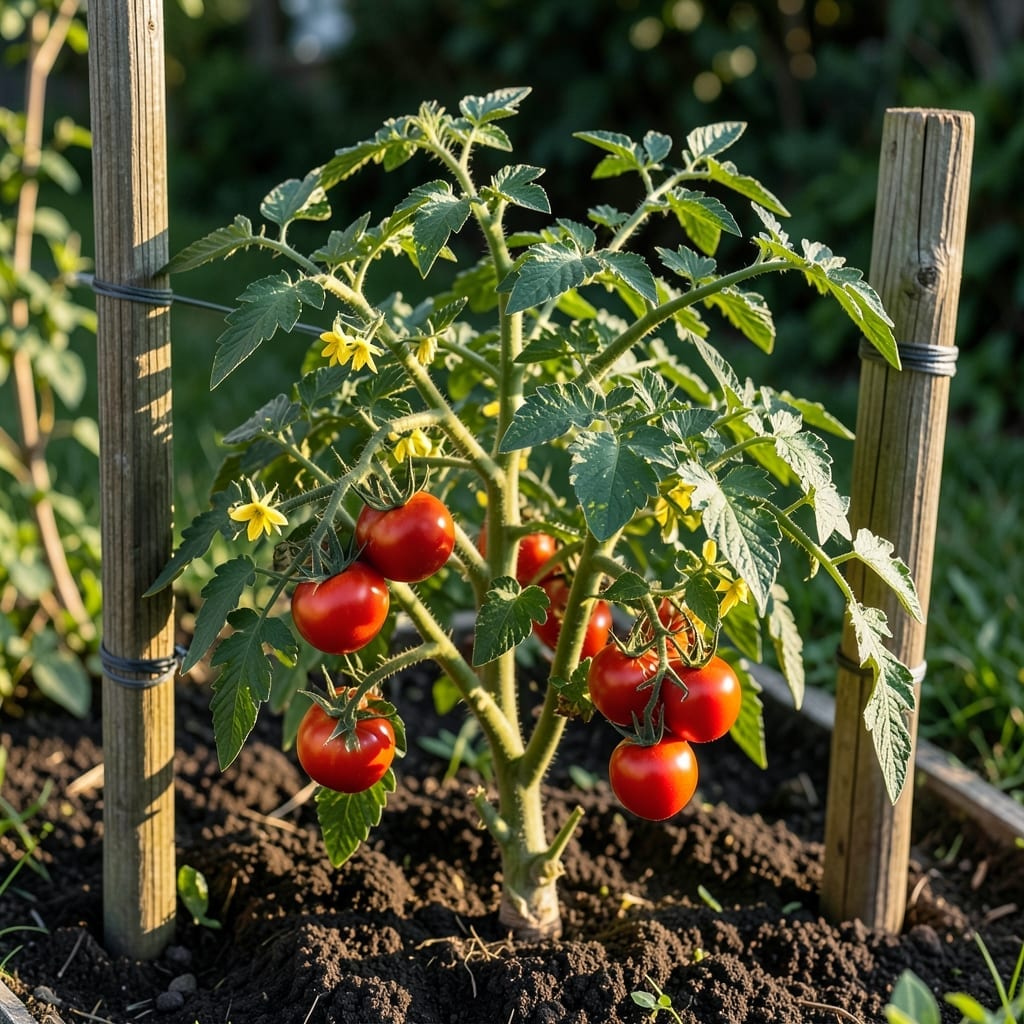
Ever stared at a Husky Red tomato plant and wondered just how big those little red gems will get? You’re not alone. This compact powerhouse delivers big flavor in a small package.
The 🍅 Tomato is a gardener’s dream for small spaces, but its fruit size might surprise you. These tomatoes pack a punch despite their modest dimensions.
I’ve grown them myself in zone 6, and the results were impressive. Their manageable size makes them perfect for containers or tight garden spots.
Discover what to expect from your Husky Red harvest and how to get the most from these prolific producers. The answers might change how you plan your garden.

When I first planted Husky Red tomatoes, I was amazed by their perfect balance of compact plant size and generous fruit production. These determinate bushes typically reach 3-4 feet tall with a similar spread.
What truly impresses gardeners is the fruit size. Husky Red tomatoes consistently produce 6-8 oz fruits, about 2.5-3 inches in diameter. That’s roughly the size of a baseball, making them ideal for fresh eating and canning.
| Feature | Specification |
|---|---|
| Fruit Weight | 6-8 oz |
| Fruit Diameter | 2.5-3 inches |
| Plant Height | 3-4 feet |
| Plant Type | Determinate |
I’ve found these medium-sized tomatoes are incredibly versatile. Their meaty texture and balanced flavor make them perfect for sandwiches, salads, or sauces. The consistent size also means they ripen uniformly, giving you a predictable harvest.
Compared to other popular varieties, Husky Red tomatoes are larger than cherry tomatoes but smaller than beefsteak tomatoes. This makes them a goldilocks choice for many gardeners seeking a middle ground.
The determinate growth habit means the plant grows to a certain size and produces its fruit all at once. I typically get 20-30 tomatoes per plant in a season, with the first ripe fruits appearing about 70 days after transplanting.
What I love most is how space-efficient these plants are. You can grow them in 5-gallon containers on a patio or in tight garden beds. Just ensure they get full sun and well-draining soil for best results.
For the best Husky Red tomato size, I recommend consistent watering and regular feeding with a balanced fertilizer. This helps the plants reach their full potential and produce those perfectly sized, flavorful tomatoes.
Remember that environmental factors like temperature and soil quality can affect the final size. In my experience, plants grown in rich, loose soil with adequate moisture tend to produce the largest, most uniform fruits.
The Husky Red truly lives up to its reputation as a reliable producer of good-sized tomatoes in a compact package. Whether you’re a beginner or experienced gardener, this variety delivers consistent results season after season. ☀️
If you want your Husky Red tomatoes to reach their full size potential, you’ll need to control a few key factors. These plants thrive with the right balance of care and environment.
From my experience, sunlight is the biggest game-changer. Husky Reds need 6-8 hours of direct sun daily to develop their characteristic rich red color and size. ☀️
I’ve found that watering deeply but infrequently encourages stronger root systems. Aim for 1-2 inches of water per week, adjusted for rainfall. Overwatering can lead to cracking or disease.
Soil quality matters more than you might think. Husky Reds prefer loamy soil with a pH between 6.0-6.8. Amend with compost before planting for a nutrient boost. 🌱
Don’t underestimate the power of pruning. By removing suckers and lower leaves, you improve airflow and direct the plant’s energy toward fruit production rather than foliage.
Finally, support systems like cages or stakes keep plants upright. This prevents fruit rot from contact with soil and ensures even sun exposure for uniform ripening. ✂️