
Beautiful Plants For Your Interior
Beautiful Plants For Your Interior
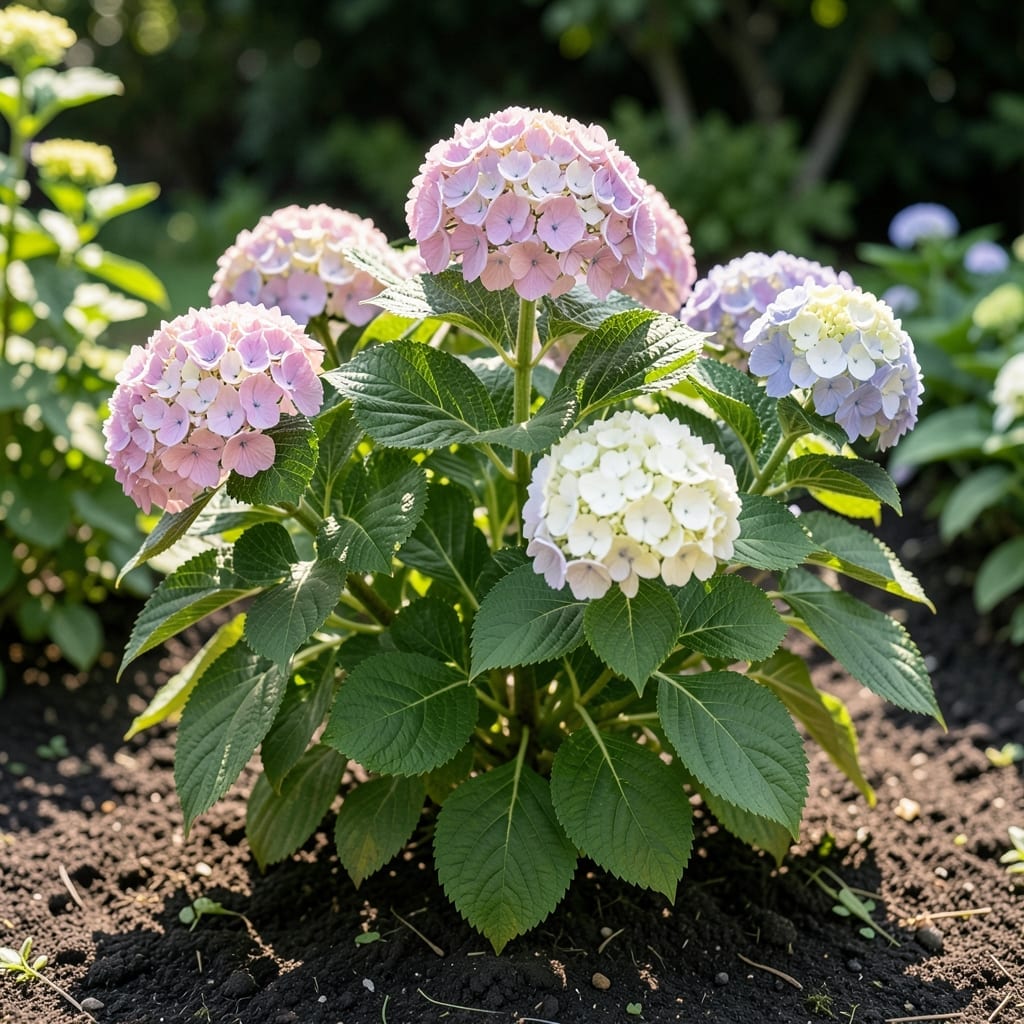
Hydrangeas are the showstoppers of any garden, but their mature size often catches gardeners off guard. That lush 🌸 Hydrangea you planted last spring might need more room than you think.
Different varieties spread from a modest 3 feet to a sprawling 10 feet wide. Without proper planning, your landscape could end up crowded and your plants struggling.
I’ve seen too many gardeners make the mistake of underestimating their growth. The key is knowing exactly how much space each type needs to thrive.
Let me walk you through the typical widths for popular varieties and how to space them for optimal growth and airflow. Your future garden will thank you.
Hydrangeas come in several types, each with its own mature width range. The most common varieties include bigleaf, panicle, oakleaf, smooth, and climbing hydrangeas. Their spread varies significantly based on the type.
Knowing the expected width helps you plan your garden layout effectively and avoid overcrowding. Here’s how wide each type typically grows under ideal conditions.
| Variety | Mature Width | Notes |
|---|---|---|
| Bigleaf | 3-6 ft | Compact cultivars like ‘Cityline’ stay smaller |
| Panicle | 4-8 ft | Can grow taller than wide in ideal conditions |
| Oakleaf | 4-6 ft | Broad, spreading habit with large leaves |
| Smooth | 3-5 ft | Often used in hedges; ‘Annabelle’ is popular |
| Climbing | 8-10 ft | Needs support; spreads widely on fences or trellises |
The bigleaf hydrangea is a garden favorite, often reaching 3-6 feet wide. Cultivars like ‘Nikko Blue’ tend to stay on the smaller side, while others spread more aggressively.
Panicle hydrangeas, such as ‘Limelight’, can spread 4-8 feet wide. These are hardy and thrive in full sun to partial shade, making them versatile for many gardens.
Oakleaf hydrangeas have a distinct shape and typically grow 4-6 feet wide. Their large, lobed leaves add texture to any landscape, and they tolerate more shade than other varieties.
The smooth hydrangea, including the beloved ‘Annabelle’, usually spreads 3-5 feet. These are often used in mass plantings or as informal hedges due to their manageable size.
Climbing hydrangeas are the widest, often reaching 8-10 feet or more. They’re perfect for covering fences, trellises, or walls, but need sturdy support to handle their weight.
For smaller spaces, dwarf varieties like ‘Little Lime’ panicle hydrangea stay compact at 3-4 feet wide. These are ideal for containers or tight garden spots.
Always check the specific cultivar’s tag for exact mature dimensions, as these can vary even within the same hydrangea type.
I recommend spacing plants based on their mature width to ensure good air circulation and reduce disease risk. 🌿
Hydrangea spread isn’t just about the variety—it’s shaped by growing conditions too. I’ve noticed sunlight exposure dramatically affects width, with more sun often producing fuller shrubs in suitable climates.
Soil quality plays a huge role. Rich, well-draining soil encourages healthier root systems, which directly impacts how wide your hydrangeas will grow. Poor soil often stunts their potential spread.
Your pruning technique can control width. I recommend selective pruning in late winter to shape your hydrangeas. Remove dead wood first, then thin out older stems to encourage new growth.
Water availability affects spread more than you might think. In my experience, deep watering twice weekly during dry spells helps hydrangeas reach their full width potential faster than shallow watering.
Climate zone makes a difference too. In warmer zones (7-9), hydrangeas often grow wider than in cooler areas. I’ve seen panicle hydrangeas reach their maximum spread years sooner in zone 8 than in zone 5.
Remember, container-grown hydrangeas will always stay smaller than their in-ground counterparts. Even with perfect care, their width is limited by root space. Always choose a container at least 24 inches wide for best results.
With the right conditions, your hydrangeas will reward you with lush, full growth that transforms your garden space 🌸