
Beautiful Plants For Your Interior
Beautiful Plants For Your Interior
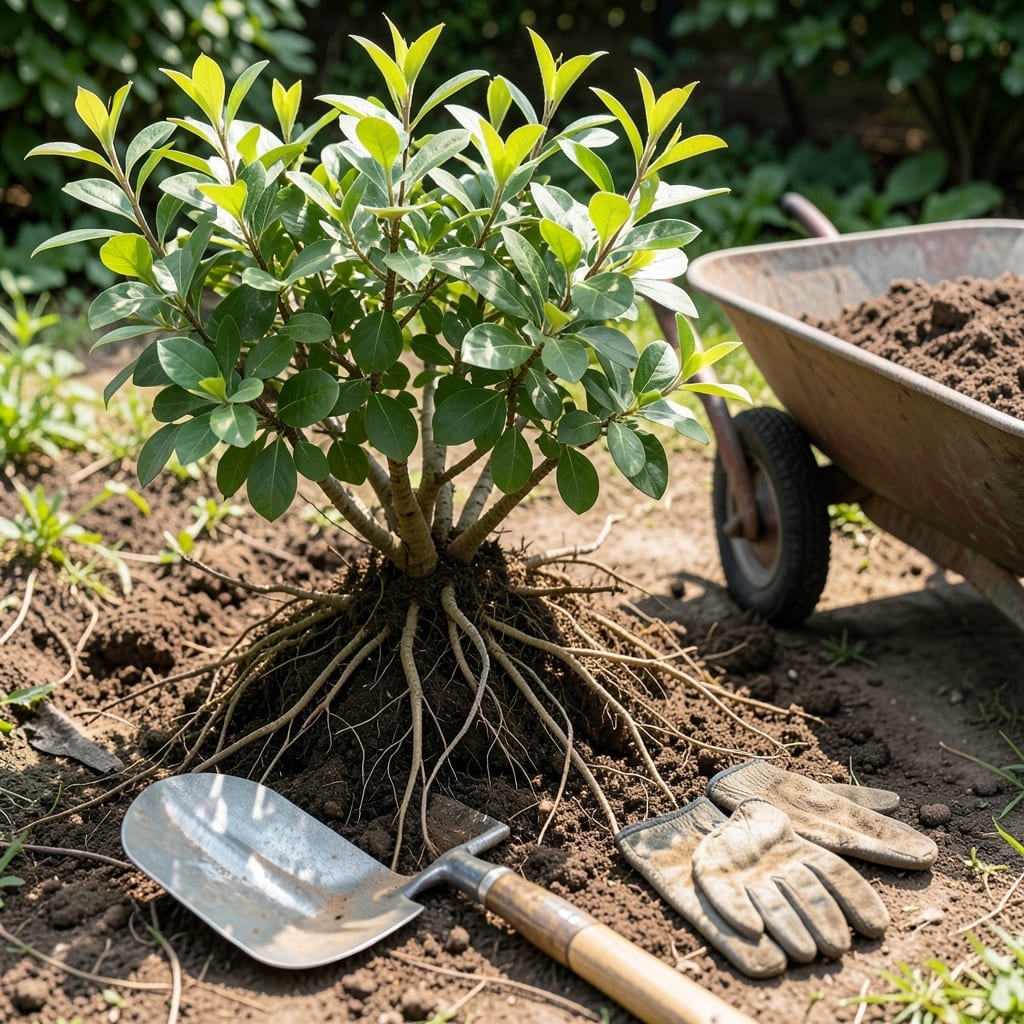
Removing an unwanted bush doesn’t have to be a backbreaking chore. With the right technique, you can uproot it safely without damaging your garden or your back.
I’ve learned that most people make this job harder than it needs to be by skipping a few key steps. Whether it’s a small shrub or a mature 🌿 Bush, the process is simpler than you think.
Discover how to tackle this project with confidence and leave your landscape looking better than before. Let’s get started.
Uprooting a bush can feel overwhelming, but I’ve found that proper preparation makes all the difference. Start by clearing the area around the base to give yourself room to work without damaging nearby plants.
I always begin with a visual inspection of the bush to understand its size and root spread. This helps me choose the right tools and approach for safe removal.
The first step is to prune the bush significantly before attempting removal. This reduces the weight and makes it much easier to handle. I use clean, sharp pruning shears for this task.
Next, I dig a trench around the bush, about 12-18 inches from the base. This exposes the major roots and allows me to work more effectively. The depth depends on the bush size, but I typically go down at least 12 inches.
For stubborn roots, I use a root saw or sharp spade to sever them cleanly. It’s important to cut as far from the trunk as possible to minimize damage to the remaining root system.
Once most roots are cut, I use a garden fork to loosen the root ball. This tool is perfect for leveraging under the roots without slicing through them like a spade might.
When the bush starts to wobble, I know it’s ready. I grip the base and rock it gently to test. If it moves easily, I can usually pull it out by hand or with the help of a friend for larger bushes.
After removal, I always backfill the hole immediately with good quality soil. This prevents erosion and keeps the area looking neat. I also water thoroughly to help the soil settle.
Finally, I monitor the area for new shoots in the following weeks. Some bushes are persistent and may try to regrow from any roots left behind. If this happens, I remove the new growth immediately.
With this method, I’ve successfully removed bushes of all sizes without damaging the surrounding garden. It takes patience, but the results are worth it 🌿
Choosing the right tools for bush removal can make the job significantly easier. I’ve learned that having the proper equipment on hand prevents frustration and potential injuries during the process.
The size of the bush and the depth of its roots determine which tools you’ll need. Smaller bushes may only require basic hand tools, while larger ones might need heavier machinery.
| Tool | Best For | When to Use |
|---|---|---|
| Pruning Shears | Trimming branches | Before uprooting |
| Shovel | Digging trench | Around root ball |
| Garden Fork | Loosening roots | After severing roots |
| Root Saw | Cutting thick roots | For stubborn roots |
| Mattock | Breaking hard soil | Rocky or compacted soil |
I always start with pruning shears to reduce the bush’s size. This makes it easier to access the base and minimizes the risk of branches snagging on nearby plants during removal.
For digging, a sharp shovel is my go-to tool. I use it to create a clean trench around the bush, which helps expose the root system for easier cutting and removal.
A garden fork is invaluable for leveraging under the root ball. Unlike a shovel, it won’t slice through roots, making it ideal for gently loosening the bush from the soil.
When I encounter thick roots, I switch to a root saw. This tool allows me to make clean cuts through tough roots without damaging my other tools or the surrounding soil structure.
For particularly challenging jobs in hard or rocky soil, I bring out the mattock. Its dual-purpose design helps break up compacted earth and chop through stubborn roots 🌿