
Beautiful Plants For Your Interior
Beautiful Plants For Your Interior
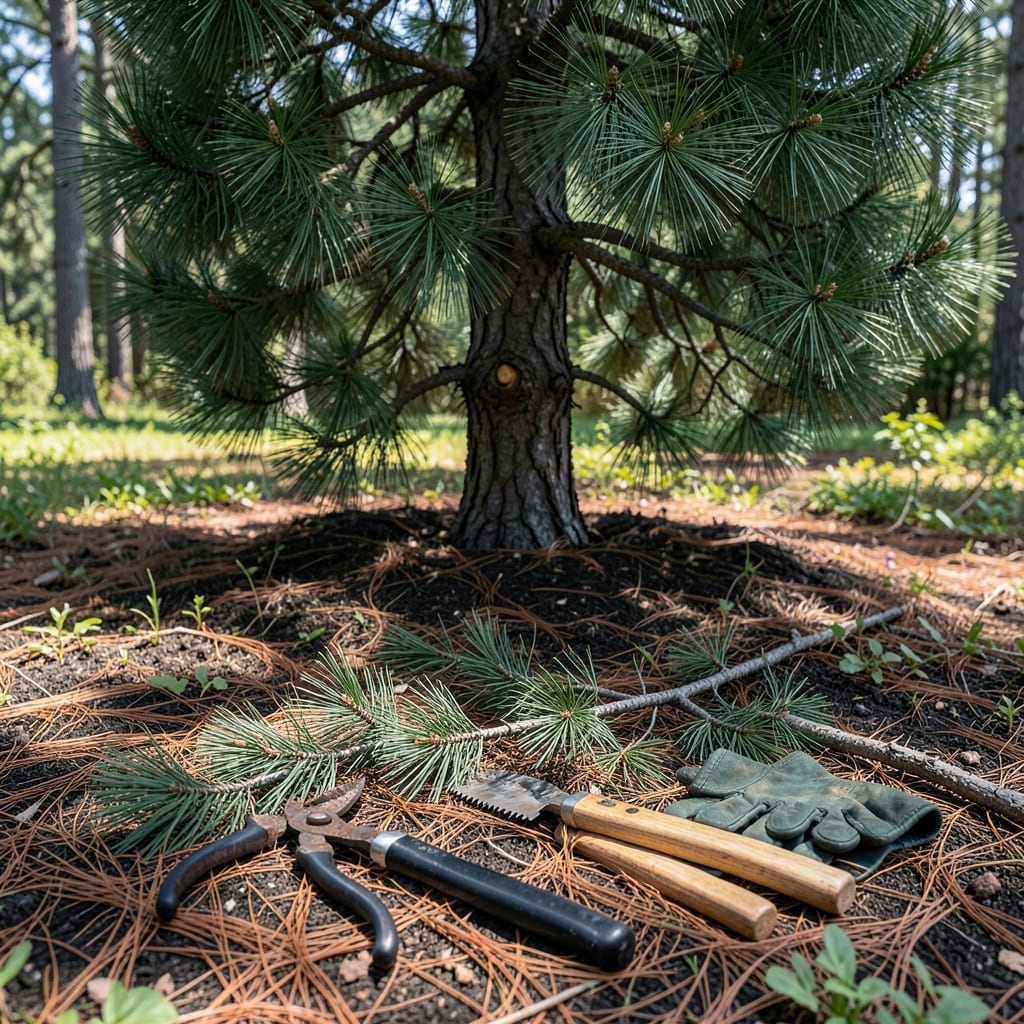
Trimming a pine tree the right way can mean the difference between a thriving, majestic 🌲 and a stunted, disease-prone plant.
I’ve seen too many well-meaning gardeners accidentally harm their trees with improper techniques. The good news? With a few simple guidelines, you can prune for healthy growth and long-term vitality.
Let me walk you through the seasonal secrets and step-by-step methods that will keep your Pine Tree looking its best year after year.
Timing is everything when it comes to trimming a pine tree. I’ve learned that pruning at the wrong time can stress the tree and even invite disease. The best window is late winter to early spring, just before new growth starts.
This timing allows the tree to heal quickly and reduces the risk of pest infestations. Avoid pruning in late summer or fall, as this can stimulate new growth that won’t harden off before winter.
| Season | Ideal Timing | Purpose |
|---|---|---|
| Late Winter | February to March | Remove dead or damaged branches before spring growth |
| Early Spring | March to April | Shape the tree and encourage healthy new growth |
| Late Summer | Avoid | Can stress the tree and attract pests |
| Fall | Avoid | New growth won’t harden off before winter |
Weather conditions also play a role in your trimming schedule. I always aim for a dry, overcast day to prune. This reduces stress on the tree and minimizes the risk of sunburn on freshly cut branches.
If you live in a region with harsh winters, late winter pruning is especially important. It gives the tree time to recover before the growing season kicks in. In milder climates, early spring works well too.
For young pine trees, focus on establishing a strong central leader. Remove any competing branches to encourage upward growth. Mature trees benefit from thinning out dense areas to improve air circulation.
Remember, pine trees don’t require heavy pruning. In fact, I’ve found that light, annual trimming is more beneficial than drastic cuts. This approach maintains the tree’s natural shape while promoting health.
If you notice brown or dying branches, remove them immediately, regardless of the season. These can be entry points for pests and diseases. Always use clean, sharp tools to make smooth cuts.
Finally, observe your tree throughout the year. The best time to trim can vary slightly depending on your specific pine species and local climate. When in doubt, consult a local arborist for personalized advice.
With these timing tips, your pine tree will thank you with vibrant growth and a long, healthy life ✂️🌲
Pruning a pine tree correctly ensures its health and longevity. I always start by gathering the right tools: sharp bypass pruners, loppers for thicker branches, and a pruning saw for larger limbs. Clean tools prevent disease transmission.
Before making any cuts, I inspect the tree for dead, diseased, or crossing branches. These are my first targets. Removing them improves air circulation and reduces pest risks. Always cut just outside the branch collar to promote proper healing.
For shaping, I focus on maintaining the tree’s natural pyramid shape. I trim back wayward branches to a lateral branch or bud. Never leave stubs, as they can invite pests and decay. Make clean, angled cuts to allow water to run off.
Safety is paramount when pruning. I wear gloves and safety glasses to protect from sharp needles and falling debris. For larger branches, I use a rope and pulley system to lower them safely to the ground.
After pruning, I clean up all debris around the base. This prevents pests from making a home in the clippings. I also take a step back to admire my work and ensure the tree looks balanced from all angles.
Remember, pine trees don’t require heavy pruning. A light annual trim is usually sufficient. Over-pruning can stress the tree and reduce its ability to photosynthesize effectively. With these techniques, your pine will stay healthy and beautiful ✂️🌲