
Beautiful Plants For Your Interior
Beautiful Plants For Your Interior
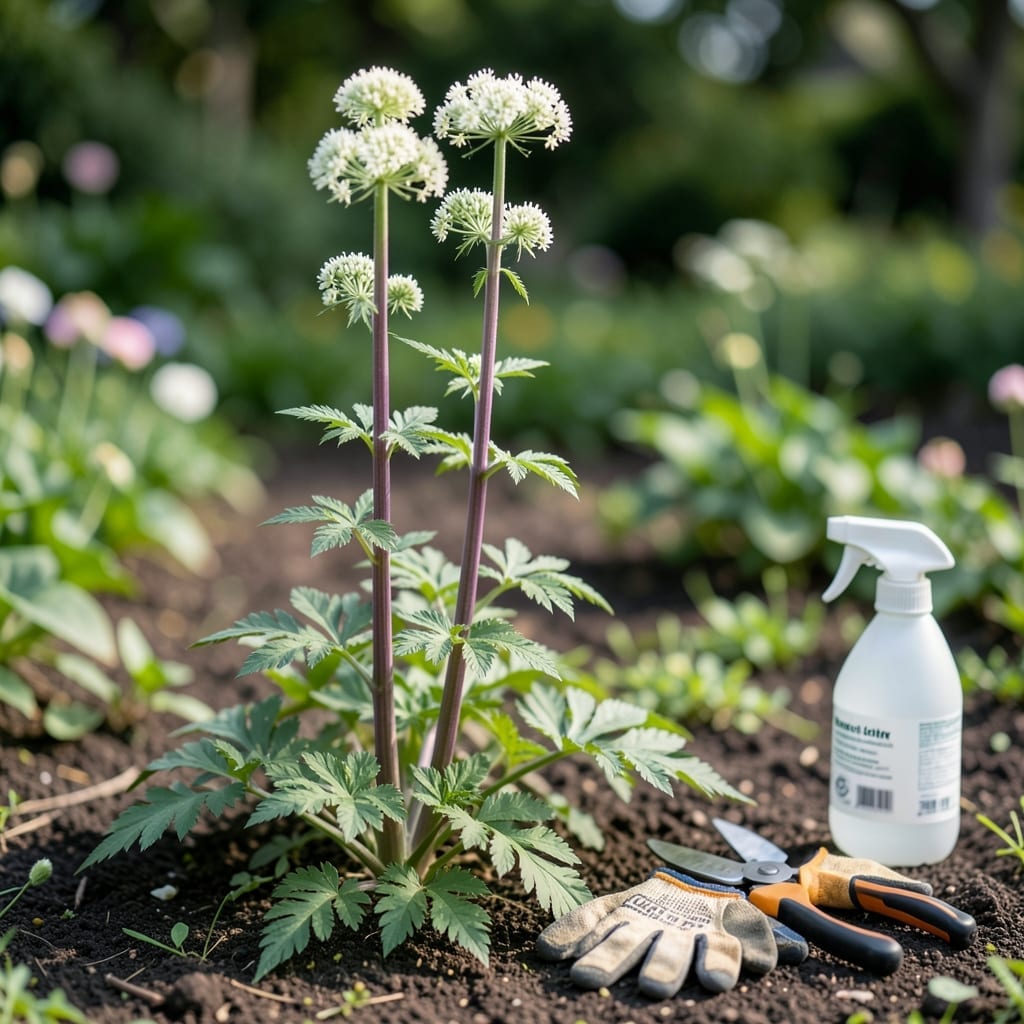
Spotted tall white flowers with purple spots? That’s poison hemlock, and it needs to go immediately. I’ve removed this dangerous plant from multiple gardens, and the key is acting fast before it spreads or someone gets hurt.
This isn’t like pulling weeds—you’ll need gloves, long sleeves, and a mask to avoid skin contact or inhaling particles. Even brushing against it can cause severe reactions, so safety comes first, always.
Once removed, double-bag the plants and dispose of them with household trash—never compost. The roots can regrow, and the toxins persist, so thorough removal is critical.
If you’re unsure, compare it to harmless look-alikes like wild carrot or Queen Anne’s lace. They share similar features but lack the deadly consequences.
Poison hemlock (Conium maculatum) is a highly toxic biennial plant that spreads aggressively under certain conditions. Understanding why it appears in your environment is the first step toward effective control and prevention.
Poison hemlock thrives in disturbed soils, such as roadside ditches, agricultural fields, and construction sites. It prefers moist, fertile soil with full to partial sunlight, often outcompeting native vegetation in these environments. Its deep taproot allows it to access water and nutrients efficiently, making it resilient in challenging conditions.
This invasive plant often spreads through human-mediated seed dispersal. Seeds can hitch a ride on machinery, vehicles, or contaminated soil. Poor land management, such as overgrazing or improper mowing, can also create ideal conditions for poison hemlock to establish and dominate an area.
In its native Europe, poison hemlock has natural predators that keep its growth in check. However, in North America and other regions where it’s invasive, the absence of these predators allows it to spread unchecked. Additionally, many herbivores avoid it due to its toxicity, giving it a competitive advantage over less harmful plants.
Poison hemlock’s two-year life cycle contributes to its persistence. In the first year, it grows as a low-lying rosette, often unnoticed. In the second year, it bolts into a tall, flowering stalk that produces thousands of seeds, ensuring its rapid proliferation if left untreated.
Poison hemlock is a dangerous plant, but removing it safely is within your control. Below are targeted fixes for common exposure scenarios, paired with prevention tips to keep your property safe.
If the plant’s sap touches your skin, act fast. Wash the area immediately with soap and cool water, then apply a soothing agent like calamine lotion or hydrocortisone cream to reduce irritation. Wear gloves and long sleeves when handling the plant to avoid future contact.
Prevention: Always wear protective clothing and closed-toe shoes when working in areas where poison hemlock may grow.
If someone ingests any part of the plant, do not induce vomiting. Rinse their mouth with water and seek emergency medical help right away. Poison hemlock contains toxic alkaloids that can cause severe reactions, including respiratory distress.
Prevention: Educate children and pets to avoid unknown plants. Remove poison hemlock from your yard promptly to eliminate the risk.
To safely remove poison hemlock, start by wearing gloves, a mask, and eye protection. Dig out the entire root system to prevent regrowth, and dispose of the plant in sealed bags—never burn it, as the smoke can be toxic. For large infestations, consider professional help.
Prevention: Regularly inspect your garden or property for new growth, especially in damp, shaded areas where poison hemlock thrives.
💡 Pro Tip: If you’re unsure whether a plant is poison hemlock, consult a local extension office or use a plant identification app before handling it.
Wash the area immediately with soap and cool water. Apply calamine lotion or hydrocortisone cream to reduce irritation. Always wear gloves when handling this plant.
No, burning is dangerous. The smoke contains toxic alkaloids that can be inhaled. Instead, dig out the roots and dispose of the plant in sealed bags with household trash.
Check for smooth, purple-spotted stems and a musty odor. Unlike Queen Anne’s lace, it lacks the characteristic red flower in the center. When in doubt, consult a professional.