
Beautiful Plants For Your Interior
Beautiful Plants For Your Interior
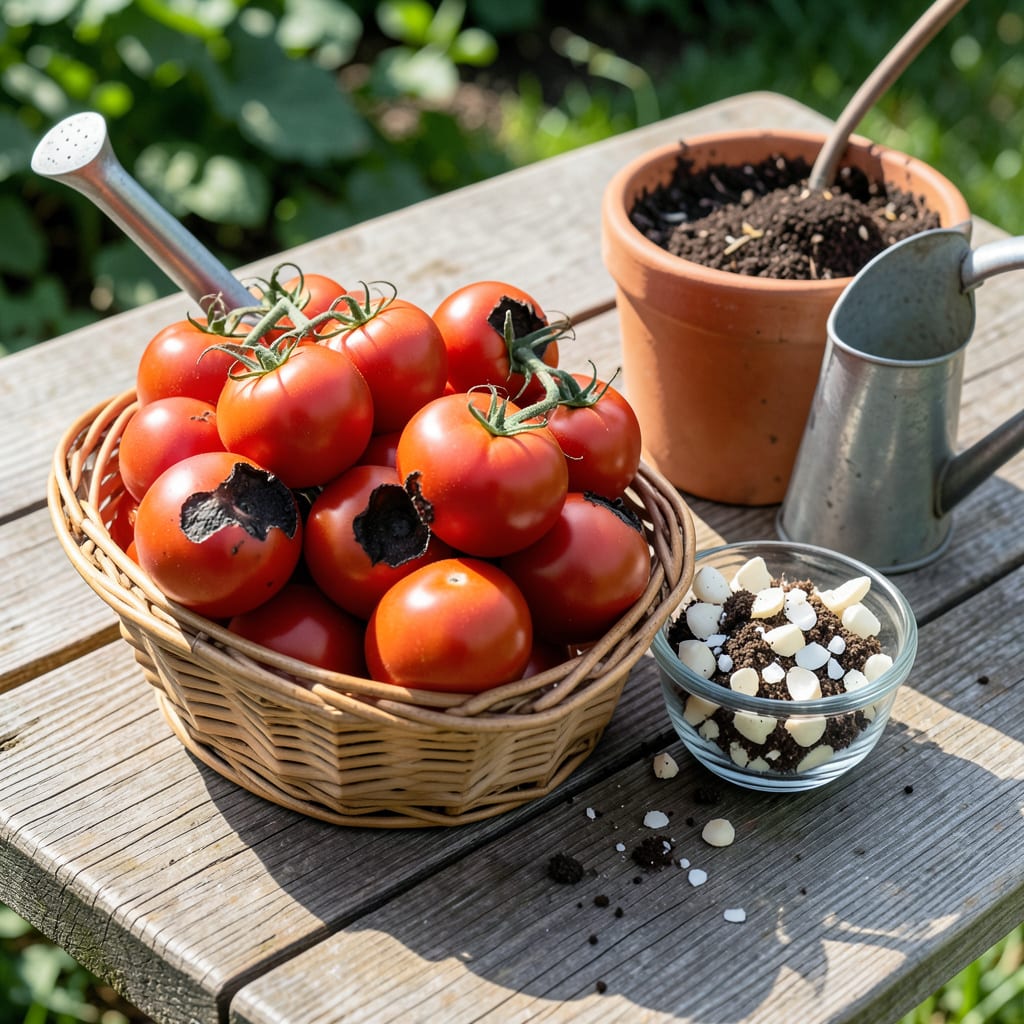
That sunken black spot on your tomato’s bottom isn’t a disease—it’s a nutrient scream for help. I’ve lost entire harvests to blossom end rot before realizing it’s fixable with the right approach.
Here’s the thing—it’s not just about calcium. Uneven watering, soil pH, and even temperature swings play their part. My first fix attempt failed because I missed the watering consistency piece.
You’ll see improvement within 1-2 weeks with targeted soil amendments and a steady watering schedule. The key is delivering calcium where roots can actually absorb it.
Works for container and in-ground plants alike. No more watching perfect tomatoes rot from the bottom up.
Blossom end rot in tomatoes is a frustrating issue, but understanding its root causes helps you prevent it. Here’s why it strikes your plants:
The most common cause is a localized calcium deficiency in the developing fruit. Even if your soil has enough calcium, uneven watering or root damage can prevent the plant from absorbing and transporting it to the blossom end. Calcium is essential for cell wall strength, and without it, tissues break down, leading to the telltale black, sunken spots.
Fluctuations in soil moisture—drought followed by overwatering—disrupt calcium uptake. Tomatoes need steady, even watering to move calcium from the soil into the fruit. Dry spells slow absorption, while sudden heavy watering can dilute soil nutrients, starving the plant of what it needs.
Hot, dry weather or a sudden growth spurt can outpace the plant’s ability to supply calcium to the fruit. High temperatures increase transpiration, reducing water (and calcium) movement to the blossom end. Cool nights or heatwaves can also stress the plant, making it more susceptible.
Excessive nitrogen, magnesium, or potassium in the soil can block calcium absorption. Over-fertilizing, especially with high-nitrogen blends, may promote lush foliage at the expense of fruit health. A soil test can reveal imbalances before they cause problems.
Compacted soil, root pruning during transplanting, or nematode damage can limit the plant’s ability to take up calcium. Healthy, well-draining soil with good microbial activity ensures optimal nutrient uptake.
Blossom end rot can be frustrating, but these targeted solutions will help you save your tomatoes and prevent future issues. Address the root causes with these practical fixes:
Add crushed eggshells, gypsum, or a calcium-rich fertilizer to the soil. Work it into the top 2–3 inches for quick absorption. For a fast fix, use a foliar calcium spray (like calcium chloride or nitrate) on leaves—apply early morning or late evening to avoid leaf burn. Prevention tip: 💡 Test soil pH (aim for 6.0–6.8) and amend if too acidic or alkaline.
Tomatoes need even moisture. Water deeply 1–2 times per week (more in extreme heat) to keep soil consistently damp but not soggy. Use drip irrigation or soaker hoses to deliver water directly to roots. Prevention tip: 🌡️ Mulch with straw or wood chips to retain moisture and reduce evaporation.
Too much nitrogen or potassium can block calcium uptake. Switch to a balanced fertilizer (e.g., 10-10-10) or one low in nitrogen. Avoid high-ammonia fertilizers. Prevention tip: ✨ Rotate crops yearly to prevent nutrient depletion in the soil.
Gently loosen compacted soil around roots to improve calcium absorption. Avoid over-cultivating, which can harm roots. If transplanting, harden off seedlings first to reduce shock. Prevention tip: 🎯 Plant tomatoes in well-draining soil and avoid disturbing the root zone.
Act fast—the sooner you correct these issues, the quicker your tomatoes will recover! 🍅
With consistent soil amendments and watering, new fruit will show improvement within 1-2 weeks. Existing affected tomatoes won’t heal, but future ones will develop normally.
Diluted milk can work as a temporary fix, but it’s not ideal. Use 1 part milk to 4 parts water and apply to soil. For best results, stick with gypsum or crushed eggshells.
Uneven watering is likely the culprit. Even with enough calcium, dry spells or overwatering disrupt absorption. Maintain steady soil moisture with drip irrigation.
No, it’s not a disease or fungal issue. It’s purely a nutritional/environmental problem, so it won’t spread from plant to plant. Focus on soil health and watering consistency.
