
Beautiful Plants For Your Interior
Beautiful Plants For Your Interior
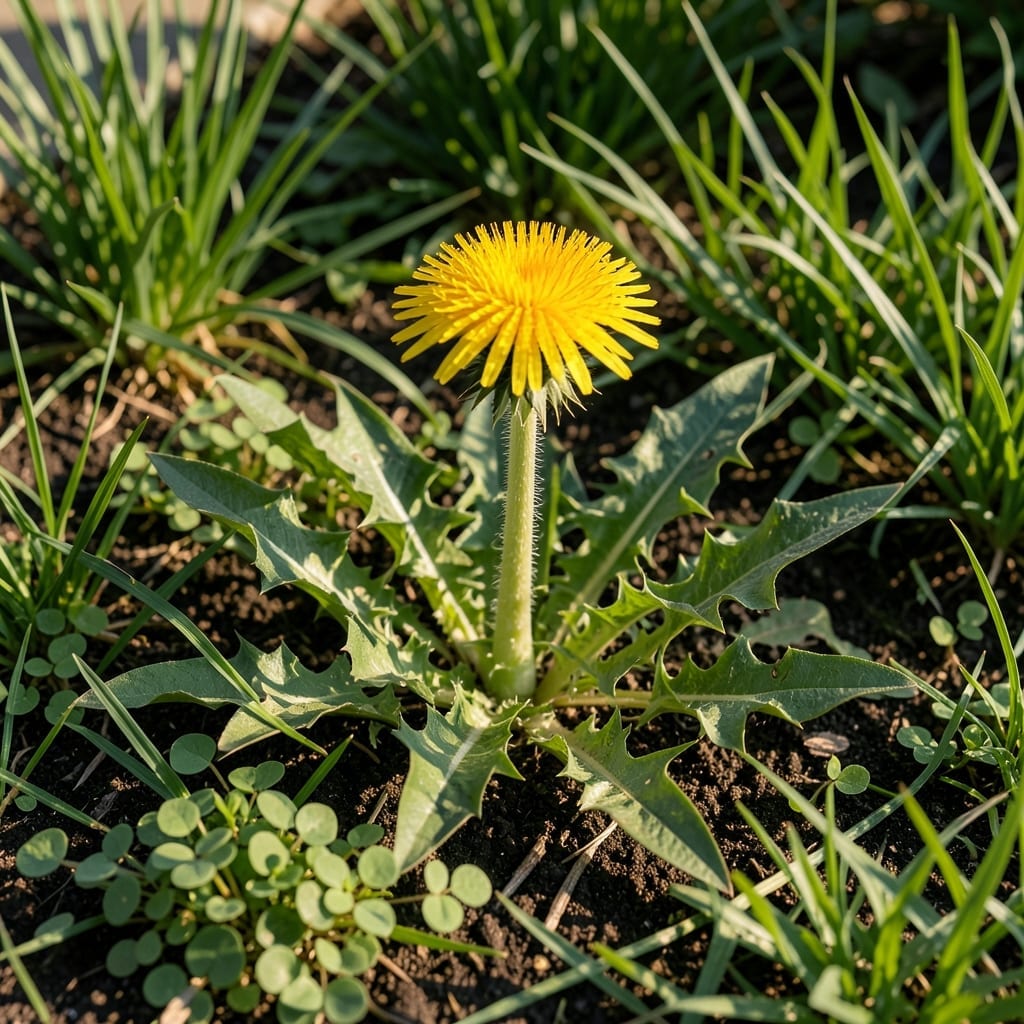
That “mystery plant” popping up everywhere isn’t always an enemy. 🌱 I’ve pulled more future wildflowers than actual weeds, thinking every volunteer was a nuisance.
The real giveaway isn’t just looks—it’s behavior. Weeds grow fast, spread aggressively, and often appear where you didn’t plant them. They’ll crowd out your carefully chosen plants and steal their resources.
Learn to spot the difference between a weed and a welcome surprise, and you’ll save time, energy, and heartache. Most weeds have shallow roots, making them easy to pull if you catch them early.
With practice, you’ll recognize the usual suspects in your garden and know exactly how to handle them. No more second-guessing every sprout.
Understanding why weeds sprout in your garden or lawn is the first step in managing them effectively. Here are the primary causes, backed by botanical science:
Weeds often appear due to natural seed dispersal mechanisms. Wind, animals, and water can carry weed seeds from neighboring areas into your soil. Many weeds, like dandelions, produce lightweight seeds designed to travel long distances via wind. Birds and small mammals may also unintentionally transport seeds on their fur or through their digestive systems.
Disturbing the soil—whether through tilling, digging, or foot traffic—can bring dormant weed seeds to the surface, where they germinate when exposed to light and air. Construction projects, gardening, or even regular lawn maintenance can stir up the soil and create ideal conditions for weed growth.
Weeds often thrive in compacted, nutrient-poor, or imbalanced soils. When the soil lacks organic matter or has improper pH levels, desirable plants struggle to compete, leaving space for hardy weeds to take over. Improving soil health with compost or organic amendments can reduce weed proliferation by fostering stronger, competitive plants.
Bare or sparsely vegetated areas are prime real estate for weeds. Without dense plantings of grasses, flowers, or ground covers, weeds face little competition for sunlight, water, and nutrients. Mulching and planting cover crops can help suppress weeds by blocking their access to essential resources.
Once you’ve identified a weed, the next step is removal and prevention. Below are practical solutions for common weed issues, paired with tips to keep them from returning.
Fix: Pull weeds by hand or use a hoe to cut them at the root. For stubborn roots, dig deep to remove the entire system. Apply mulch (2-3 inches) to smother new growth.
Prevent: Lay landscape fabric under mulch for extra protection. Reapply mulch annually to block sunlight.
Fix: Spot-treat with vinegar-based herbicides (for natural control) or targeted broadleaf weed killers. For large areas, use a lawn aerator followed by overseeding to crowd out weeds.
Prevent: Mow high (3-4 inches) to shade soil and reduce weed germination. Fertilize regularly to strengthen grass.
Fix: Gently uproot weeds by hand or use boiling water for cracks in container edges. Replace the top inch of soil if infestation is severe.
Prevent: Use sterilized potting mix and avoid overwatering, which can encourage weed seeds to sprout.
Look for plants with jagged or deeply lobed leaves, and rapid growth that outpaces your garden plants. Many weeds also have small, clustered flowers that appear suddenly.
Certain weeds mimic desirable plants to survive. Compare leaf shape, stem texture, and growth pattern. Weeds often have thinner stems and spread unpredictably, unlike cultivated plants.
Weeds often sprout in cracks, bare soil, or between pavers. If it appears where you didn’t plant anything, it’s likely a weed.
Pull it up gently. Weeds usually have shallow roots and come out easily, while intentional plants often resist. If it regrows quickly, it’s definitely a weed.