
Beautiful Plants For Your Interior
Beautiful Plants For Your Interior
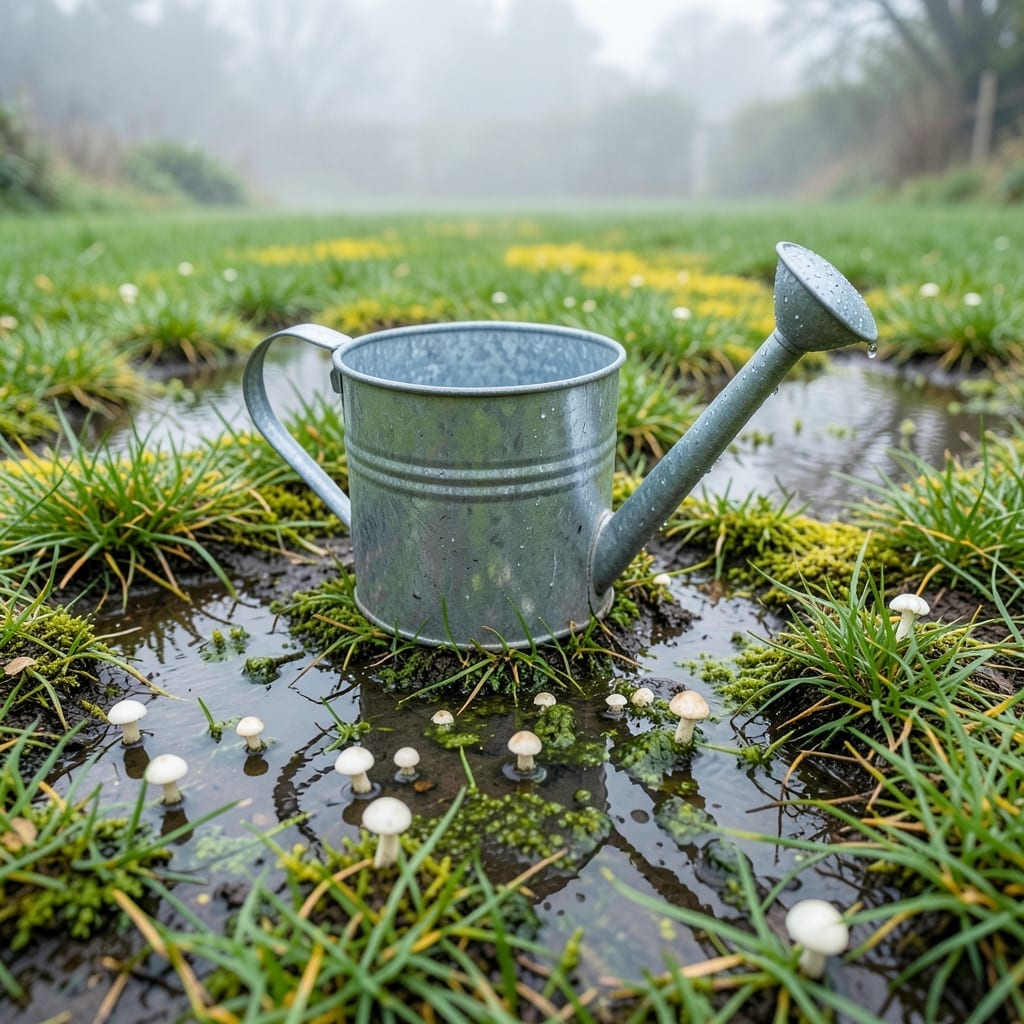
My lawn was drowning and I didn’t even notice. 🌱 Soggy patches, yellow blades that won’t perk up—these are the tells that your grass is getting too much love from the hose.
Overwatering does more harm than a dry spell. It suffocates roots, invites fungus, and turns your lawn into a swampy mess. The fix starts with recognizing the signs early.
Check for squishy soil, a musty smell, or water pooling on the surface. These clues mean you need to ease up on the watering schedule.
Prevention is simple: water deeply but less often, and always in the early morning. Your grass will thank you with a vibrant green comeback.
Overwatering grass often stems from well-intentioned but misguided care. Understanding the root causes can help you adjust your habits and keep your lawn thriving. Below are the most common reasons why this happens.
Many homeowners set their sprinklers to run too frequently or for too long. Grass typically needs 1–1.5 inches of water per week, including rainfall. If your irrigation system delivers more than this—especially in clay-heavy soils that retain moisture—your lawn will drown. Pro tip: Use a rain gauge or tuna can to measure output and adjust accordingly.
Watering on a fixed schedule without accounting for rain, humidity, or cool temperatures leads to over-saturation. For example, grass in a rainy climate or during a mild spring may need no additional watering at all. Always check the forecast and soil moisture (stick your finger 2–3 inches into the soil—if it’s damp, skip watering).
Compacted soil or lack of proper grading can trap water at the surface, preventing it from draining away. This is especially common in newer lawns or areas with heavy foot traffic. Aerating your lawn annually and amending soil with organic matter (like compost) can improve drainage and reduce waterlogging.
Some people assume that more water equals a healthier lawn, but grass roots need oxygen as much as they need moisture. Frequent, shallow watering encourages weak root systems that can’t handle stress. Instead, water deeply but infrequently (e.g., 2–3 times per week) to promote drought-resistant roots.
Overwatered grass can bounce back with the right care. Below are targeted fixes for common symptoms, plus tips to keep your lawn healthy long-term.
If puddles linger or the soil feels spongy, aerate the lawn to loosen compacted dirt. Use a garden fork or core aerator to create small holes, allowing water to drain properly. For severe cases, mix in coarse sand or compost to improve soil structure.
Prevention tip: 💡 Avoid watering during or right after rain, and ensure your yard has proper grading to direct excess water away.
Cut back on watering immediately. Let the top 1–2 inches of soil dry out before resuming. Water deeply but infrequently—1 inch per week (including rainfall) is ideal for most grass types. Early morning watering reduces evaporation and fungal risks.
Prevention tip: 💡 Use a rain gauge or moisture sensor to track water levels and avoid guesswork.
Fungus thrives in damp conditions. Apply a fungicide labeled for lawns, following package instructions. Remove affected grass clippings to stop the spread. Rake the lawn to improve airflow and speed up drying.
Prevention tip: 💡 Mow regularly (but never more than ⅓ of the blade length at once) to improve sunlight and air circulation.
Overwatering attracts pests like grubs and mosquitoes. Reduce watering and treat the lawn with natural nematodes or insecticides if needed. Keep the grass at the recommended height for your species to discourage pests.
Prevention tip: 💡 Encourage beneficial insects (like ladybugs) by planting pollinator-friendly flowers nearby.
It often turns yellow or develops a bluish-gray tint. You may also notice soggy soil, water pooling, or a musty smell.
Most grass needs 1-1.5 inches of water per week, including rain. Water deeply 2-3 times rather than daily light sprinkles.
Yes, excess moisture creates ideal conditions for fungal growth. Look for circular brown patches or slimy textures on blades.
Reduce watering, improve drainage, and let the soil dry slightly between sessions. Most lawns bounce back in 1-2 weeks.