
Beautiful Plants For Your Interior
Beautiful Plants For Your Interior
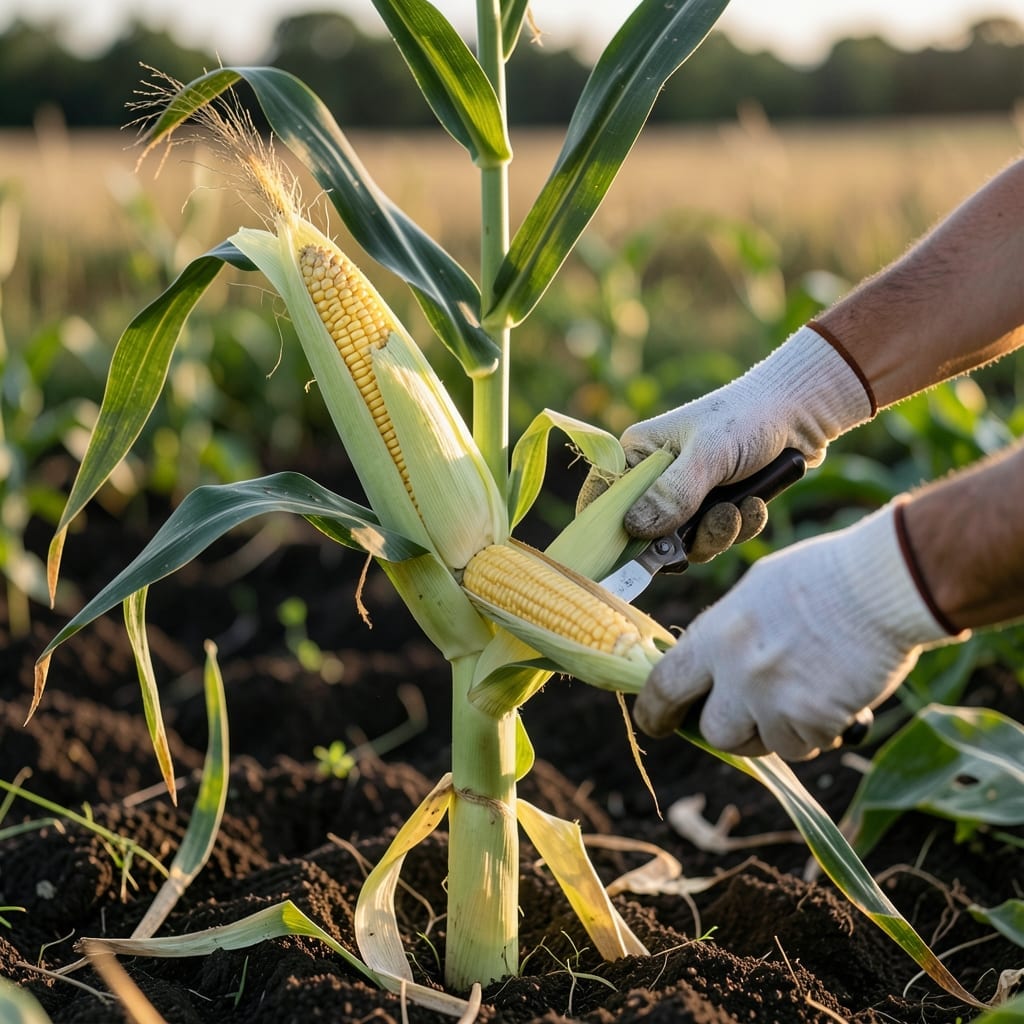
Nothing beats the satisfaction of harvesting 🌽 Corn at its peak, but picking it too early or too late can ruin the flavor. Knowing the exact signs of ripeness ensures every ear is bursting with natural sweetness.
I’ve learned that timing is everything when it comes to perfect harvests. The difference between a mediocre ear and a mouthwatering one often comes down to just a few key indicators.
Discover the simple visual and physical cues that will help you determine when your Corn is truly ready to pick. Let’s make this season your most successful yet.
I always check my corn plants for specific visual cues to determine harvest readiness. The first thing I look for is the silk color—it should turn from fresh green to brown and dry at the tips.
The husk should appear green and tight around the ear. If it feels loose or looks yellowed, the corn may be overripe or past its prime.
| Sign | What to Look For |
|---|---|
| Silk Color | Brown and dry |
| Husk Appearance | Green and tight |
| Ear Firmness | Plump and full |
| Kernel Test | Milky liquid when pierced |
The ear firmness test is another reliable method. I gently squeeze the ear through the husk—if it feels plump and full, it’s likely ready. A thin or underfilled ear means it needs more time on the stalk.
For absolute certainty, I use the kernel test. I peel back a small section of husk and press a kernel with my thumbnail. If it releases a milky white liquid, it’s at peak ripeness.
If the liquid is clear, the corn isn’t ready yet. If it’s thick or doughy, it may be overmature. This test is the most accurate way to confirm readiness.
Timing also plays a role. Most sweet corn varieties are ready about 20 days after the silks first appear. I keep a garden journal to track silking dates for each planting.
I’ve found that morning harvests yield the sweetest corn because the sugar content is highest before the day’s heat converts it to starch. This is especially true for super-sweet varieties.
Don’t rely on just one sign. I combine silk color, ear firmness, and the kernel test for the most accurate assessment. This multi-check approach prevents premature picking or leaving corn too long.
With practice, I’ve learned to spot these signs quickly. Now, I confidently harvest my corn at its peak flavor every time. ✂️
I’ve seen many gardeners make the mistake of relying solely on silk color to judge corn readiness. While brown silks are a good indicator, they can dry out before the kernels are fully mature, leading to premature harvesting.
Another common error is checking corn too early in the morning when dew is still present. This can interfere with the kernel liquid test and give false readings about maturity.
Don’t rely only on silk color—always confirm with the kernel test for accuracy.
Some gardeners also ignore the ear development stages. Corn goes through distinct phases, and picking during the milk stage is crucial for sweetness. Wait until the kernels are fully formed but still tender.
I’ve learned that harvesting too late in the day can also be problematic. The heat of the afternoon can cause sugars to convert to starch, reducing the corn’s natural sweetness by the time you pick it.
Another mistake is not checking multiple ears on the same plant. Ripening can vary, even on the same stalk, so I always test 2-3 ears to get a true sense of the crop’s readiness.
Finally, don’t overlook the husk condition. A yellowing or loose husk often signals that the corn is past its prime and may have tough or starchy kernels.
By avoiding these common mistakes, I ensure every harvest is at its peak flavor and texture. ✂️