
Beautiful Plants For Your Interior
Beautiful Plants For Your Interior
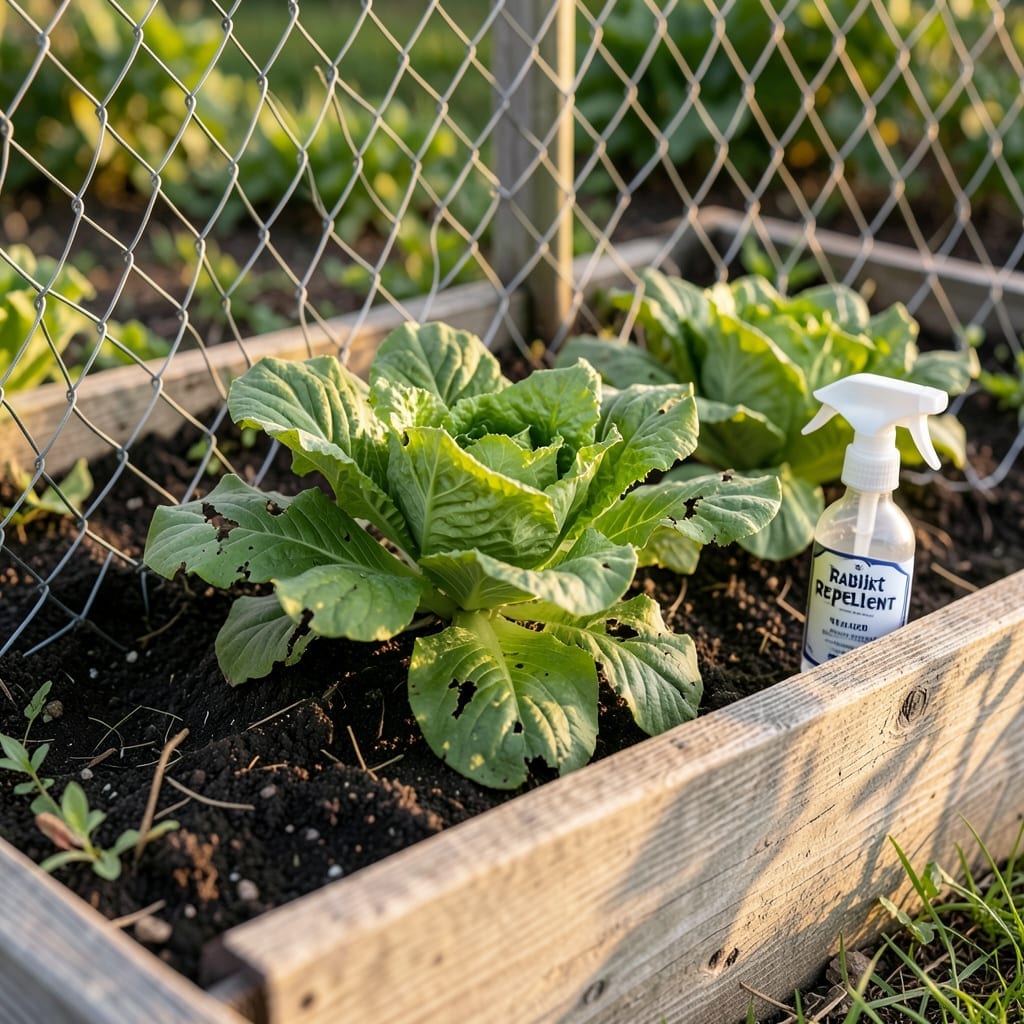
Watching your carefully nurtured General Garden Plants 🌱 become a bunny buffet is frustrating. Those adorable creatures can wreak havoc overnight, leaving you wondering how to reclaim your garden.
Fortunately, there are humane and effective ways to protect your plants without harming local wildlife. From natural repellents to physical barriers, these proven methods will keep your garden thriving.
Discover how to outsmart those fluffy invaders and enjoy a flourishing garden all season long. Let’s dive into the solutions.
When bunnies start nibbling your garden plants, physical barriers are your first line of defense. I’ve found that a well-placed fence can work wonders for protecting vulnerable areas.
For best results, use chicken wire or hardware cloth with 1-inch mesh or smaller. The barrier should be at least 2 feet high to deter jumping rabbits.
| Barrier Type | Material | Height Needed | Best For |
|---|---|---|---|
| Chicken Wire Fence | Galvanized wire | 2-3 ft | Vegetable gardens |
| Hardware Cloth | Metal mesh | 2 ft minimum | Small plants |
| Plant Cages | Wire or plastic | 1-2 ft | Individual plants |
| Netting | Polypropylene | Flexible | Seedlings |
For raised beds, I recommend adding vertical extensions to existing structures. A 1-foot overhang at the top can discourage climbing pests.
Temporary solutions like cloches or row covers work well for young plants. These lightweight barriers protect seedlings until they’re established.
If you’re protecting tall plants, consider individual plant cages. These allow growth while keeping rabbits at bay. I’ve used them successfully for tomato plants and pepper plants.
For large gardens, electric fencing might be worth considering. While more expensive, it provides long-term protection with minimal maintenance.
Finally, combine barriers with other methods for best results. I’ve found that physical deterrents work best when paired with natural repellents for comprehensive protection.
🌿When physical barriers aren’t enough, natural repellents can be your next line of defense. I’ve had great success with homemade sprays using garlic or hot peppers to deter bunnies.
These strong-smelling solutions confuse rabbits’ sensitive noses. Simply blend garlic cloves or cayenne peppers with water and spray around your garden’s perimeter.
| Repellent Type | Application | Duration | Best For |
|---|---|---|---|
| Garlic Spray | Weekly | 7-10 days | Vegetable gardens |
| Hot Pepper Spray | After rain | 5-7 days | Flower beds |
| Predator Urine | Monthly | 30 days | Large areas |
| Commercial Repellent | As directed | Varies | All gardens |
For a more long-lasting solution, consider predator urine granules. These mimic natural threats and can be sprinkled around your garden’s edge.
Commercial repellents are also available at garden centers. Look for products containing putrescent eggs or plant oils for effective, humane results.
Combine repellents with other methods for maximum protection. I’ve found this multi-layered approach works best for maintaining a bunny-free garden all season long. 🌱