
Beautiful Plants For Your Interior
Beautiful Plants For Your Interior
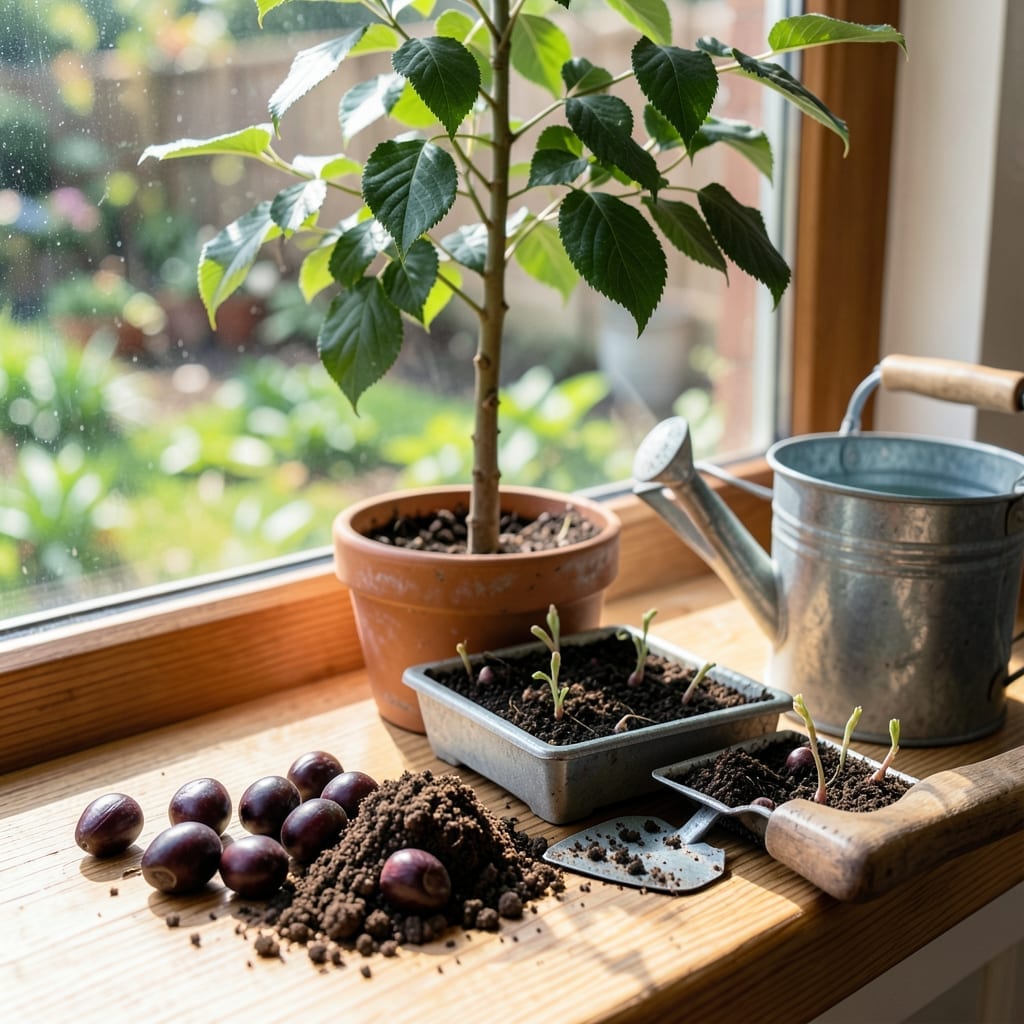
Imagine turning a simple 🍒 Cherry Tree pit into a thriving tree that bears fruit for years to come. It sounds like magic, but it’s completely doable with the right approach.
I’ve discovered that growing these trees from pits is both easier and more rewarding than most people realize. The process transforms what would be waste into a productive addition to your garden.
Let me walk you through the essential steps that will set you up for success. You’ll be amazed at how a little patience can yield big results.
Starting cherry trees from pits is a cost-effective and rewarding project for any gardener. I love how this method turns what’s usually discarded into a thriving tree. The key is patience and following the right steps to break dormancy.
First, select healthy pits from fully ripe cherries. Avoid damaged or diseased fruit, as this can affect germination. I’ve found that sweet cherries like Bing or Rainier work best for home growers.
I always emphasize the stratification step—it mimics winter conditions and is critical for germination. Without it, your pits may never sprout, no matter how well you care for them.
Once planted, maintain even moisture in the soil. I use a spray bottle to mist the surface lightly, preventing the soil from drying out while avoiding waterlogging. A clear plastic cover can help retain humidity.
Place your pots in a warm, sunny spot, ideally with 6-8 hours of sunlight daily. If starting indoors, a south-facing window works wonders. I’ve had great success with this setup.
Be patient—germination can take weeks or even months. Once sprouts appear, remove any plastic cover and ensure they get plenty of light to prevent leggy growth. I thin out weaker seedlings to give the strongest ones room to thrive.
When your seedlings are 3-4 inches tall, it’s time to transplant. Choose a spot with rich, well-draining soil and plenty of space for mature growth. I always add compost to give them a nutrient boost.
Remember, cherry trees from pits may not produce fruit identical to the parent tree. But the joy of growing your own tree from scratch is unmatched. With care, your sapling will grow into a beautiful, fruit-bearing addition to your garden.
This process teaches patience and the reward of nurturing life from the very beginning 🌱
Getting cherry pits to germinate successfully requires more than just planting and hoping. I’ve learned through experience that a few key factors can make all the difference in your success rate.
First, always select pits from ripe, healthy cherries. I prefer sweet varieties like Stella or Lapins because they tend to have higher germination rates than tart cherries.
The stratification period is non-negotiable. I’ve seen pits fail to sprout when this step was rushed or skipped. The cold treatment breaks the seed’s dormancy and signals it’s time to grow.
Moisture control is another critical factor. I check my stratified pits weekly, ensuring the paper towel stays damp but not dripping. Too much moisture can lead to mold growth, which will ruin your efforts.
When planting, use a light, airy soil mix. I recommend adding perlite or vermiculite to improve drainage. This prevents the pits from rotting before they can sprout. Plant them about 1 inch deep for best results.
Patience is your greatest tool. I’ve had pits take anywhere from 4 weeks to 3 months to germinate. Don’t give up if you don’t see immediate results—keep the soil moist and wait for nature to take its course.
These small but crucial details will significantly boost your chances of success 🌱