
Beautiful Plants For Your Interior
Beautiful Plants For Your Interior
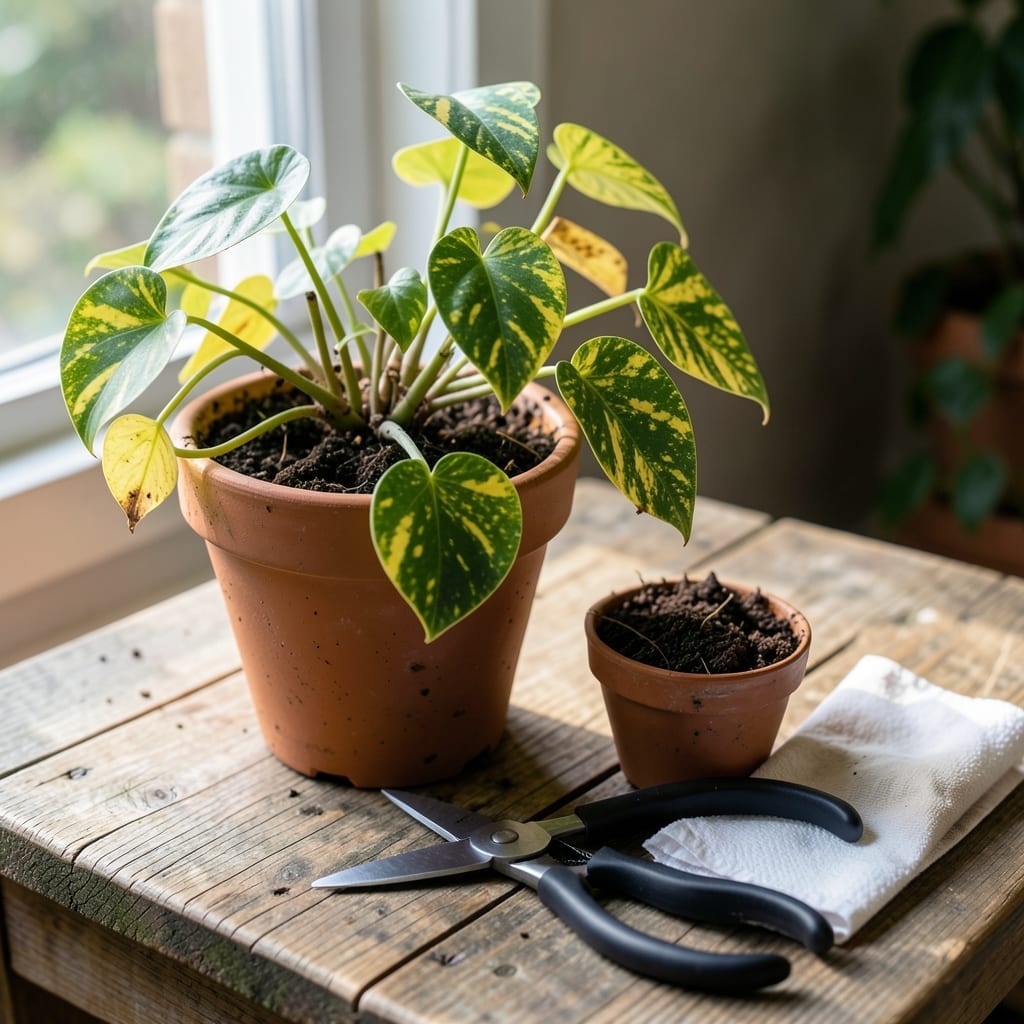
Yellow leaves and soggy soil spell trouble. Overwatering suffocates roots, but there’s still hope if you act fast.
I’ve saved dozens of plants by first removing them from waterlogged soil. The key is letting roots dry while trimming any black, mushy sections.
Within 24-48 hours, healthy roots will firm up. Repot in fresh, well-draining mix and adjust your watering habits moving forward.
Works for houseplants, garden favorites, and even potted trees. This method pulls plants back from the brink.
Overwatering is a common mistake, often made with good intentions. Here’s why it happens and the science behind it:
When pots lack drainage holes or use compacted soil, water can’t escape. This creates a waterlogged environment where roots suffocate due to oxygen deprivation. Healthy roots need air pockets in the soil to breathe, and without them, they drown and rot.
Many plant owners water on a fixed schedule rather than checking soil moisture. Plants have varying needs—some thrive in dry conditions, while others prefer consistent dampness. Overwatering disrupts the osmotic balance, where roots absorb too much water, leading to cell damage and decay.
Oversized pots hold excess moisture, especially if the soil mix doesn’t drain well. Plastic pots retain water longer than terracotta, which breathes better. Without proper airflow, fungal and bacterial growth accelerate, attacking weakened roots.
Dense, clay-heavy soils trap water instead of letting it flow through. Peat-based mixes can also stay soggy if not balanced with perlite or sand. The key is a well-aerated medium that holds just enough moisture without drowning the roots.
Overwatering can drown your plant’s roots, but quick action can bring it back to life. Below are targeted fixes for common symptoms, plus ways to prevent a repeat.
Stop watering immediately and let the soil dry out. Check moisture by sticking your finger 1-2 inches into the soil—only water when the top layer feels dry. Prevention tip: Use a moisture meter or a wooden skewer to gauge dryness before watering again. 💡
If the pot lacks drainage holes, repot your plant into one with holes at the bottom. Use a well-draining potting mix with perlite or sand to help excess water escape. Prevention tip: Elevate pots on a tray with pebbles to avoid waterlogging. ✨
Gently remove the plant from its pot and inspect the roots. Trim any black, mushy roots with clean scissors, then repot in fresh, dry soil. Prevention tip: Avoid over-sized pots—they hold too much moisture. 🎯
Move the plant to a brighter, breezier spot to help the soil dry faster. Remove any visible mold or fungus from the soil surface. Prevention tip: Space plants apart to improve air circulation. 🌡️
With these fixes, your plant can bounce back in no time—just be patient and consistent!
Look for yellowing leaves, mushy stems, or soil that stays soggy for days. A foul smell from the soil is another red flag.
Yes! Trim all black, mushy roots with sterilized scissors, then repot in fresh, dry soil. Avoid watering for 3-5 days to let roots recover.
Use a well-draining mix with perlite or sand. Cactus/succulent soil works well for most houseplants.
Wait until the top 1-2 inches of soil are dry. Check with your finger before watering again.