
Beautiful Plants For Your Interior
Beautiful Plants For Your Interior
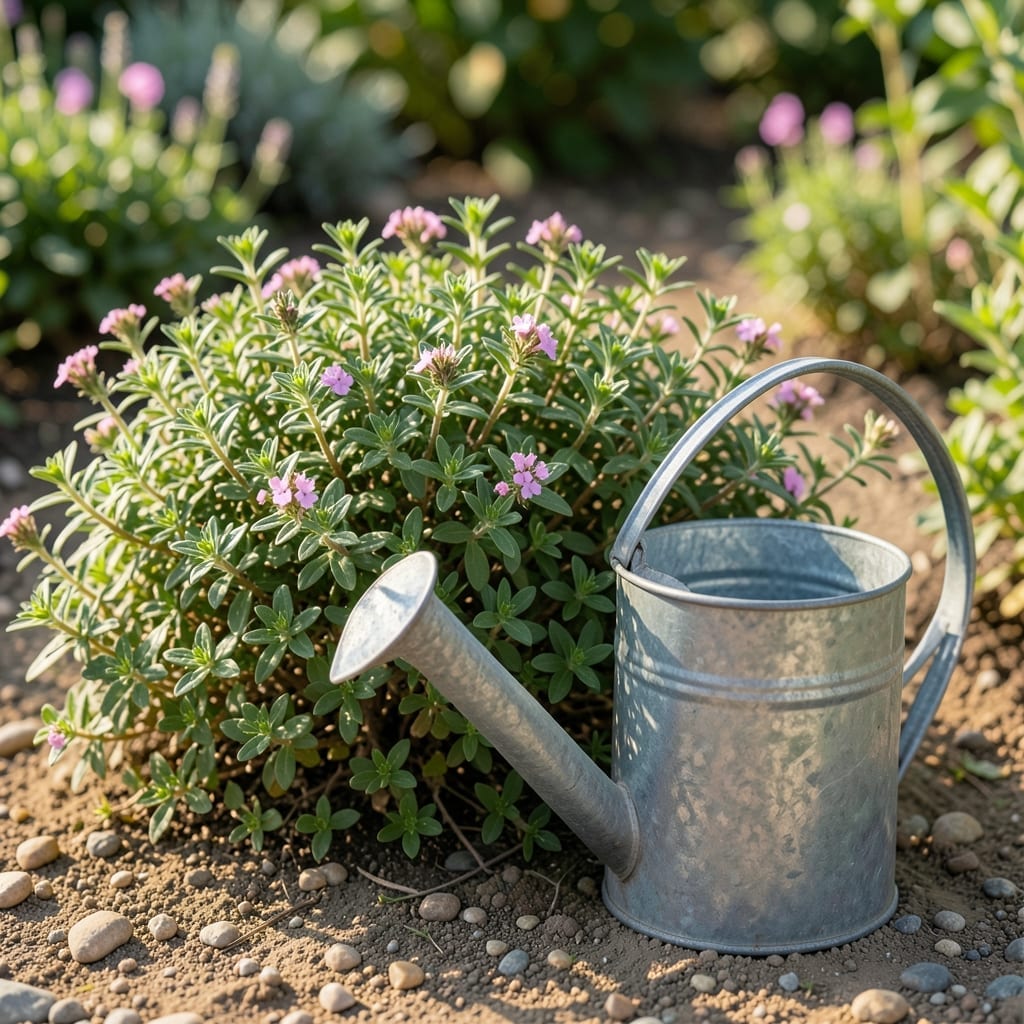
Watching your once-thriving 🌿 Thyme wither can be disheartening, but don’t pull it up just yet. Even struggling plants can make a remarkable comeback with the right approach.
I’ve seen many gardeners give up too soon, not realizing how resilient Thyme can be. The key often lies in identifying what went wrong in the first place.
Whether it’s overwatering, poor drainage, or pests, there’s usually a simple fix to nurse your plant back to health. And the best part? It’s easier than you think.
Let me walk you through the exact steps to revive your Thyme and get it thriving again. You’ll be surprised how quickly it can bounce back.
When I notice my thyme plant wilting, the first thing I do is check the soil moisture. Overwatering is a common issue, as thyme prefers dry conditions over soggy roots. Stick your finger in the soil—if it feels damp, hold off on watering.
Next, I inspect the leaves and stems for signs of pests or disease. Yellowing leaves often indicate overwatering, while brown spots may signal a fungal issue. Prune away any damaged foliage to help the plant focus its energy on recovery.
If your thyme is in a poorly draining pot, repotting can make a huge difference. I use a mix of potting soil and perlite or sand to improve drainage. This prevents root rot and encourages healthy growth.
Sunlight is critical for thyme. If your plant is leggy or sparse, it’s likely not getting enough light. Move it to a south-facing window or a spot outdoors with full sun exposure. Thyme thrives in bright, direct light.
Sometimes, nutrient deficiencies can cause thyme to decline. I avoid heavy fertilizers, but a light feed of balanced fertilizer every 6-8 weeks during the growing season can help. Remember, thyme prefers lean soil over rich soil.
If pests like spider mites or aphids are the issue, I treat my thyme with a gentle spray of water or neem oil. This keeps the plant healthy without harsh chemicals that could harm its aromatic leaves.
Finally, I always monitor progress after making changes. It can take 2-3 weeks to see improvement, so be patient. With the right adjustments, your thyme should start perking up and regaining its vigor.
Prevention is key to avoiding future issues. I
By following these steps, I’ve revived many struggling thyme plants. The key is consistency and attention to the plant’s needs. With a little care, your thyme will be thriving again in no time. 🌿
Even the most dedicated gardeners can unintentionally harm their thyme plants with common oversights. I’ve seen overwatering and poor drainage turn healthy plants into sad, wilting specimens far too often.
Another frequent issue is insufficient sunlight, as thyme thrives in full sun. Without at least 6 hours daily, it struggles to grow strong and aromatic.
⚠️ Warning: Avoid These Thyme Killers
I’ve learned that wrong soil type is another silent killer. Thyme prefers sandy, well-draining soil and despises heavy, clay-like mixes that retain too much moisture.
Improper pruning can also stress your plant. Always use clean, sharp shears and never remove more than 1/3 of the plant at once to avoid shocking it.
If your thyme is in a container, ensure it has drainage holes. Without them, water pools at the roots, leading to root rot and a slow, painful decline.
Finally, ignoring pests like spider mites or aphids can weaken thyme. I check my plants weekly for early signs and treat with neem oil if needed. A little attention prevents big problems 🌿