
Beautiful Plants For Your Interior
Beautiful Plants For Your Interior
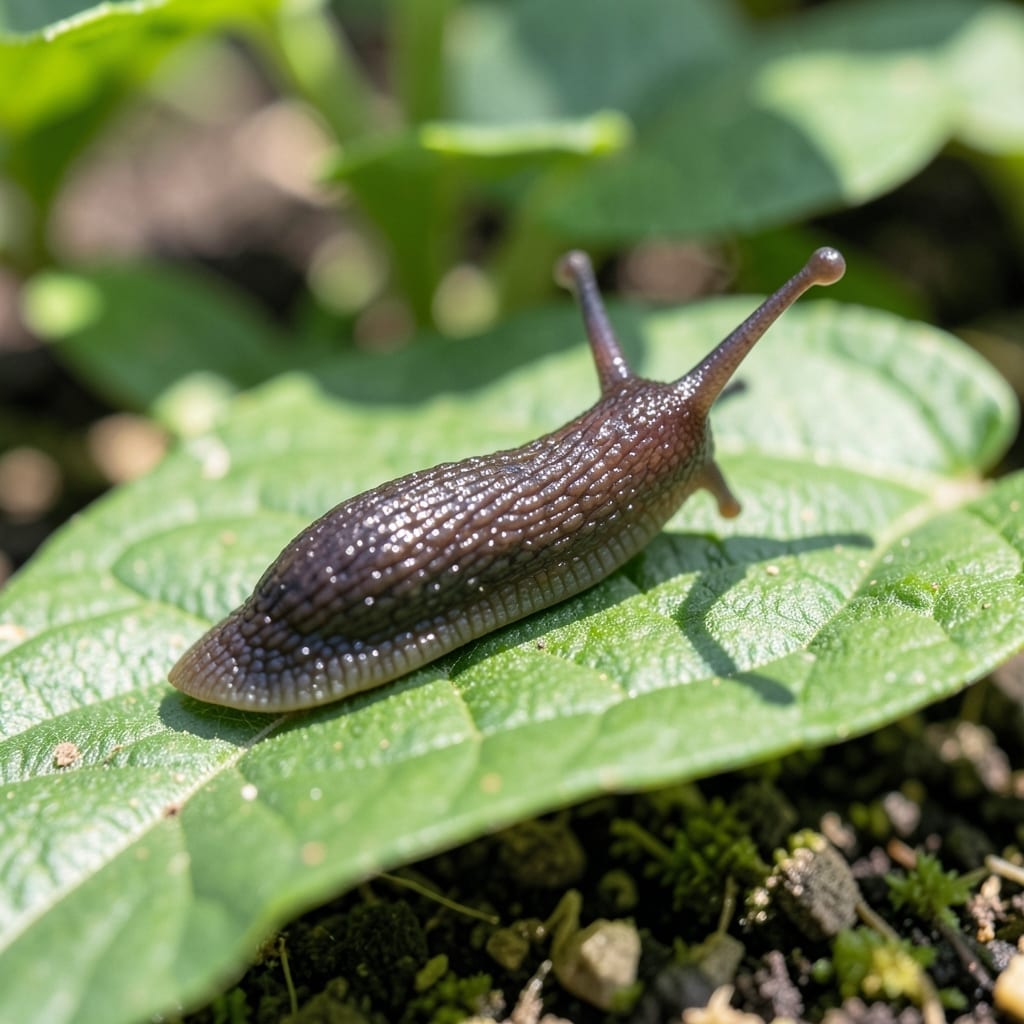
I lost an entire row of lettuce to slugs last spring. They’re every gardener’s nightmare, but I’ve since discovered simple, chemical-free ways to keep them away from your plants.
Copper tape around beds, crushed eggshells as barriers, and beer traps work surprisingly well. The key is consistency—slugs are persistent. I now check my garden every morning for early signs.
Companion planting helps too. Strong-smelling herbs like rosemary and sage naturally repel slugs while adding beauty to your garden. The plants protect each other.
These methods protect without harming the ecosystem. Your garden stays productive and slug-free, season after season.
Slugs thrive in gardens due to a combination of environmental and biological factors. Understanding these causes helps you target prevention more effectively.
Slugs are attracted to damp environments, as they require moisture to survive. Overwatered soil, poor drainage, or frequent rain create ideal conditions for them to feed and reproduce. Mulch and dense plant foliage also retain moisture, offering shelter during dry spells.
Gardens rich in decaying organic matter, like compost or leaf litter, provide slugs with a buffet of nutrients. They also target tender young plants, soft fruits, and vegetables, which are easier to consume than tougher, mature foliage.
When ecosystems lack balance, slug populations can explode. Birds, beetles, frogs, and hedgehogs naturally prey on slugs, but urban gardens or pesticide use may reduce these predators, leaving slugs unchecked.
Slugs are nocturnal and seek shelter during the day. Overgrown vegetation, wooden boards, rocks, or garden debris provide perfect hiding places, protecting them from sunlight and predators while keeping them close to food sources.
Tackling slugs doesn’t have to be a losing battle. Try these practical fixes to reclaim your garden.
Slugs love beer—use it against them! Bury a shallow container (like a yogurt cup) filled with beer so the rim is level with the soil. Slugs will crawl in, drown, and save your plants. Prevention tip: Refresh the beer every few days for best results.
Create a physical barrier slugs won’t cross. Sprinkle crushed eggshells, diatomaceous earth, or copper tape around plant bases. These irritate slugs’ soft bodies or deliver a mild electric shock (copper). Prevention tip: Reapply after rain.
Encourage slug-eating allies like birds, frogs, and ground beetles. Set up birdhouses, a small pond, or log piles to attract them. Prevention tip: Avoid pesticides—they harm these helpful predators too!
Choose slug-resistant plants like lavender, rosemary, or geraniums. Their strong scents or tough leaves deter slugs. Prevention tip: Interplant these with vulnerable species for added protection.
Pro tip 💡: Handpick slugs at dusk or dawn (when they’re most active) and relocate them far from your garden.
Yes! Sprinkle used coffee grounds around plants—the caffeine is toxic to slugs. It also adds nitrogen to your soil. Reapply after heavy rain for best results.
Look for them at dusk or dawn when they’re most active. Use a flashlight to spot their silvery trails on leaves and soil. Early morning checks catch them before they hide.
Avoid salt—it harms soil health and plants. While it kills slugs on contact, it creates barren patches in your garden. Stick to gentler methods like barriers or traps.
Slugs adapt quickly. Rotate tactics like beer traps, copper tape, and diatomaceous earth to keep them guessing. Consistency and variety are key to long-term success.