
Beautiful Plants For Your Interior
Beautiful Plants For Your Interior
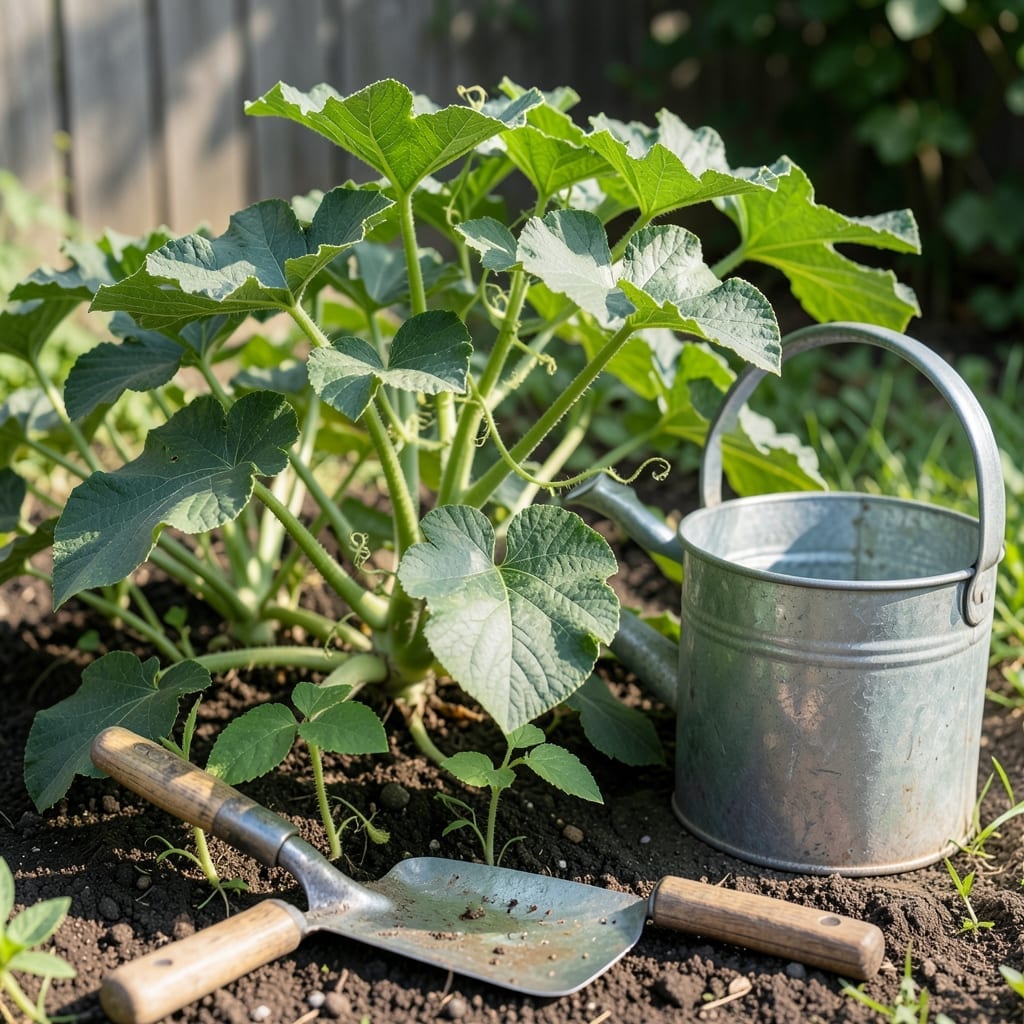
Growing juicy, sweet 🍉 Watermelon at home is easier than you think. With the right planting techniques, you can enjoy a bountiful harvest all summer long.
I’ll walk you through the simple steps to get your Watermelon plants off to a strong start. From soil prep to initial care, these methods ensure healthy growth.
Discover how to avoid common mistakes that could hinder your plants. Let’s make this your most successful planting season yet.

Planting watermelon seeds is a rewarding experience that starts with proper soil preparation. I always begin by choosing a sunny location with well-draining soil. Watermelons thrive in warm conditions, so timing is everything.
For best results, wait until the soil temperature reaches at least 70°F. This ensures optimal germination. I recommend testing your soil with a soil thermometer before planting. 🌡️
Once your seeds are planted, consistent moisture is key for germination. I water my watermelon patches daily until the seeds sprout, which usually takes 7-10 days. Be careful not to overwater, as this can cause rot.
After germination, I reduce watering to 2-3 times per week, ensuring the soil stays evenly moist. Watermelons have deep roots, so deep watering encourages strong growth. A drip irrigation system works wonders here. 💧
It’s important to mulch around your plants to retain moisture and suppress weeds. I use straw or grass clippings as mulch, which also helps keep the soil temperature stable. This simple step can significantly improve your harvest.
As your watermelon vines grow, they’ll need space to sprawl. I ensure each plant has at least 3-4 feet of space in all directions. If space is limited, consider training vines vertically on a trellis, though this may affect fruit size.
Watermelons are heavy feeders, so I fertilize them with a balanced 10-10-10 fertilizer every 3-4 weeks. Be careful not to over-fertilize, as this can lead to excessive leaf growth at the expense of fruit production.
Monitor your plants for pests like cucumber beetles or aphids. I use row covers early in the season to protect young plants. Once flowers appear, remove the covers to allow for pollination by bees.
With proper care, your watermelon plants will start producing vines within 4-6 weeks. The first flowers typically appear after 8 weeks, and with good pollination, you’ll see small fruits forming soon after. ☀️
Creating the ideal growing conditions is essential for healthy watermelon plants. I focus on providing the right balance of sunlight, water, and nutrients to ensure strong growth and a bountiful harvest.
Watermelons thrive in full sun, requiring at least 6-8 hours of direct sunlight daily. They also prefer warm temperatures, with soil temperatures above 70°F for optimal growth. 🌡️
| Requirement | Specification |
|---|---|
| Sunlight | 6-8 hours daily |
| Water | 1-2 inches weekly |
| Soil pH | 6.0-6.8 |
| Temperature | 70-85°F |
| Spacing | 3-4 feet apart |
For soil conditions, watermelons prefer well-draining, fertile soil with a pH between 6.0 and 6.8. I always amend my soil with compost before planting to provide essential nutrients.
Watering is critical, especially during fruit development. I aim for 1-2 inches of water per week, ensuring the soil stays evenly moist but not soggy. Drip irrigation is ideal to keep foliage dry and prevent disease. 💧
Watermelons are heavy feeders, so I fertilize with a balanced 10-10-10 fertilizer every 3-4 weeks. This helps support their rapid growth and fruit production.
Lastly, space is crucial. Each plant needs 3-4 feet of space to sprawl. If space is limited, consider using a trellis, though this may result in smaller fruits. Proper spacing ensures good air circulation and reduces disease risk. 🌱