
Beautiful Plants For Your Interior
Beautiful Plants For Your Interior
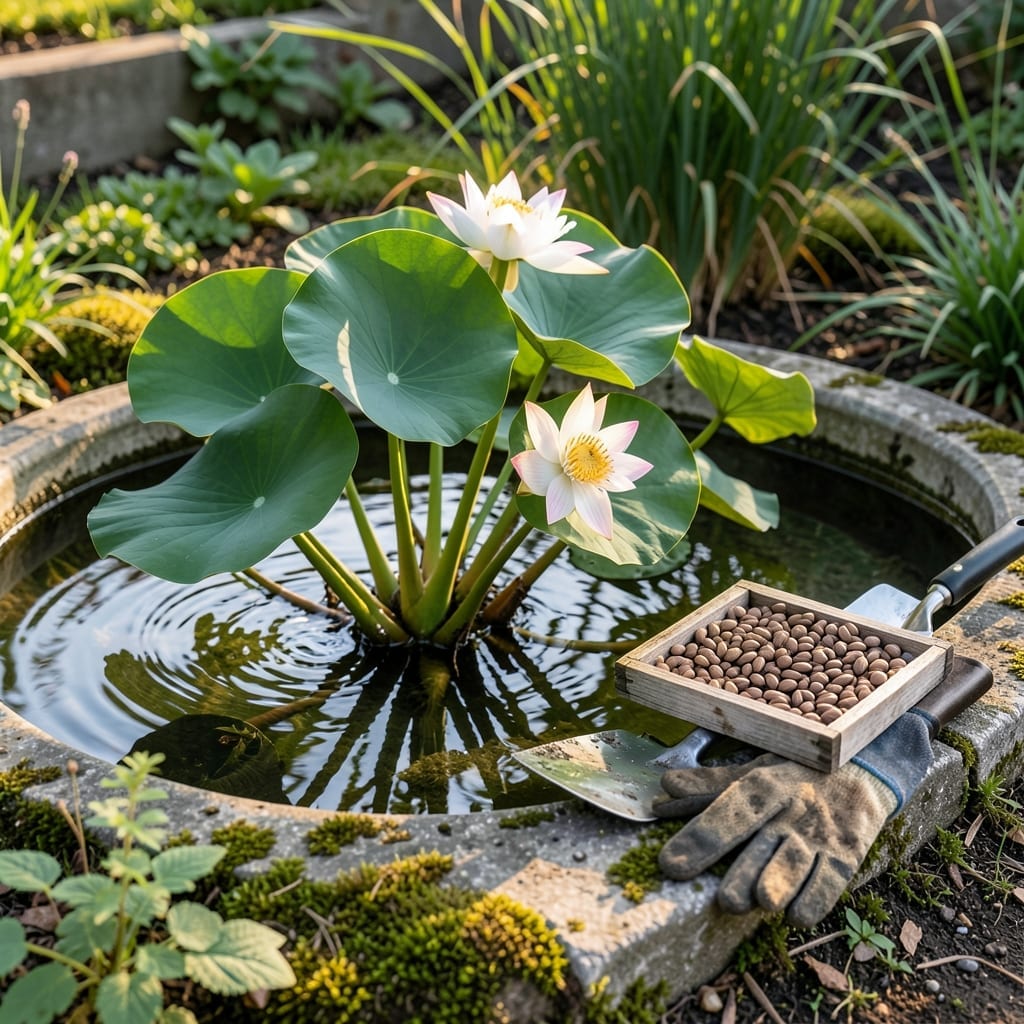
Imagine your pond coming to life with the delicate beauty of 🌸 Water Lily blooms. It all starts with planting those tiny seeds, a simple process that yields stunning results.
Whether you’re new to water gardening or have years of experience, getting this right ensures vibrant aquatic plants. The key is knowing the proper steps from preparation to care.
Discover how to create the perfect conditions for your Water Lily seeds to thrive in zones 4-10. Let me guide you through the essentials for success.
Planting water lily seeds is a rewarding way to bring vibrant blooms to your pond. I’ve found that success starts with proper seed preparation and the right planting medium to ensure strong germination.
Begin by selecting healthy seeds and soaking them in warm water for 24-48 hours. This softens the seed coat and kickstarts the germination process. Use dechlorinated water to avoid harming the seeds.
I always use a shallow container filled with heavy clay soil or a specialized aquatic planting mix. Avoid regular garden soil, as it can cloud your pond water and lacks the nutrients aquatic plants need.
Press the water lily seeds lightly into the soil, ensuring they’re barely covered. This allows light to penetrate while keeping the seeds in place. I’ve learned that over-burying seeds can prevent germination.
Submerge the container in 2-6 inches of warm water, ideally between 70-80°F. Water lilies thrive in consistent warmth, so avoid placing them in cold or fluctuating temperatures.
Place the container in a spot with full sun exposure. Water lilies need at least 6 hours of direct sunlight daily to grow strong and produce vibrant blooms. If your pond lacks sun, consider a sunny windowsill for initial growth.
Once the first leaves appear, gradually move the container to deeper water. This encourages root development and prepares the seedlings for their permanent home in your pond.
Ensure the water level remains consistent to keep the soil moist. I check daily to avoid drying out or flooding, both of which can kill young seedlings. A little attention here goes a long way.
With patience and care, your water lily seeds will grow into stunning plants that transform your pond into a tranquil retreat. 🌸
Creating the perfect environment for water lily seeds to sprout is key to their success. I focus on water temperature, light exposure, and the right container selection to ensure healthy growth.
Warm water between 70-80°F is ideal for germination. Seeds struggle in colder temperatures, so maintaining consistency is critical. I always use a thermometer to monitor the water closely.
| Requirement | Specification |
|---|---|
| Water Temperature | 70-80°F |
| Light Exposure | 6+ hours of sun |
| Container Depth | 2-6 inches |
| Soil Type | Heavy clay soil |
| Nutrient Needs | Aquatic fertilizer |
Light exposure is another critical factor. Water lilies need at least 6 hours of direct sunlight daily. Without it, seedlings can become weak and leggy, struggling to produce blooms.
For containers, I recommend shallow, wide pots to allow for proper root development. Avoid deep containers, as they can trap cold water at the bottom, slowing germination. Always use heavy clay soil to anchor the seeds.
Nutrient requirements are often overlooked. Once seedlings emerge, a slow-release aquatic fertilizer helps. I apply it sparingly, as too much can harm young plants. Balance is key for healthy growth.
Finally, keep the water level consistent. Fluctuations can stress the seeds, while stagnant water may lead to rot or algae. A simple check each morning ensures everything stays on track. 🌸