
Beautiful Plants For Your Interior
Beautiful Plants For Your Interior
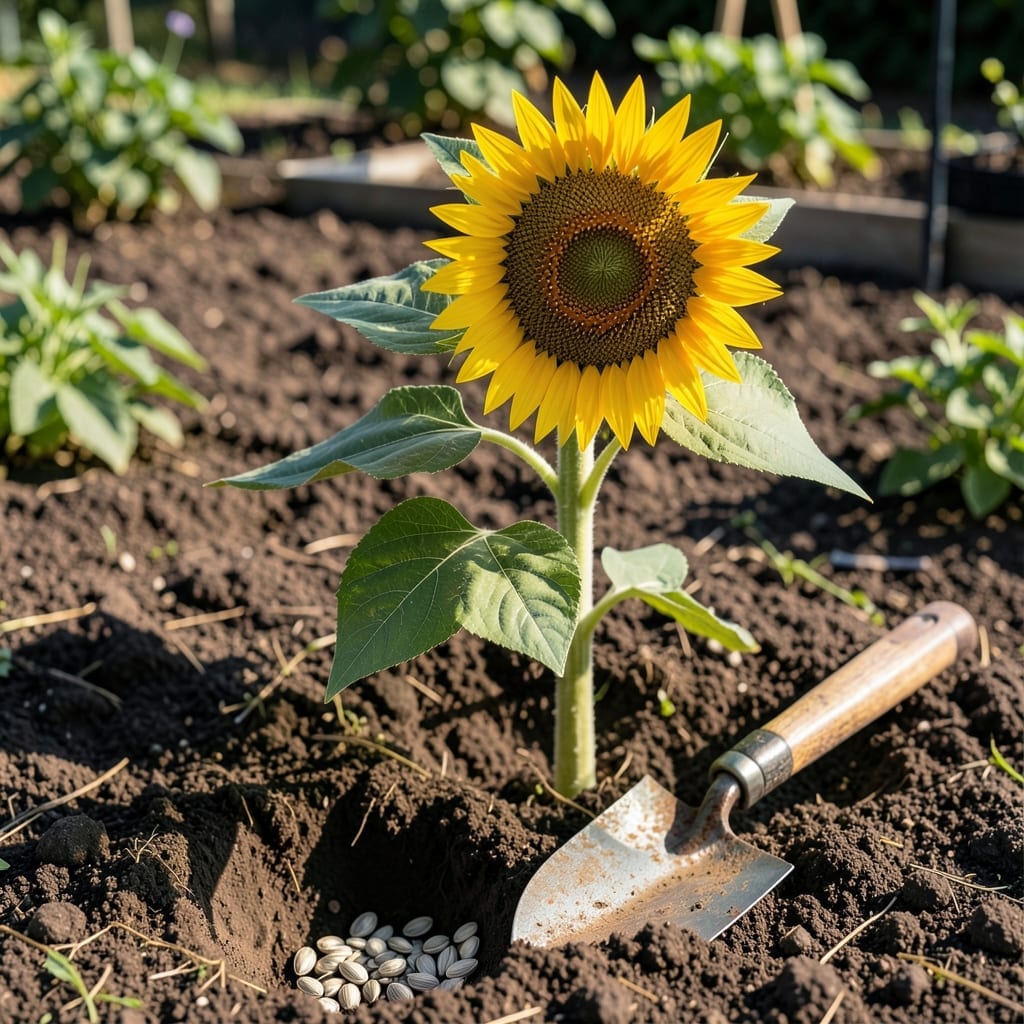
Transform your garden into a vibrant summer paradise by learning the right way to grow these cheerful giants. They’re easier to cultivate than you might think.
The 🌻 Sunflower thrives in USDA Zone 6 and brings unmatched beauty with minimal effort. With the proper steps, you’ll enjoy towering blooms from August to October.
I’ll guide you through each stage, from soil prep to harvest, so you can avoid common pitfalls. Let’s get started on your sunflower success story.


Planting sunflower seeds is a rewarding way to bring vibrant color and life to your garden. With the right approach, you’ll enjoy towering blooms that brighten up any space.
I’ve found that timing and preparation are key to success. Start by choosing a sunny spot with well-draining soil, as sunflowers thrive in full sunlight and need room to grow.
Once your sunflower seeds are planted, consistent watering is crucial for the first few weeks. I recommend morning watering to reduce evaporation and prevent fungal issues.
As the seedlings grow, thin them to 12-18 inches apart for dwarf varieties or 24-36 inches for giant sunflowers. This spacing ensures they have enough room to thrive.
Sunflowers are heavy feeders, so I suggest adding compost or slow-release fertilizer to the soil before planting. This gives them the nutrients they need for strong stems and vibrant blooms.
Mulching around the base of your sunflowers helps retain moisture and suppresses weeds. Use organic mulch like straw or wood chips for the best results.
Watch for pests like aphids or diseases such as powdery mildew. If you notice any issues, treat them early with organic solutions like neem oil.
With these steps, you’ll be well on your way to growing healthy, beautiful sunflowers that stand tall and proud in your garden. It’s a simple process with big rewards 🌻
Choosing the right sunflower variety can make all the difference in your garden. Each type has unique traits that suit different spaces and purposes.
I love experimenting with dwarf, giant, and multi-bloom varieties to create visual interest. Whether you want towering giants or compact blooms, there’s a perfect fit.
| Variety | Mature Height | Ideal Use | Bloom Time |
|---|---|---|---|
| Dwarf Sunspot | 2-3 ft | Containers, borders | 60-70 days |
| Moulin Rouge | 5-6 ft | Cut flowers, pollinators | 70-80 days |
| Russian Giant | 10-12 ft | Backdrop, seed harvest | 80-120 days |
| Autumn Beauty | 5-7 ft | Multi-color display | 75-90 days |
Dwarf varieties like Sunspot are perfect for small spaces or container gardening. They pack big beauty in a compact form.
For dramatic height, Russian Giant can reach 12 feet tall with massive flower heads. These are ideal for creating a living privacy screen or focal point.
Multi-bloom types like Autumn Beauty produce multiple flowers per stem in shades of yellow, orange, and red. They’re great for cut flower arrangements.
Consider your garden’s sunlight and space when selecting seeds. Most sunflowers need full sun and well-draining soil to thrive.
With so many options, you can create a sunflower garden that blooms from summer to fall 🌻