
Beautiful Plants For Your Interior
Beautiful Plants For Your Interior
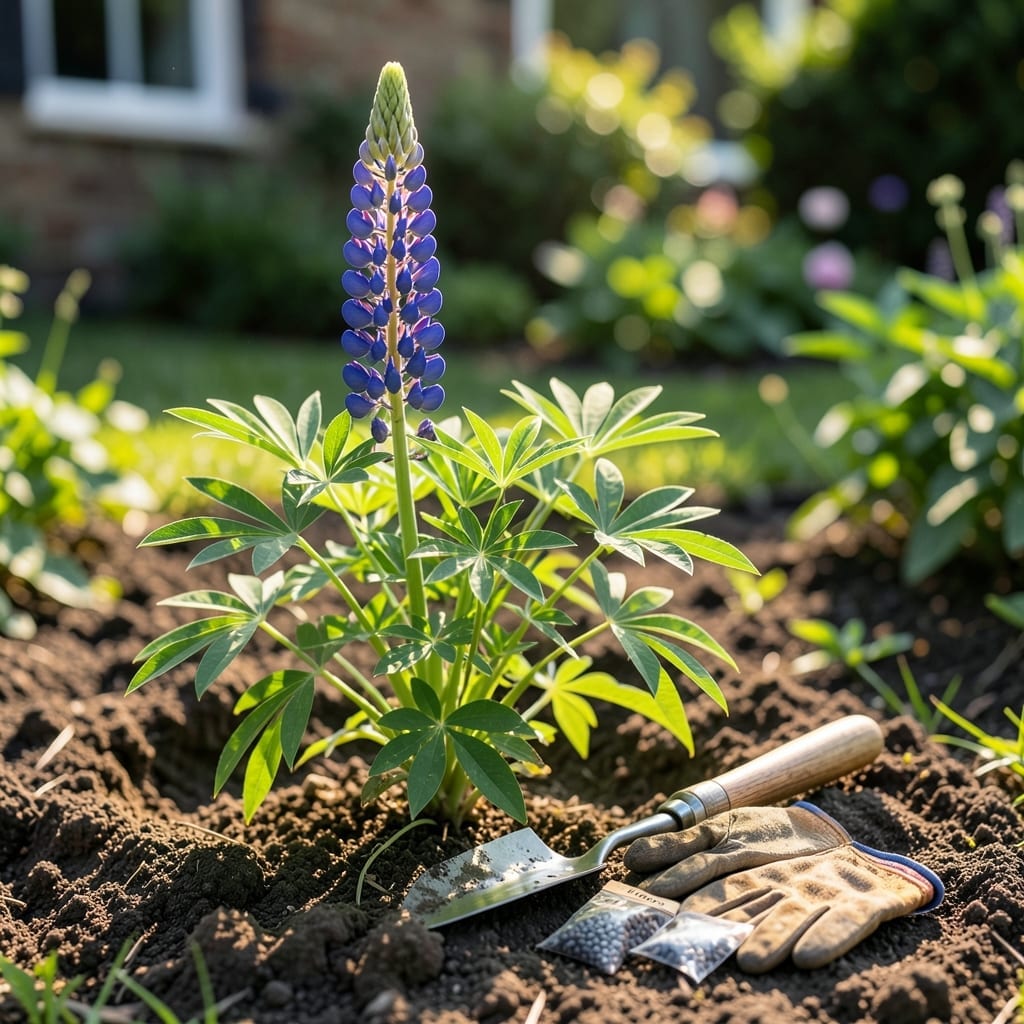
Transform your garden with stunning 🌸 Lupine blooms by mastering the simple yet rewarding process of planting these vibrant perennials. There’s something magical about watching those first colorful spikes emerge.
I’ve discovered that with a few key steps, anyone can achieve strong germination and healthy growth. Whether you’re a seasoned gardener or just starting out, the process is more straightforward than you might think.
Let me walk you through the essentials of soil prep, planting depth, and aftercare. You’ll be amazed at how these nitrogen-fixing beauties can transform your outdoor space.
Planting lupine seeds is a rewarding process that starts with understanding their unique needs. I’ve found that these nitrogen-fixing perennials thrive in well-draining soil with a slightly acidic to neutral pH.
The best time to plant is early spring or fall, when temperatures are cool. This gives the seeds the ideal conditions to germinate and establish before extreme weather sets in.
For optimal germination, I recommend scarifying the seeds first. This simple step significantly boosts germination rates by allowing water to penetrate the seed coat more easily.
Once planted, keep the soil consistently moist but avoid overwatering, as lupines are susceptible to rot in soggy conditions. A light mulch can help maintain moisture without suffocating the seeds.
Lupines prefer sandy or loamy soil, so if your garden has heavy clay, consider amending it with compost or sand to improve drainage. This adjustment can make a huge difference in their growth.
If you’re planting in containers, ensure the pots have drainage holes and use a well-draining potting mix. Lupines don’t like wet feet, so proper drainage is non-negotiable.
After the seeds sprout, thin the seedlings to 12-18 inches apart to give them room to grow. This spacing prevents overcrowding and ensures each plant gets enough light and air.
Once established, lupines are fairly drought-tolerant, but they’ll reward you with vibrant blooms if you keep them watered during dry spells. I’ve seen my lupines thrive with just weekly watering in moderate climates.
Finally, be patient—lupines can take 2-3 weeks to germinate, but the wait is worth it when those colorful spikes finally appear. With the right care, they’ll return year after year, adding beauty to your garden. 🌸
Growing lupines from seed requires attention to a few key details. I’ve learned that scarification is the first step to success, as it helps break the seed’s tough outer coat.
Soaking seeds in warm water for 24 hours also works well. This mimics natural conditions and speeds up germination significantly.
Another pro tip is stratification, which involves exposing seeds to cold temperatures. I often place mine in the fridge for 1-2 weeks before planting to simulate winter.
Sunlight is crucial for lupines, so ensure they get at least 6+ hours of direct light daily. Without enough sun, they’ll grow leggy and weak.
As for watering, consistency is key. Keep the soil moist but not soggy, especially during the first few weeks after planting. Overwatering can lead to root rot.
Finally, don’t overlook soil type. Lupines prefer sandy or loamy soil with good drainage. If your soil is heavy clay, amend it with compost or sand to improve conditions. 🌱