
Beautiful Plants For Your Interior
Beautiful Plants For Your Interior
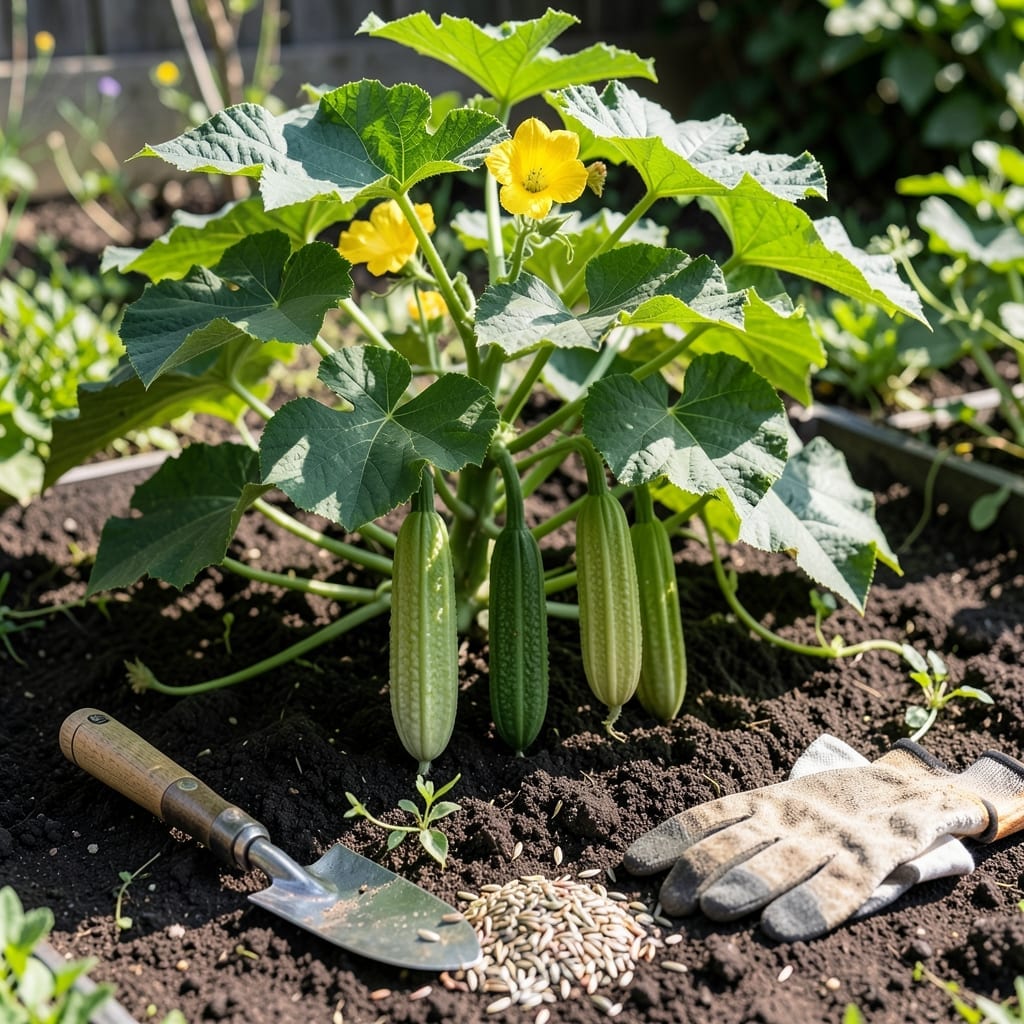
Imagine harvesting your own natural sponges from your garden. With the 🥒 Luffa plant, this unique reward is entirely possible, and I’m here to guide you through the process.
This vine thrives in zone 6 with the right care, transforming your outdoor space into a productive oasis. Whether you’re a beginner or seasoned gardener, you’ll find the steps surprisingly straightforward.
Discover how to create the perfect conditions for these fascinating plants to grow. Let’s turn your gardening dreams into a thriving reality together.

Planting luffa seeds is the first thrilling step toward growing your own natural sponges. I always start by selecting high-quality seeds from a trusted supplier to ensure strong, healthy vines. The best time to begin is 4-6 weeks indoors before the last frost.
Prepare seed-starting trays with well-draining potting mix. Plant seeds about 1 inch deep and keep the soil consistently moist but not soggy. A warm spot, like the top of a fridge, helps speed up germination, which typically takes 7-14 days.
How to Plant Luffa Seeds
Once seedlings emerge, place them under grow lights or near a sunny window. They need 12-16 hours of light daily to grow strong and stocky. Thin seedlings to the strongest one per cell to avoid overcrowding.
Hardening off is crucial before transplanting. I gradually expose seedlings to outdoor conditions over 7-10 days, starting with a few hours of shade. This prevents shock and helps them adjust to their new environment.
When ready to transplant, choose a sunny location with well-draining soil. Luffa vines are heavy feeders, so I always mix in plenty of compost or aged manure to give them a nutrient boost. Space plants 12-18 inches apart on a trellis or fence.
If planting directly in the garden, wait until soil temperatures reach at least 60°F. Sow seeds 1 inch deep and 12 inches apart, then thin to 18 inches once they sprout. Keep the area weed-free to reduce competition.
Water seedlings deeply after transplanting to help them establish. I use a drip irrigation system to keep the soil consistently moist without wetting the leaves, which can lead to disease. Mulching around plants helps retain moisture and suppress weeds.
Luffa vines grow quickly, so provide a sturdy trellis early on. I use a cattle panel arch for mine, which gives the vines plenty of room to climb and makes harvesting easier. Train young vines onto the trellis as they grow.
With proper care, your luffa plants will soon be climbing vigorously. The next step is ensuring they have all the right conditions to thrive, which we’ll cover in the next section. Watching these vines grow is incredibly rewarding!
🌱Creating the ideal environment is key to growing vigorous luffa vines. I’ve found these plants thrive with full sun exposure and consistent moisture. They need at least 6-8 hours of sunlight daily to produce those prized gourds.
The soil quality makes a huge difference. Luffa prefers well-draining, fertile soil with a pH between 6.0-6.8. I always amend my beds with compost before planting to ensure rich nutrients.
| Requirement | Specification |
|---|---|
| Sunlight | 6-8 hours daily |
| Soil Type | Well-draining, fertile |
| Water Needs | 1-2 inches weekly |
| Trellising | Required for vines |
| pH Level | 6.0-6.8 |
Watering consistently is crucial, especially during dry spells. I aim for 1-2 inches per week, either through rainfall or irrigation. A drip system works best to keep foliage dry and prevent disease.
Don’t overlook the need for strong support. Luffa vines can grow 15-20 feet long and become quite heavy. I use a sturdy trellis or cattle panel arch to keep vines off the ground, which improves air circulation.
Temperature matters too. These warm-season plants hate frost. I never transplant until soil temps hit 60°F and all frost danger has passed. In cooler climates, black plastic mulch can help warm the soil faster.
Finally, consider companion planting. I’ve had success growing luffa near corn or sunflowers, which provide natural shade and support. Just ensure they don’t compete for the same nutrients in the soil. 🌱