
Beautiful Plants For Your Interior
Beautiful Plants For Your Interior
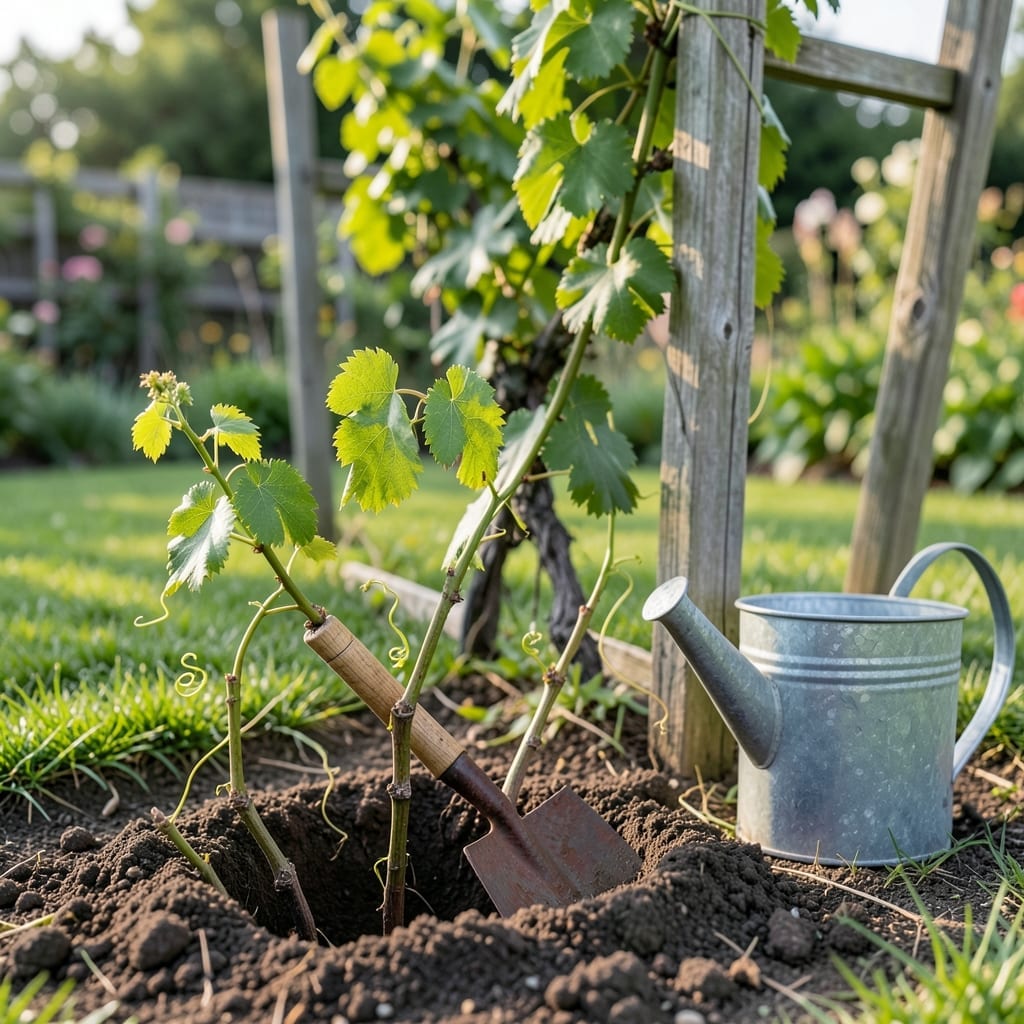
Want to grow your own Grape Vine 🍇 without spending a fortune on new plants? Propagating from cuttings is the answer. It’s surprisingly simple and lets you create exact copies of your favorite vines.
I’ve tested various methods, and what I’m about to share will save you time and frustration. Whether you’re a beginner or have some experience, this approach works reliably in Zone 6.
Let me walk you through the process step by step. You’ll be amazed at how quickly those cuttings can transform into thriving new vines ready for your garden.

Propagating grape vines from cuttings is one of the most rewarding gardening projects you can try. It’s cost-effective and lets you clone your favorite varieties with ease. I’ve found that timing is everything here.
The best time to take cuttings is in late winter or early spring, just before the vines break dormancy. This gives your new plants the entire growing season to establish strong roots. Always choose healthy, disease-free wood that’s about pencil-thick in diameter.
When selecting your cuttings, look for one-year-old wood with a diameter of about 1/4 to 1/2 inch. The wood should be firm and snap when bent, indicating it’s mature enough. Avoid any sections that show signs of disease or damage.
I always recommend using a rooting hormone to give your cuttings the best chance. While it’s not strictly necessary, it can significantly improve your success rate, especially for beginners. The hormone helps stimulate root growth and protects against fungal diseases.
For the planting medium, a mix of 50% perlite and 50% peat moss works wonderfully. This combination provides excellent drainage while retaining enough moisture for root development. Make sure your containers have drainage holes to prevent waterlogging.
Maintain consistent moisture without waterlogging. I check my cuttings daily, misting them if the top inch of soil feels dry. A clear plastic bag over the container can help maintain humidity, but remove it for a few hours each day to prevent mold.
Place your cuttings in a warm location with bright, indirect light. A temperature between 70-75°F is ideal for rooting. Avoid direct sunlight at this stage, as it can be too intense for the developing roots.
You’ll know your cuttings are ready to transplant when you see new leaf growth and can feel resistance when gently tugging on the stem. This usually takes 4-8 weeks, depending on the variety and conditions. Be patient—good things take time!
Once transplanted outdoors, give your new vines a support structure like a trellis or arbor. Remember that grape vines can grow 15-20 feet in a season, so plan your space accordingly. With proper care, your cuttings will establish into productive vines within a year.
🌿
Not all grape varieties root equally well from cuttings. Some take to propagation like champions, while others need more coaxing. I’ve had the best luck with hardy, disease-resistant types that establish quickly.
For beginners, I recommend starting with Concord or Niagara grapes. These classic American varieties are vigorous growers and root reliably from cuttings. They’re also cold-hardy, making them great for Zone 6 gardens.
| Variety | Type | Rooting Ease | Best For |
|---|---|---|---|
| Concord | Table | ⭐⭐⭐⭐⭐ | Cool climates, juice |
| Niagara | Table | ⭐⭐⭐⭐⭐ | White grapes, fresh eating |
| Cabernet Sauvignon | Wine | ⭐⭐⭐⭐ | Warm climates, winemaking |
| Thompson Seedless | Raisin | ⭐⭐⭐⭐ | Dry climates, raisins |
For wine enthusiasts, Cabernet Sauvignon and Merlot cuttings can work well, but they require consistent warmth and humidity. These are better suited for experienced propagators or those in warmer zones.
If you’re in a cold climate, consider Valiant or Frontenac. These cold-hardy varieties can survive temperatures down to -20°F and still produce reliable yields from cuttings.
Remember that disease-resistant varieties like Norton or Catawba often root more successfully. Their natural vigor translates to better root development during propagation.
No matter which variety you choose, always take cuttings from healthy, productive vines. The parent plant’s condition directly affects your propagation success.
🌱