
Beautiful Plants For Your Interior
Beautiful Plants For Your Interior
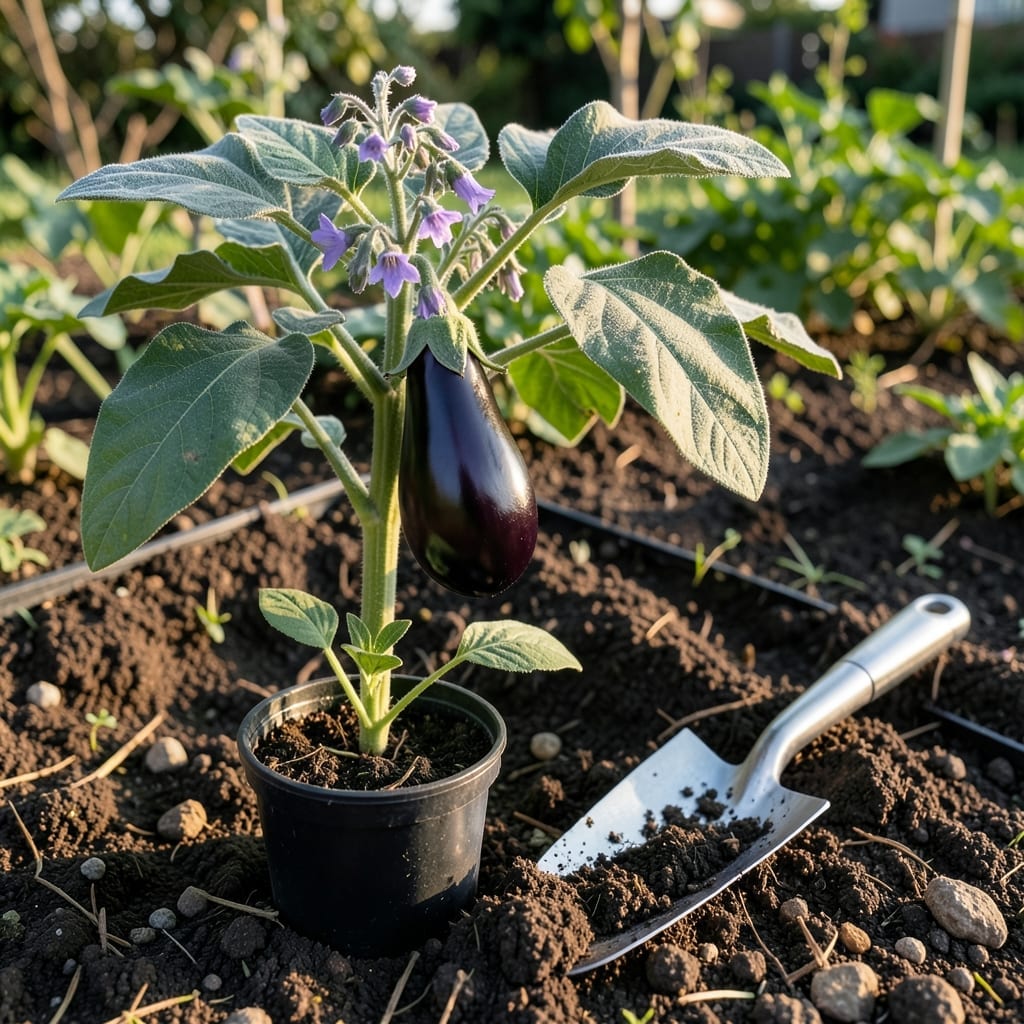
Growing Eggplant 🍆 in your garden delivers glossy, flavorful fruits that store-bought varieties can’t match. There’s something special about plucking your own fresh produce.
With the right approach, you can enjoy a bountiful harvest all season long. I’ll walk you through everything you need to know to get started.
Discover the simple steps to plant and care for Eggplant successfully. Let’s make your gardening journey easier and more rewarding.

Planting eggplant starts with choosing between seeds or seedlings. I recommend starting seeds indoors 8-10 weeks before the last frost for a head start. This gives your plants time to establish strong roots before moving outside.
If you prefer seedlings, look for healthy starter plants with vibrant green leaves and sturdy stems. Transplanting seedlings is often easier for beginners and can lead to a faster harvest.
For soil preparation, I always test my garden bed’s pH first. Eggplants thrive in slightly acidic soil with a pH between 5.5 and 6.5. Amend heavy clay or sandy soil with organic matter to improve drainage and fertility.
When transplanting seedlings, dig a hole slightly larger than the root ball. Gently remove the seedling from its container, loosen the roots, and place it in the hole so the top of the root ball is level with the soil surface.
I’ve found that evening planting helps reduce transplant shock. The cooler temperatures and reduced sunlight give the plants time to settle in before facing the heat of the day.
Watering is critical in the first week after transplanting. I water my eggplants deeply every 2-3 days initially, then adjust based on rainfall and soil moisture. A 2-3 inch layer of mulch helps maintain consistent moisture.
For container gardening, choose a pot that’s at least 5 gallons in size with good drainage. Fill it with a high-quality potting mix and ensure the container receives 6-8 hours of sunlight daily.
Remember that eggplants are heavy feeders. I apply a balanced fertilizer every 3-4 weeks during the growing season to support robust growth and fruit production.
Watch for pests like flea beetles and diseases such as verticillium wilt. Regularly inspect your plants and address any issues promptly to keep your eggplants healthy and productive.
With proper care, your eggplant plants will reward you with a bountiful harvest in about 70-80 days after transplanting. The key is consistency in watering, feeding, and monitoring plant health. ☀️
Choosing the right eggplant variety can make all the difference in your garden’s success. I’ve tested several types and found that each has unique traits suited to different growing conditions and culinary preferences.
From compact bushes to long, slender fruits, there’s an eggplant for every space and taste. Let me share the top performers that consistently deliver excellent results in home gardens.
| Variety | Growth Habit | Flavor Profile | Climate Suitability |
|---|---|---|---|
| Black Beauty | Upright, 2-3 ft tall | Rich, classic eggplant taste | Warm climates, full sun |
| Ichiban | Compact, 18-24 inches | Mild, sweet flavor | Adaptable, containers work well |
| Rosa Bianca | Bushy, 2 ft tall | Creamy, less bitter | Cooler regions, partial sun tolerant |
For gardeners with limited space, I highly recommend Ichiban. Its compact size and adaptability to containers make it perfect for patios or small yards. Plus, it produces long, slender fruits that are versatile in recipes.
Black Beauty remains my go-to for traditional eggplant flavor. It’s a heavy producer with large, glossy fruits that thrive in hot summers. Just ensure it gets plenty of sunlight and consistent water.
If you’re in a cooler climate, Rosa Bianca is a fantastic choice. Its creamy texture and mild flavor are a hit with many gardeners. The plants are also quite drought-tolerant once established.
When selecting seeds or seedlings, always check the mature plant size and days to harvest. This helps you plan your garden layout and expect results. Most varieties take 70-80 days to mature from transplant.
Don’t forget to consider disease resistance. Some modern hybrids are bred to resist common issues like verticillium wilt and flea beetles, which can save you a lot of trouble. 🌱