
Beautiful Plants For Your Interior
Beautiful Plants For Your Interior
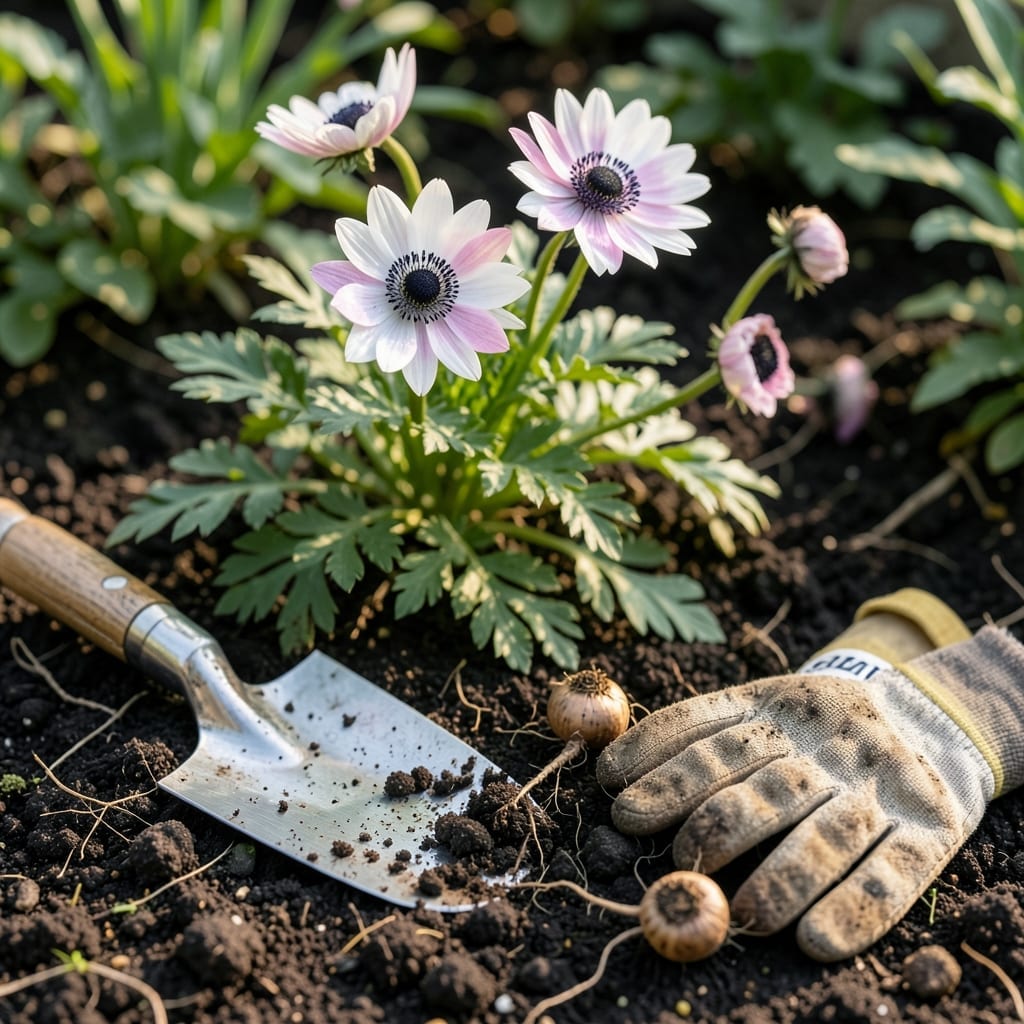
There’s something magical about watching 🌸 Anemone unfurl their delicate petals each spring. These vibrant blooms can transform any garden, but getting them started requires a bit of know-how.
I’ve learned that the key to success lies in proper preparation and timing. Whether you’re planting bulbs or seeds, understanding the right conditions makes all the difference.
Discover the simple yet effective steps to ensure your Anemone thrive from the very first season. Let’s get your garden ready for these stunning flowers.


Planting anemone starts with choosing between bulbs or seeds. I recommend corms for quicker blooms, while seeds require more patience. Both methods thrive with proper timing and soil conditions.
For corms, fall planting works best in USDA zones 4-9. In warmer climates, you can plant in early spring. Seeds need a cold stratification period, so start them indoors 6-8 weeks before the last frost.
If you’re using seeds, scatter them on moist soil and lightly press them in. They need consistent moisture to germinate, which can take 2-3 weeks. Keep the soil temperature around 60-70°F for best results.
Anemones prefer loamy soil enriched with organic matter. I always mix in compost or well-rotted manure before planting to improve soil structure and fertility. This gives the roots a nutrient-rich environment to establish quickly.
For container planting, choose a pot with drainage holes and use a light potting mix. Place the container in a spot with morning sun and afternoon shade. Remember that potted anemones may need more frequent watering than those in the ground.
After planting, monitor the moisture levels closely. Anemones like consistent moisture but can’t tolerate waterlogged soil. I check the soil with my finger – if the top inch feels dry, it’s time to water.
In spring, you’ll see sprouts emerge from the soil. As the plants grow, provide support stakes for taller varieties to prevent them from flopping over. This is especially important in windy areas.
Once established, anemones are relatively low-maintenance. They’ll reward you with vibrant blooms from late summer to fall. Deadhead spent flowers to encourage more blooms and maintain the plant’s energy.☀️
Choosing the right anemone variety makes all the difference in your garden’s success. I’ve found that Anemone coronaria offers vibrant colors and works well in warmer climates, while Anemone blanda thrives in cooler zones with its daisy-like blooms.
Each type has unique bloom times and growing conditions. For example, Japanese anemone blooms in late summer and prefers partial shade, making it perfect for woodland gardens.
| Variety | Bloom Time | Ideal Conditions |
|---|---|---|
| Anemone coronaria | Spring to early summer | Full sun to partial shade |
| Anemone blanda | Early to mid-spring | Partial to full shade |
| Japanese anemone | Late summer to fall | Partial shade, moist soil |
For cut flower gardens, I recommend Anemone coronaria for its long stems and bold colors. It’s also drought-tolerant once established, which is great for busy gardeners.
Anemone blanda is ideal for ground covers or rock gardens. Its low-growing habit and delicate blue flowers create a carpet-like effect that’s simply stunning in spring.
If you’re in a cooler climate, Japanese anemone is a fantastic choice. It thrives in USDA zones 4-8 and adds elegant pink blooms to shady spots where other plants might struggle.
For container gardening, Anemone coronaria works well in deep pots with good drainage. Just ensure it gets enough sunlight and consistent moisture to flourish.🌷