
Beautiful Plants For Your Interior
Beautiful Plants For Your Interior
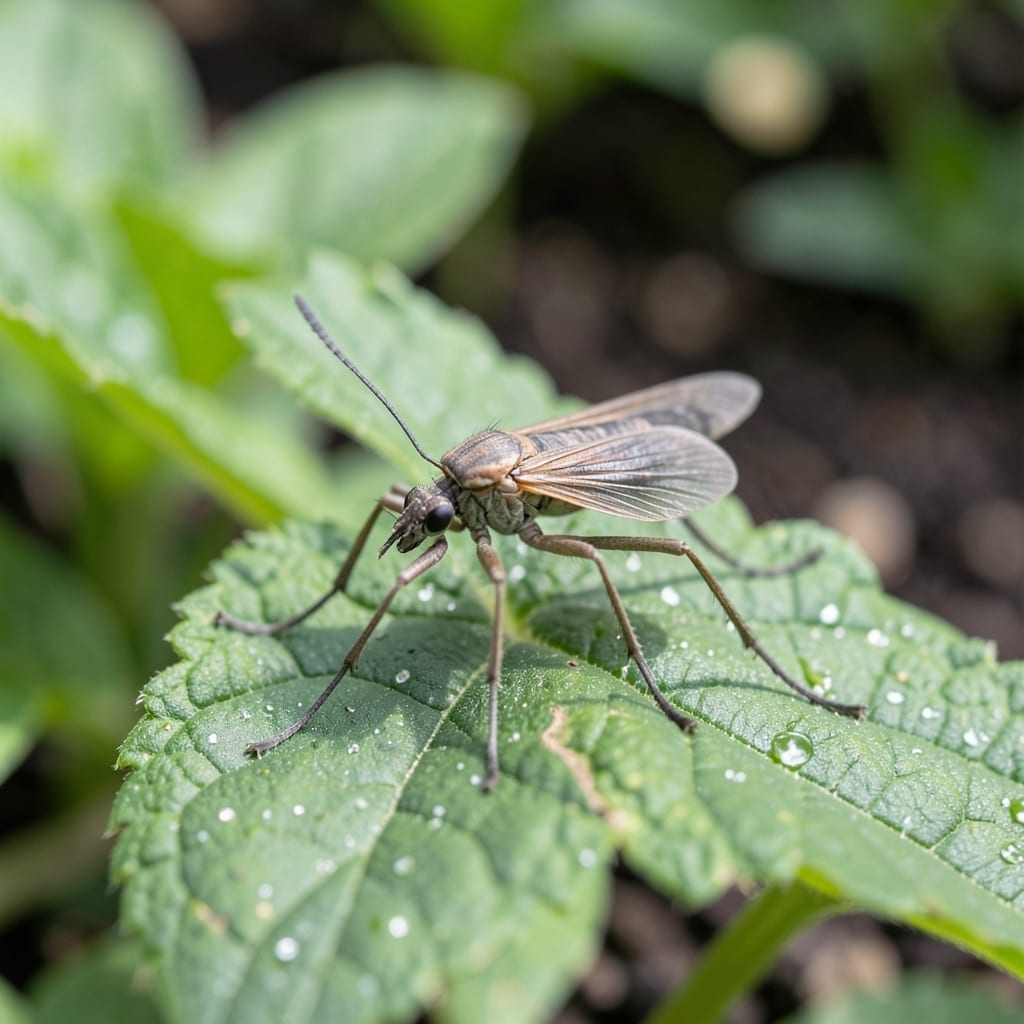
Nothing ruins a peaceful garden faster than a mosquito swarm around your fountain. 🌿 I learned this the hard way after my first summer with standing water—turns out, it’s an open invitation for breeding.
The fix isn’t harsh chemicals. Simple tweaks like adding a small pump for movement or introducing mosquito fish can break their life cycle. Even a daily 5-minute water change disrupts their plans.
Natural repellents work too. Citronella, lavender, or even a few lemon slices in the water create an environment they avoid. The fountain stays beautiful, and you keep the biting at bay.
Best part? These methods are safe for plants, pets, and wildlife. No trade-offs, just a smarter way to enjoy your outdoor space.
Mosquitoes are drawn to fountains for a few key biological and environmental reasons. Understanding these causes can help you address the root of the problem more effectively. Below are the primary factors that make your fountain a mosquito magnet.
Female mosquitoes require stagnant water to lay their eggs, as their larvae and pupae develop in aquatic environments. Even a thin layer of still water in your fountain’s basin or decorative features can become a breeding ground. Mosquitoes can lay up to 200 eggs at a time, and these can hatch within 7–10 days in warm conditions.
Fountains often create microclimates with higher humidity and warmer temperatures, especially in shaded or poorly circulated areas. These conditions accelerate the mosquito life cycle, allowing larvae to mature faster. A fountain that doesn’t circulate water well or has hidden pockets of stillness (like behind rocks or in crevices) is especially vulnerable.
Leaves, algae, and other organic matter that accumulate in fountain water serve as a food source for mosquito larvae. As this debris decomposes, it releases nutrients that sustain larvae until they become adults. Regular cleaning to remove debris can disrupt this food chain and make your fountain less appealing to mosquitoes.
Stagnant or slow-moving water is ideal for mosquitoes, as it reduces the risk of predators (like fish or dragonfly larvae) disturbing their eggs. If your fountain’s pump isn’t running continuously or the water flow is weak, pockets of still water can form, giving mosquitoes the perfect spot to breed undisturbed.
Mosquitoes love stagnant water, but with a few simple fixes, you can reclaim your fountain. Below are targeted solutions for common causes, plus prevention tips to keep your outdoor space bite-free.
Standing water is a mosquito breeding ground. If your fountain’s pump isn’t circulating water properly, upgrade or clean the pump to ensure a steady flow. Even a gentle ripple disrupts their life cycle. For smaller fountains, consider adding a battery-operated aerator to keep water in motion.
Leaves, algae, and dirt create perfect hiding spots for larvae. Scoop out debris weekly and scrub the basin with a mild bleach solution (1 part bleach to 10 parts water) or vinegar to deter eggs. For a natural touch, add a few drops of dish soap—it breaks the water’s surface tension, making it harder for mosquitoes to land.
Plants and oils can repel mosquitoes without chemicals. Place citronella, lavender, or lemongrass in pots around the fountain. For the water itself, add a few drops of cedar or eucalyptus oil—mosquitoes hate the scent. Just reapply after rain or when topping off the fountain.
💡 Pro Tip: Floating cinnamon sticks or garlic cloves in the water can also deter pests naturally.
Encourage nature’s own pest control. Add gambusia fish (mosquito fish) to your fountain—they feast on larvae. If fish aren’t an option, dragonfly nymphs or frogs will also help. Just ensure your fountain is large enough and chlorine-free for them to thrive.
Yes, a pump creates movement that disrupts their breeding cycle. Even a gentle flow prevents larvae from developing. For best results, run it continuously or at least 12 hours daily.
A mild bleach solution (1:10 ratio) can kill larvae, but it may harm plants and wildlife. Natural alternatives like dish soap or cedar oil are safer and just as effective.
Scoop out debris weekly and scrub the basin monthly. More frequent cleaning may be needed in warm weather or if surrounded by trees.
Plants like citronella and lavender help deter adult mosquitoes. For best results, place them close to the water and combine with other methods like water movement.