
Beautiful Plants For Your Interior
Beautiful Plants For Your Interior
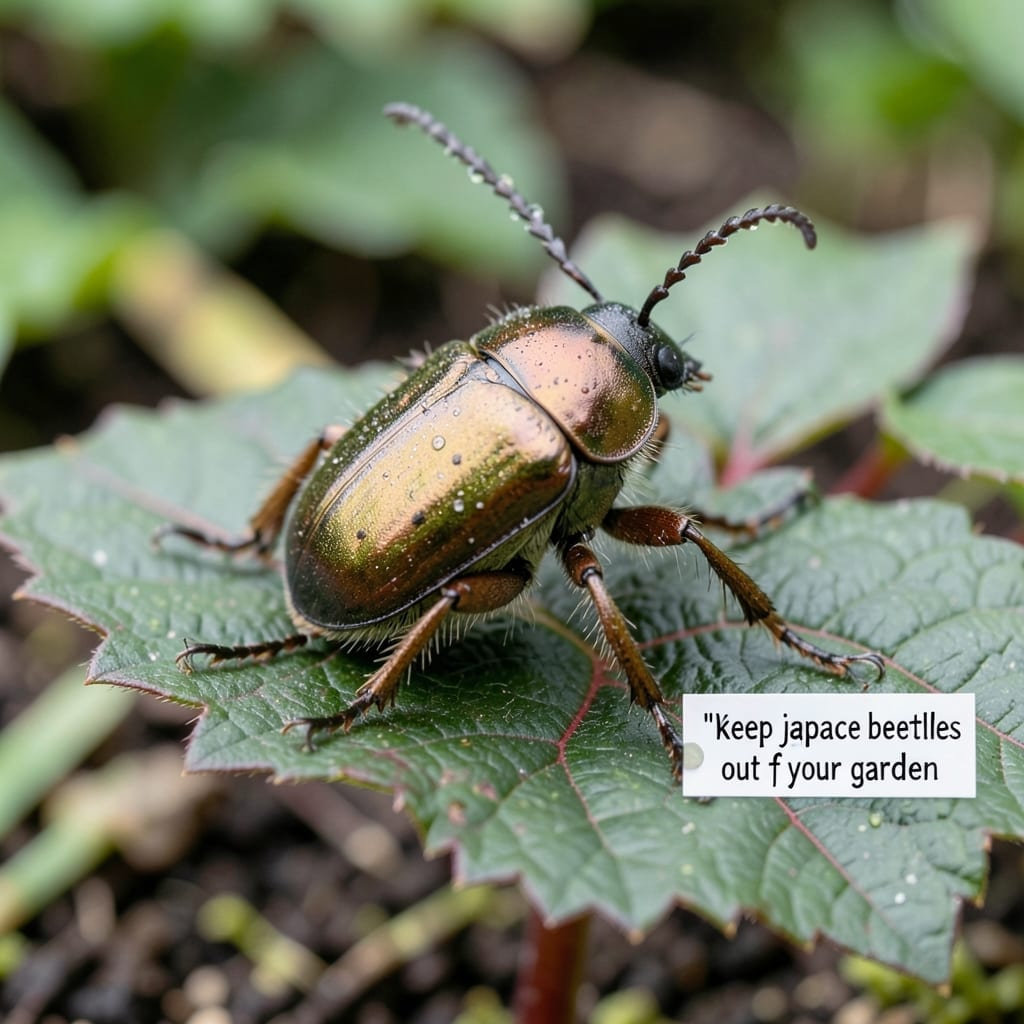
Skeletons of rose leaves and chewed-up grape vines mean one thing. Japanese beetles have arrived, and they’re hungry for your garden’s best plants.
I’ve tried every trick in the book, and the non-toxic barriers work best. Row covers, floating fabric, and early morning hand-picking stop the damage without harming beneficial insects.
You’ll protect your roses, beans, and raspberries while keeping the ecosystem intact. The key is consistency—check plants daily and act fast at the first sign of trouble.
These methods scale for small plots or large landscapes. No chemicals, no guilt, just healthy plants that stay that way all season.
Japanese beetles are drawn to gardens for specific, scientifically driven reasons. Understanding these causes helps you disrupt their patterns and protect your plants. Here’s why they keep coming back:
Japanese beetles are highly attracted to plants that release phenethyl propionate, eugenol, and geraniol—compounds found in over 300 plant species, including roses, grapes, and linden trees. These chemicals signal a food source, triggering their feeding and mating behaviors. Gardens with diverse, fragrant plants essentially roll out the welcome mat.
These beetles thrive in full-sun environments with temperatures between 75–90°F (24–32°C). Open, sunlit gardens provide the perfect habitat for adults to feed and lay eggs. Shaded or cooler areas are far less appealing, making them a natural deterrent.
Female Japanese beetles seek out loamy, well-drained soil to lay their eggs, as it’s easier for grubs to burrow and feed on roots. Overwatered or heavily mulched gardens create ideal conditions for their life cycle to continue uninterrupted.
In their native Japan, natural predators like parasitic wasps and ground-dwelling beetles keep populations in check. In the U.S., these predators are often absent, allowing beetle numbers to skyrocket. Gardens without biodiversity (e.g., monocultures) are especially vulnerable.
Japanese beetles can wreak havoc on your garden, but these targeted solutions will help you reclaim your plants. Address the issue at its root with these cause-and-fix strategies.
If you spot adult beetles munching on leaves, act fast. Early in the morning, when they’re sluggish, handpick them into a bucket of soapy water. For larger infestations, use pheromone traps—but place them far from your garden to avoid luring more beetles in. Prevention tip: Install traps before beetles emerge (late June to early July) to intercept them early. 💡
Japanese beetle grubs (larvae) live in the soil and feed on roots. Combat them with beneficial nematodes (Heterorhabditis bacteriophora), which parasitize and kill grubs naturally. Apply them to moist soil in late summer or early fall. Alternatively, milky spore powder (Bacillus popilliae) infects and kills grubs over time—spread it on lawns and garden beds. Prevention tip: Reapply nematodes annually and milky spore every few years for long-term control. ✨
Protect vulnerable plants with floating row covers or fine mesh netting. Secure the edges to prevent beetles from crawling underneath. For roses, grapes, and other high-value plants, kaolin clay spray (like Surround WP) creates a protective film that deters feeding. Prevention tip: Apply barriers before beetles arrive, and reapply kaolin clay after rain. 🎯
Japanese beetles are drawn to certain plants like roses, grapes, and linden trees. Interplant with repellent species like garlic, chives, catnip, or marigolds to confuse and deter them. You can also remove highly attractive plants or replace them with less appealing varieties. Prevention tip: Rotate crops yearly to disrupt beetle feeding patterns. 🌱
Yes, they’re especially drawn to roses, grapes, and linden trees. These plants release chemicals that attract the beetles for feeding and mating.
Early morning is ideal, as beetles are sluggish and easier to remove. Drop them into soapy water to prevent escape.
It takes 2-3 years to fully establish and reduce grub populations. Apply in late summer for best results.
Yes, but ensure covers are lightweight and allow sunlight/water through. Secure edges to block beetles effectively.