
Beautiful Plants For Your Interior
Beautiful Plants For Your Interior
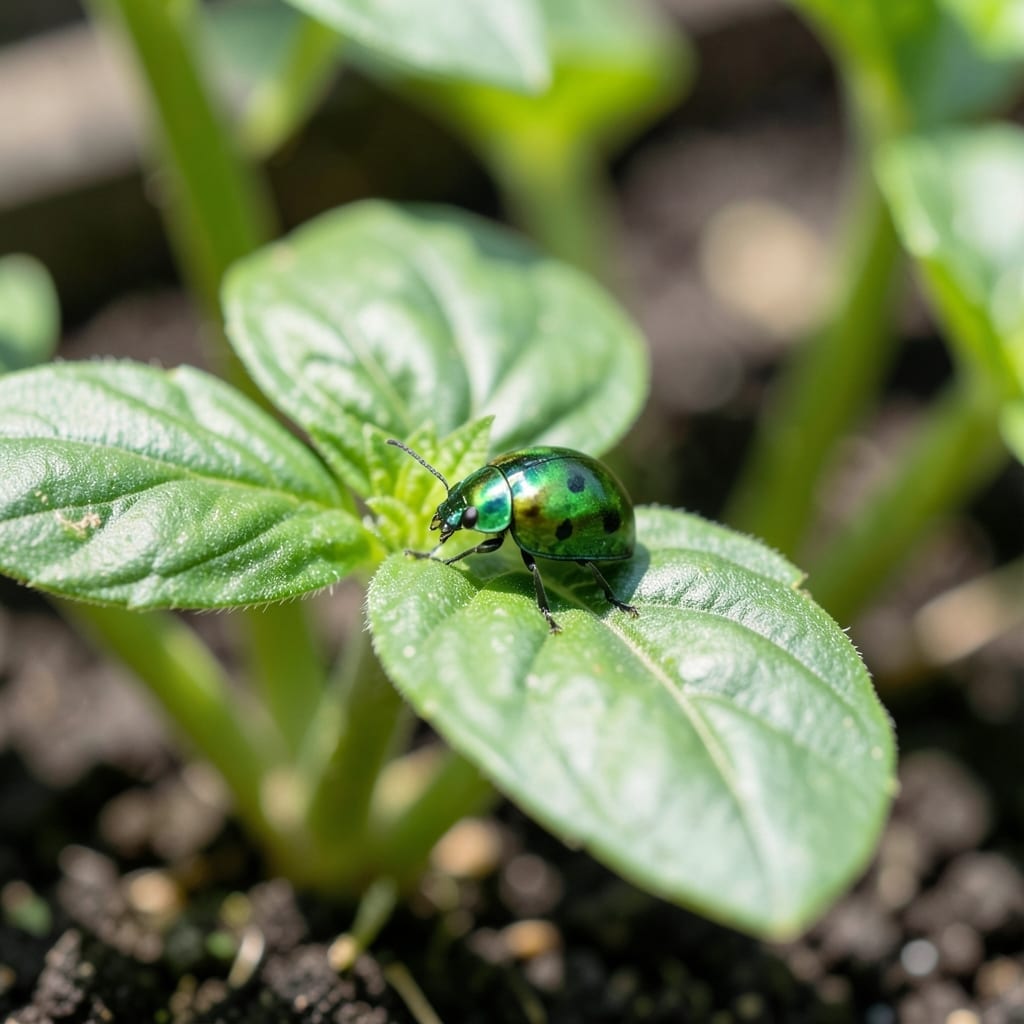
Nothing ruins a basil harvest faster than watching leaves disappear overnight. I lost an entire patch to Japanese beetles one summer before learning these simple defenses.
The solution starts with prevention: companion plants like marigolds and chives naturally repel pests while attracting beneficial insects. A 5-minute daily inspection catches problems before they spread.
DIY sprays made from garlic or neem oil work when pests appear, but proper spacing and air circulation stop most issues before they start. My basil now stays lush and productive all season.
Works for container gardens, raised beds, or in-ground plantings. Here’s how to protect every leaf.
Basil is a magnet for certain insects, and understanding why can help you protect your plants more effectively. Here’s a breakdown of the most common reasons bugs target your basil:
Basil leaves are tender and packed with moisture, making them a prime target for soft-bodied pests like aphids and whiteflies. These insects pierce the leaves to suck out the sap, which is rich in water and nutrients. Overwatering or poor drainage can exacerbate this issue by creating a damp environment that attracts even more pests.
While basil’s fragrant oils repel some insects, they actually attract others, such as Japanese beetles and slugs. The volatile organic compounds (VOCs) released by basil signal a food source to these pests. The stronger the scent, the more likely it is to draw them in from a distance.
Basil under stress—whether from nutrient deficiencies, overcrowding, or poor soil health—produces weaker defenses. Stressed plants emit distress signals that pests can detect, making them easier targets. For example, aphids are more likely to infest basil growing in nitrogen-poor soil, as the plant’s sap becomes less toxic to them.
In a balanced ecosystem, beneficial insects like ladybugs, lacewings, and parasitic wasps keep pest populations in check. However, if your garden lacks biodiversity or you’ve used broad-spectrum pesticides, these natural predators may be absent. Without them, pest populations can explode, leading to widespread damage to your basil.
Dealing with bugs munching on your basil can be frustrating, but these practical solutions will help you reclaim your plants. Below are targeted fixes for common pests, along with prevention tips to keep them from coming back.
Use a strong stream of water to knock aphids off the leaves. For stubborn infestations, mix 1 teaspoon of mild dish soap with 1 quart of water and spray directly on the pests. Repeat every few days until they’re gone.
Prevention tip: 💡 Encourage natural predators like ladybugs by planting marigolds or alyssum nearby.
Spider mites thrive in dry conditions. Mist your basil regularly or place a tray of water near the plant to boost humidity. For immediate action, wipe leaves with a damp cloth or use a neem oil spray (1 tablespoon neem oil + 1 teaspoon dish soap + 1 quart water).
Prevention tip: 💡 Keep plants well-hydrated and avoid over-fertilizing, which can attract mites.
Create a physical barrier with copper tape around pots or sprinkle diatomaceous earth around the base of the plant. These methods deter slugs without chemicals. For a DIY trap, place a shallow dish of beer near the plants—they’ll crawl in and drown.
Prevention tip: 💡 Remove debris and hiding spots (like fallen leaves) where slugs like to nest.
Hang yellow sticky traps near your basil to catch adult whiteflies. For larvae, spray leaves with a soapy water solution (same as for aphids) or introduce predatory insects like parasitic wasps.
Prevention tip: 💡 Inspect new plants before bringing them near your basil to avoid spreading infestations.
For all pests, regularly inspect your basil—especially the undersides of leaves—where bugs often hide. Healthy plants are less vulnerable, so ensure your basil gets full sun, well-draining soil, and consistent watering.
Use a strong water spray to dislodge aphids or whiteflies immediately. For stubborn pests, apply a soapy water mix (1 tsp dish soap per quart of water) directly to leaves.
Yes! Copper tape around pots stops slugs, while diatomaceous earth sprinkled at the base deters crawling insects. Both are chemical-free and effective.
Check basil daily for early signs of pests, especially under leaves where eggs and larvae hide. Catching issues early prevents full infestations.
Marigolds and chives repel pests while attracting beneficial insects like ladybugs. Plant them near basil for natural protection.