
Beautiful Plants For Your Interior
Beautiful Plants For Your Interior
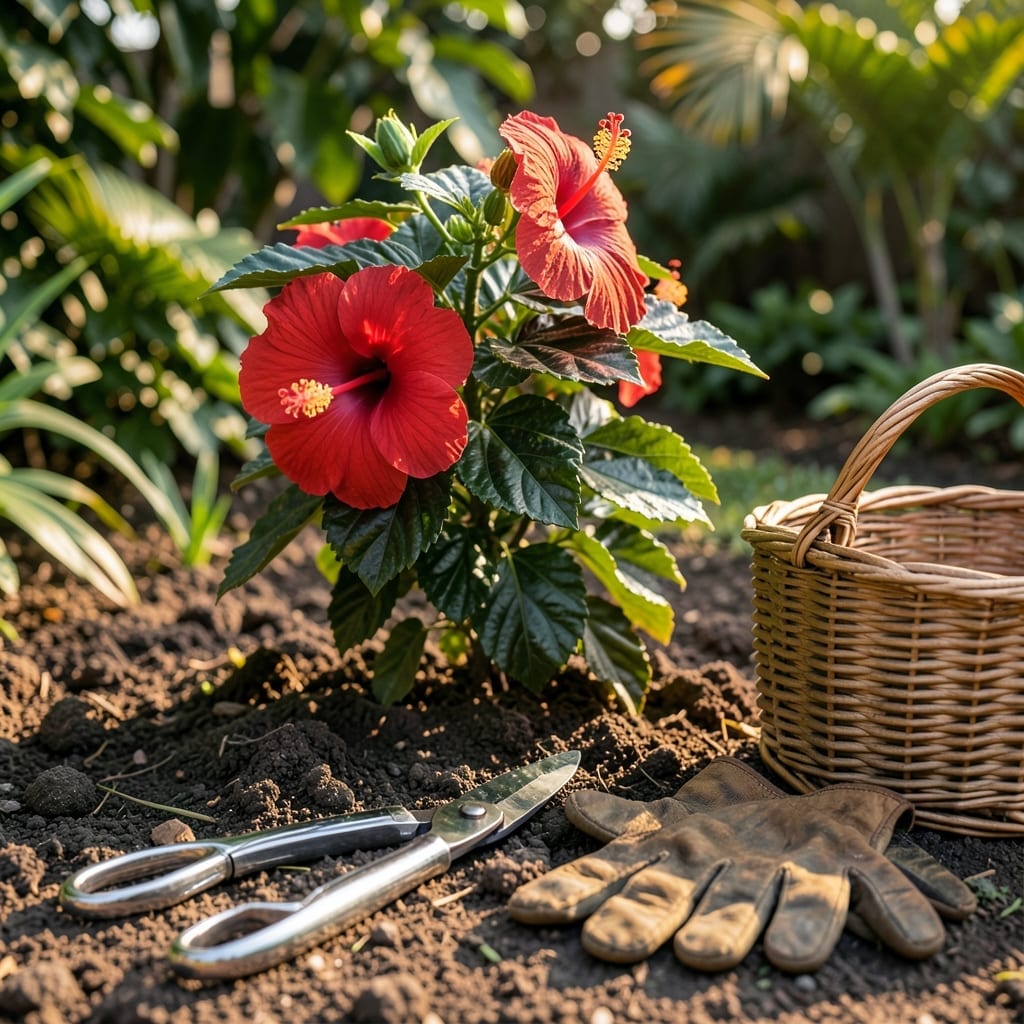
The best time to harvest hibiscus for tea is when the flowers are fully open but still fresh. I’ve found that early morning is ideal, as the blooms are at their peak flavor and aroma.
Using clean, sharp scissors, snip the flowers just below the calyx to avoid damaging the plant. Organic practices ensure the purest flavor, so avoid chemical sprays on your hibiscus.
Once harvested, dry the flowers in a well-ventilated space away from direct sunlight. This preserves their vibrant color and tart, floral notes, which are perfect for tea.
Store the dried flowers in an airtight container, and you’ll have a steady supply of homegrown hibiscus tea for months. The process is simple and rewarding.
Understanding why hibiscus flowers wilt or lose potency during harvest can help you optimize your tea-making process. Here are the key causes:
Hibiscus flowers are highly sensitive to temperature fluctuations and humidity levels. Harvesting during the hottest part of the day (above 90°F/32°C) can cause rapid wilting, as the flowers lose moisture quickly. Conversely, high humidity (above 70%) may promote mold growth if the flowers aren’t dried properly. Action: Harvest in the early morning when temperatures are cooler and humidity is lower.
Picking hibiscus too early (before full bloom) results in underdeveloped calyces, which lack the deep color and tart flavor essential for tea. Waiting too long causes the flowers to overripen, leading to a loss of vibrant pigments (anthocyanins) and a weaker brew. Action: Harvest when the calyces are fully open but still firm, typically 1–2 days after blooming.
The delicate petals and calyces of hibiscus are prone to bruising, which accelerates enzymatic browning and degradation of flavor compounds. Rough handling during picking or transport can also release excess moisture, making drying inefficient. Action: Use sharp, clean scissors or shears to snip the calyces gently, and handle them with care to avoid crushing.
Harvesting hibiscus while wet (from rain or morning dew) introduces excess moisture, which can dilute the natural acids and sugars in the flowers. This also increases the risk of mold during drying. Action: Wait until the flowers are completely dry—ideally after a sunny spell—to ensure optimal flavor concentration.
Even with the best intentions, small mistakes can affect your hibiscus harvest. Here’s how to troubleshoot and prevent common problems to ensure a bountiful, flavorful yield for your tea.
Fix: Harvest in the early morning when the flowers are fully open but still fresh. If wilting occurs, place the blooms in a bowl of cold water for 10–15 minutes to revive them before drying. Prevention tip: 💡 Avoid picking flowers during the hottest part of the day, as heat speeds up wilting.
Fix: If your tea tastes bland or harsh, the flowers may have been harvested too late or dried improperly. Stick to harvesting mature but not overripe blooms, and dry them in a well-ventilated, shaded area to preserve their natural sweetness. Prevention tip: ✨ Pick flowers just after they fully open for the best balance of acidity and sweetness.
Fix: Inspect flowers before harvesting. If you spot aphids or beetles, gently shake the blooms or rinse them with water. For severe infestations, use a natural spray like neem oil before harvesting. Prevention tip: 🎯 Encourage beneficial insects like ladybugs in your garden to keep pests in check naturally.
Fix: Speed up drying by spreading flowers in a single layer on a mesh screen or hanging them in small bunches in a dry, airy space. Avoid direct sunlight, which can bleach the petals. Prevention tip: 🌡️ Use a food dehydrator on the lowest setting (around 95°F) for faster, even drying without losing flavor.
Early morning is ideal, as flowers are fully open and fresh. This timing helps preserve their vibrant color and flavor for tea.
Wilted flowers lose potency and flavor. If they start to wilt, revive them in cold water for 10-15 minutes before drying.
Harvest when calyces are fully open but still firm, typically 1-2 days after blooming. Overripe flowers lose their deep color and tartness.
Spread in a single layer on a mesh screen in a well-ventilated, shaded area. Avoid direct sunlight to prevent bleaching.